A modern bedroom with dark furnishings, a wall-mounted air conditioning unit, and a cat resting on a large bed.

Mini Split Installation in Charleston, SC

Tell us about the job

Takes about a minute. No obligation.

New system or replacementMini-splitCharleston County, SC
Step 1 of 2

What ZIP code is the job in?

Bigger isn't better here

A mini split that's too large for the room cools the air fast and shuts off before it pulls the moisture out. The room feels clammy even though the thermostat says it's satisfied. The right size runs longer, steadier cycles, and that's what actually dries the air and keeps the temperature even.

It's worked out room by room

A contractor sizing a mini split looks at the square footage, how many windows the room has and which way they face, the ceiling height, and what's on the other side of the walls. Each zone gets its own number. A system sized off a guess or a rule of thumb from a different room will run wrong in this one.

5 months
November through March, your system heats
6 months
May through October, it cools
41°F
the average winter night it heats against
89°F
the average summer afternoon it cools against
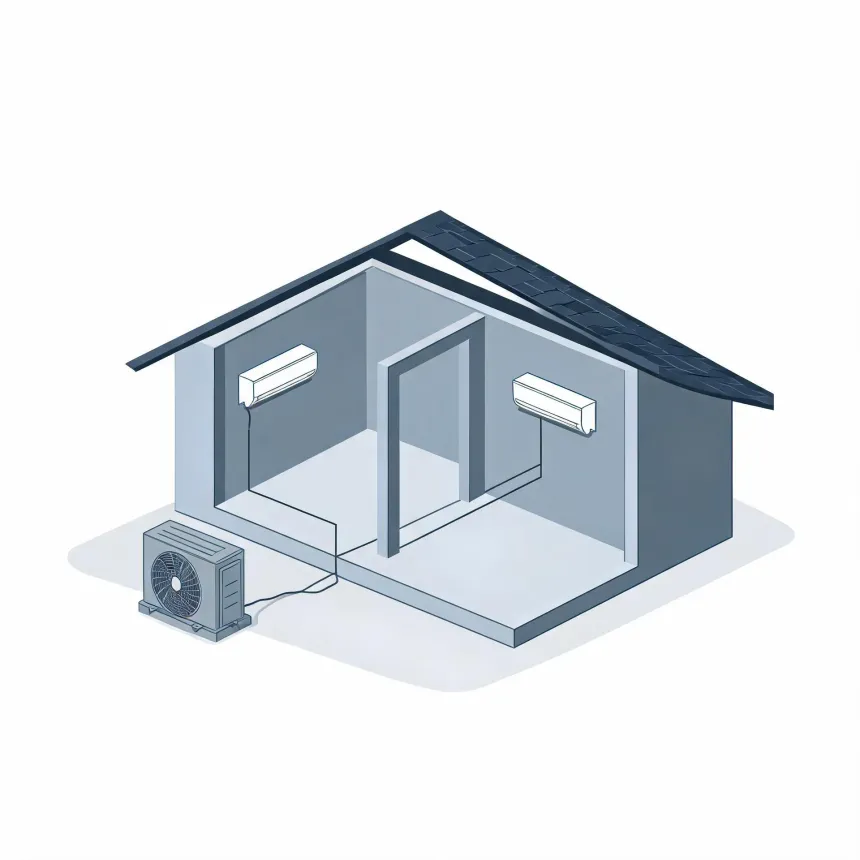
Isometric illustration of a cutaway house showing two wall-mounted indoor air conditioning units connected by lines to a single outdoor condenser unit on the ground outside.
Your system heats November through March and cools May through October.

NOAA nClimDiv, 1991–2020 normals

Electricity in South Carolina runs 14.23 cents per kilowatt-hour.

A mini split that's sized and installed right earns back that rate every time it cycles on.

Most homes here already run on electricity

75.9% of homes heat with electricity
Cooling runs May through October
Summer afternoons average 89°F
Install before MayCooling here runs May through October, six months straight.

Charleston County sits in zone 3A, warm most of the year with winters mild enough to barely notice. Any mini split installed here still has to meet the federal minimum for a split-system heat pump, 14.3 SEER2 for cooling and 7.5 HSPF2 for heating. The standard doesn't carve out a lower bar for ductless systems, so a unit quoted below that line isn't legal to install, no matter how the price looks. A system that clears the minimum is built to hold up through a long stretch of hot, humid weather, which is what this county gets most of the year.

This system earns its keep for six months a year

Six months of cooling a year, with afternoons averaging 89°F through the summer, means this system runs longer and harder than one up north ever would. A mini split sized right for the room handles that load for years. One sized off a guess works harder than it should from day one, and that shows up early here, not late.

Find a contractor
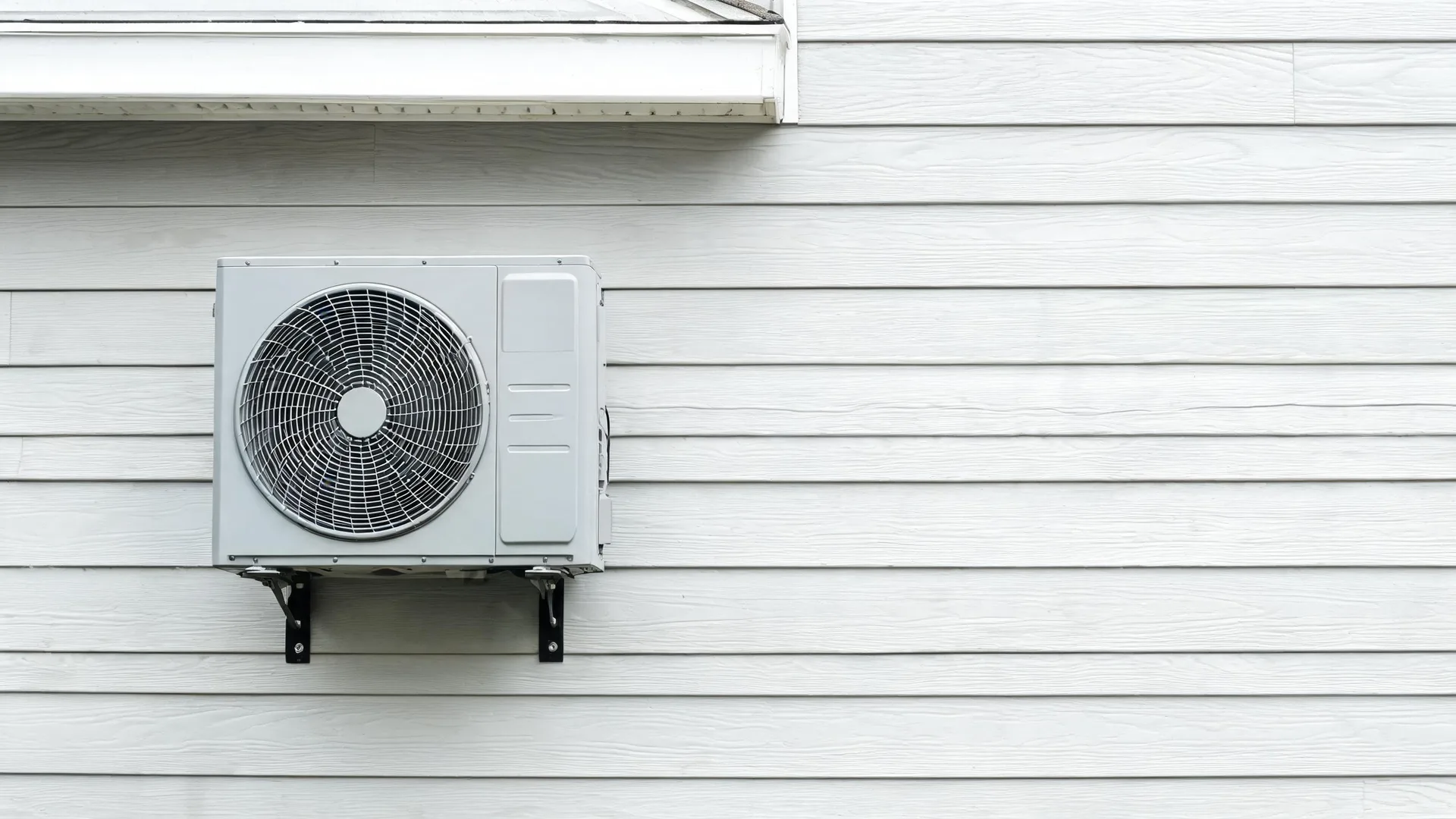
A white outdoor air conditioner condenser unit mounted on metal wall brackets against gray horizontal siding, with a blue sky and white clouds behind it.

The label tells you the ceiling, not what you'll get

The rating on the label is measured once, under set conditions, so it tells you how the system performs at its best. Run it for years on end and the number that matters more is how long the compressor and the outdoor fan hold up to constant cycling. A unit that clears the minimum rating is built with that long run in mind. The rating also only describes the equipment, not the install. A mini split hung with a bad line set connection or the wrong refrigerant charge will never hit the number on its own label, no matter how high that number is.

The number of zones sets the price

A single room needs one indoor head and one outdoor unit. Add zones and you add indoor heads, more line set run, and an outdoor unit built to handle multiple heads at once. Each zone also needs its own path for the line set and drain, so a layout with rooms spread far apart costs more to connect than rooms stacked close together.

What's already there changes the labor

Running a line set through an open attic or crawl space is straightforward. Running one through a finished wall or across a room with no attic access means opening up a path and patching it after. That's work a contractor has to price in before the first unit goes on the wall. Where the outdoor unit can sit matters too. A spot close to the indoor head keeps the line set short. A spot far away means more refrigerant and more line to run.

If the old system runs on ducts, those ducts don't disappear just because the new units are ductless. They get sealed off at the register or left in place for something else to use, and that's worth deciding before install day, not after. A window unit gets pulled out and hauled off, simple as that. An old central condenser gets disconnected by a licensed contractor, since it's still holding refrigerant that can't just be vented into the yard. If the old system shared a disconnect or a breaker with anything else in the house, that gets sorted out too, so the new mini split isn't wired into a circuit built for something it never has to power again.