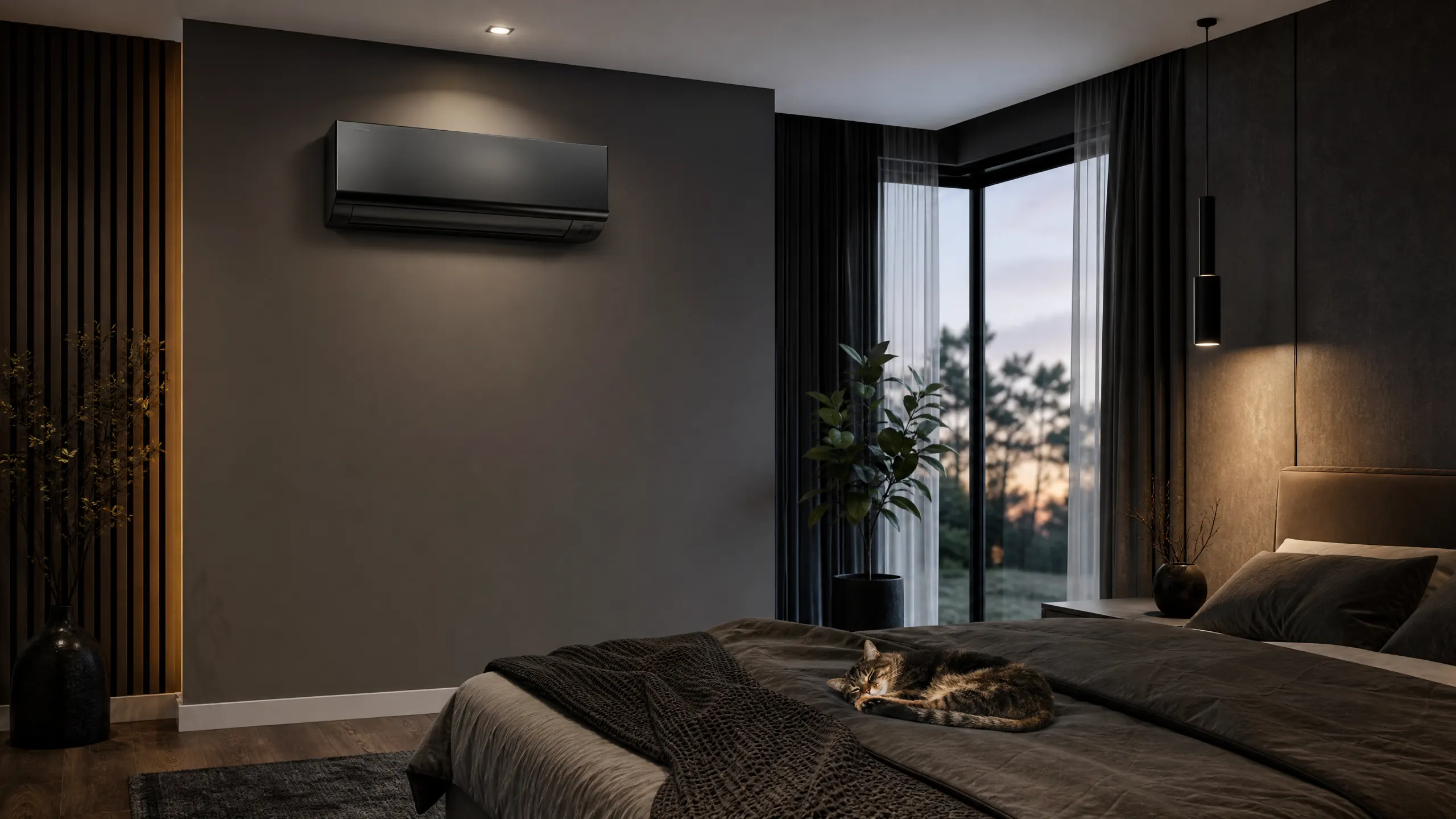




A tabby cat rests on a made bed in a dark modern bedroom equipped with a wall-mounted split air conditioner.

Mini Split Installation in Edgefield, SC

Tell us about the job

Takes about a minute. No obligation.

New system or replacementMini-splitEdgefield County, SC
Step 1 of 2

What ZIP code is the job in?

Electricity in South Carolina ran 14.23 cents per kilowatthour in 2024. A mini split is worth comparing against straight electric heat or an aging system for that reason alone. It moves heat instead of generating it, so it uses less power to do the same job. Run it for cooling through the summer and heat through the winter and that difference shows up on every bill, not just the big ones. Ask about the efficiency rating on any system you're quoted, not just the price to put it in.

5 months
November through March, your system heats
5 months
May through September, it cools
36°F
the average winter night it heats against
91°F
the average summer afternoon it cools against
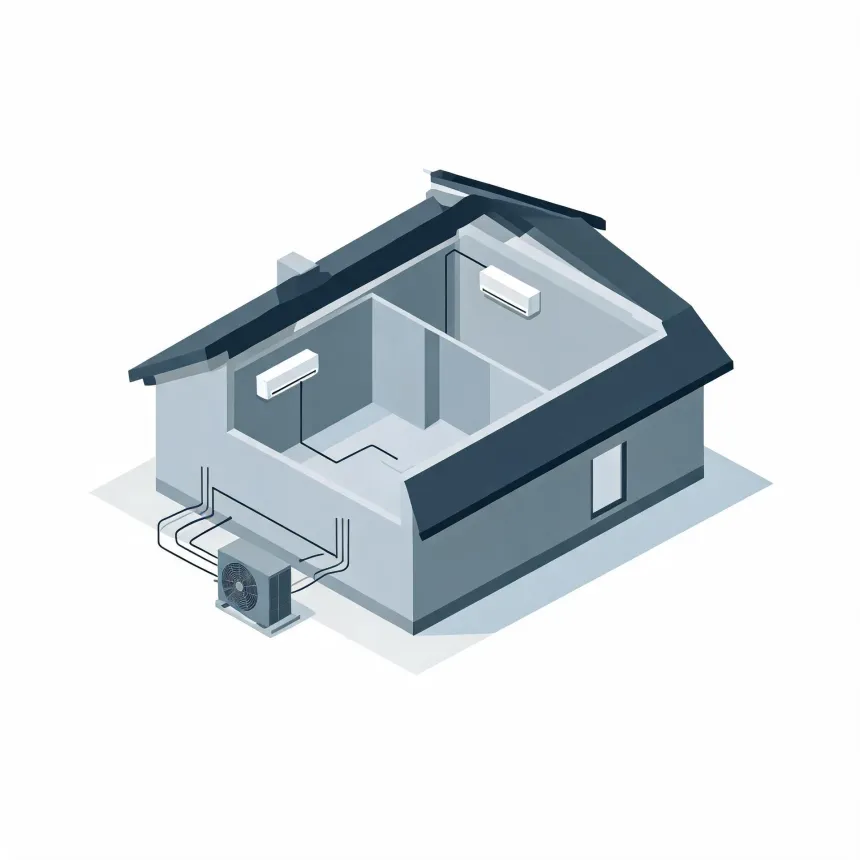
Isometric illustration of a cutaway house showing two wall-mounted indoor air conditioning units connected by line sets to an outdoor condenser unit on the ground outside.
Your system heats November through March and cools May through September.

NOAA nClimDiv, 1991–2020 normals

Edgefield summers push 91°F most afternoons in June, July and August.

A mini split here runs close to five months straight, so it has to be sized for 91-degree afternoons, not a mild climate.

A standard size and efficiency handles Edgefield homes

Half the homes here were built by 1988
Cooling runs May through September
Summer afternoons average 91°F

Cooling here starts in May, so April is the month to get a mini split installed. Do it then and the contractor has time to size the system right and get the line set and mounting done without rushing. Wait too long and you're making that decision after the first hot stretch has already hit, often picking from whatever's in stock instead of what fits the room. The unit will run through September once it starts, so the week it goes in is worth getting right.

Electric heat is the norm here, and a mini split beats it on power used

Electricity heats 73.2% of homes in Edgefield County. Most mini splits here are going in alongside or in place of straight electric heat, not gas, so the comparison that matters is electric to electric. A mini split does that job for less power than baseboard or resistance heat strips because it moves heat rather than making it.

Find a contractor
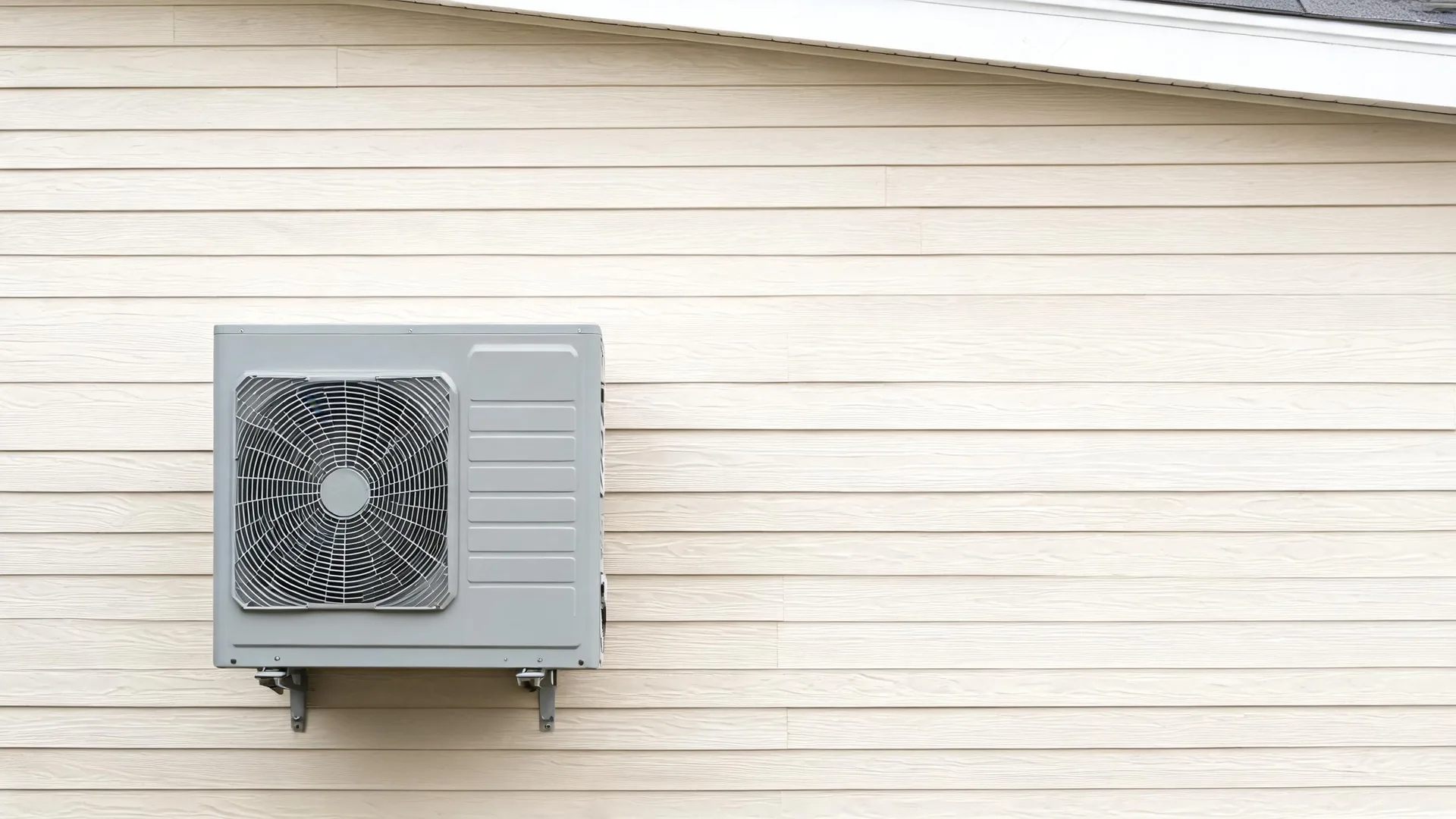
A white mini-split air conditioner outdoor condenser unit mounted on metal brackets against a beige stucco exterior wall, with a blue sky and scattered clouds in the background.

What years of running does to the unit being replaced

The old unit didn't fail from one bad part. It failed from years of starting, running, and stopping, through every summer and maybe every winter too if it handled both heat and cooling. Each start puts a load on the compressor, and each stop lets the whole system sit before doing it again. A unit old enough to need replacing has been through that cycle more times than anyone bothered to count. The compressor usually gives out first, since it does the most work and takes the most strain on each start. Refrigerant lines and electrical connections age too, and a line set sized for the old system doesn't always suit the refrigerant or fittings the new one needs. A contractor pulling the old unit should check whether that line set gets reused or replaced, not just swap new boxes onto each end of it.

How many zones and where the heads go

A mini split can run one indoor head or several off the same outdoor unit, each with its own thermostat. More zones cost more but let you cool a bedroom at night without running the whole house. Ask where each head is proposed to mount and why that wall or that corner, not just how many rooms get covered.
What happens if a part fails later

Ask who stocks parts for the system being quoted and whether the outdoor unit and indoor heads are sold as a matched set or can be mixed with other brands. A system built from matched parts is easier to service years out, since a tech can get the exact board or motor instead of substituting something close.

Sizing starts with a load calculation, a room by room look at window area, insulation, ceiling height and what else is already generating heat in that space. That's what the standard sizing is built on, not a guess. Get it wrong on the low side and the compressor runs constantly trying to catch up, never quite reaching the set temperature on the hottest afternoons. Oversize it instead and the unit cools the air fast, shuts off, then starts again a few minutes later. That short cycling keeps the room cold without pulling the humidity down, so it feels clammy even at the temperature you set. The right size runs longer at a steadier pace, and that's what actually keeps a room comfortable.

Installation starts outside, with the outdoor unit set on a pad or bracket somewhere it can pull in air freely and drain condensate away from the foundation. Indoors, the contractor runs a line set through a small hole drilled in the wall behind where each head will mount, carrying refrigerant lines, a condensate drain and electrical wiring together. Once the heads are mounted and the lines connected, the system gets evacuated with a vacuum pump to pull out moisture and air before any refrigerant moves through it. Skip that step and moisture left in the lines can cause problems with the compressor later. After that the system gets charged, tested on both cooling and heat, and each head gets checked against its thermostat before anyone calls the job done.