





A white Southern-style house with a wraparound porch photographed at night, surrounded by Spanish moss-draped oak trees lit by landscape lights.

Mini Split Installation in Florence, SC

Tell us about the job

Takes about a minute. No obligation.

New system or replacementMini-splitFlorence County, SC
Step 1 of 2

What ZIP code is the job in?

Electricity in South Carolina ran 14.23 cents per kilowatthour in 2024. A mini split is worth looking at against that number, since it moves heat instead of burning fuel to make it, and that makes it cheaper to run than baseboard or window units watt for watt. The efficiency rating on the unit you pick decides how much of that rate you pay back every month, not just this summer but for as long as the system runs. Ask what SEER2 and HSPF2 numbers a contractor is quoting you, and compare them against what you have now.

5 months
November through March, your system heats
5 months
May through September, it cools
36°F
the average winter night it heats against
90°F
the average summer afternoon it cools against
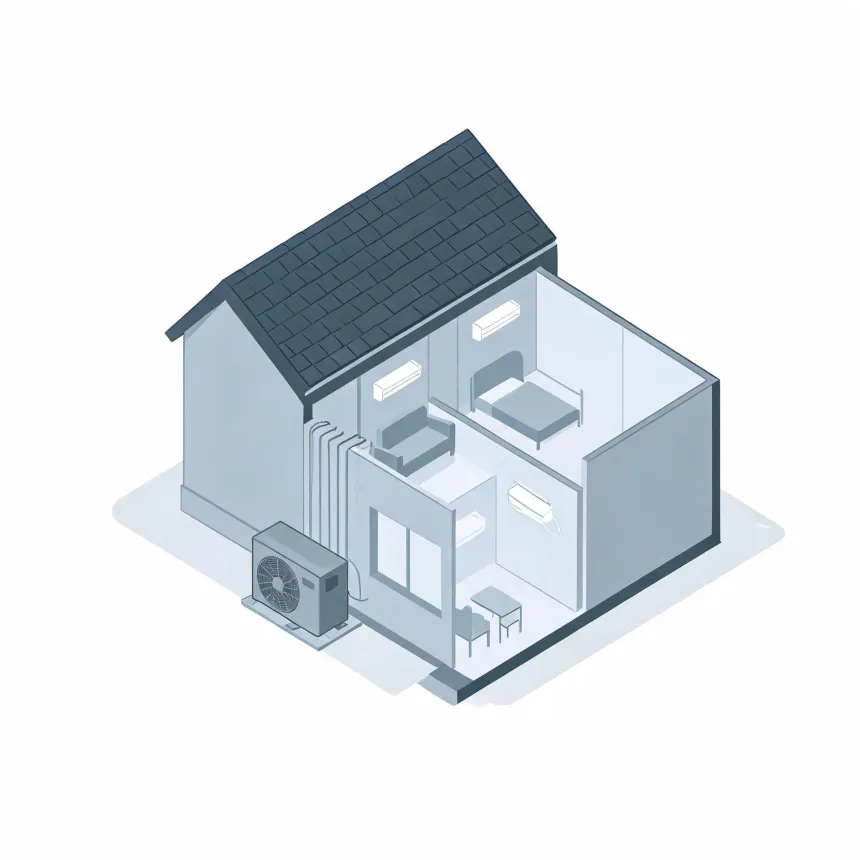
Isometric illustration of a cutaway house with a dark shingled gable roof, showing interior rooms with a bed, chairs and table, three wall-mounted mini-split indoor units connected by line sets to an outdoor condenser unit on a pad outside.
Your system heats November through March and cools May through September.

NOAA nClimDiv, 1991–2020 normals

Electricity heats 83.3% of homes in Florence County.

A mini split runs on electricity already, so there's no fuel line to add or convert.

April is the month to put a mini split in, before May asks it to work

Cooling runs May through September
Summer afternoons average 90°F
97 damaging wind events from 2015 to 2024
What that rate buys youA higher SEER2 or HSPF2 number costs more up front and less every month after.

Cooling runs May through September here, and June through August the afternoon high averages 90°F. That's the stretch your mini split has to earn its keep in, day after day, not just on the hot afternoons but most of the season. A system sized wrong feels it first in July and August, running long and still not catching up, or short-cycling and never pulling the humidity down. Florence County also sees its share of damaging wind, which the outdoor unit has to stand up to on top of the heat. Get the sizing right for your home before anything else.

Efficiency pays here

Power costs more here, so an efficient system pays you back on every bill.

Find a contractor
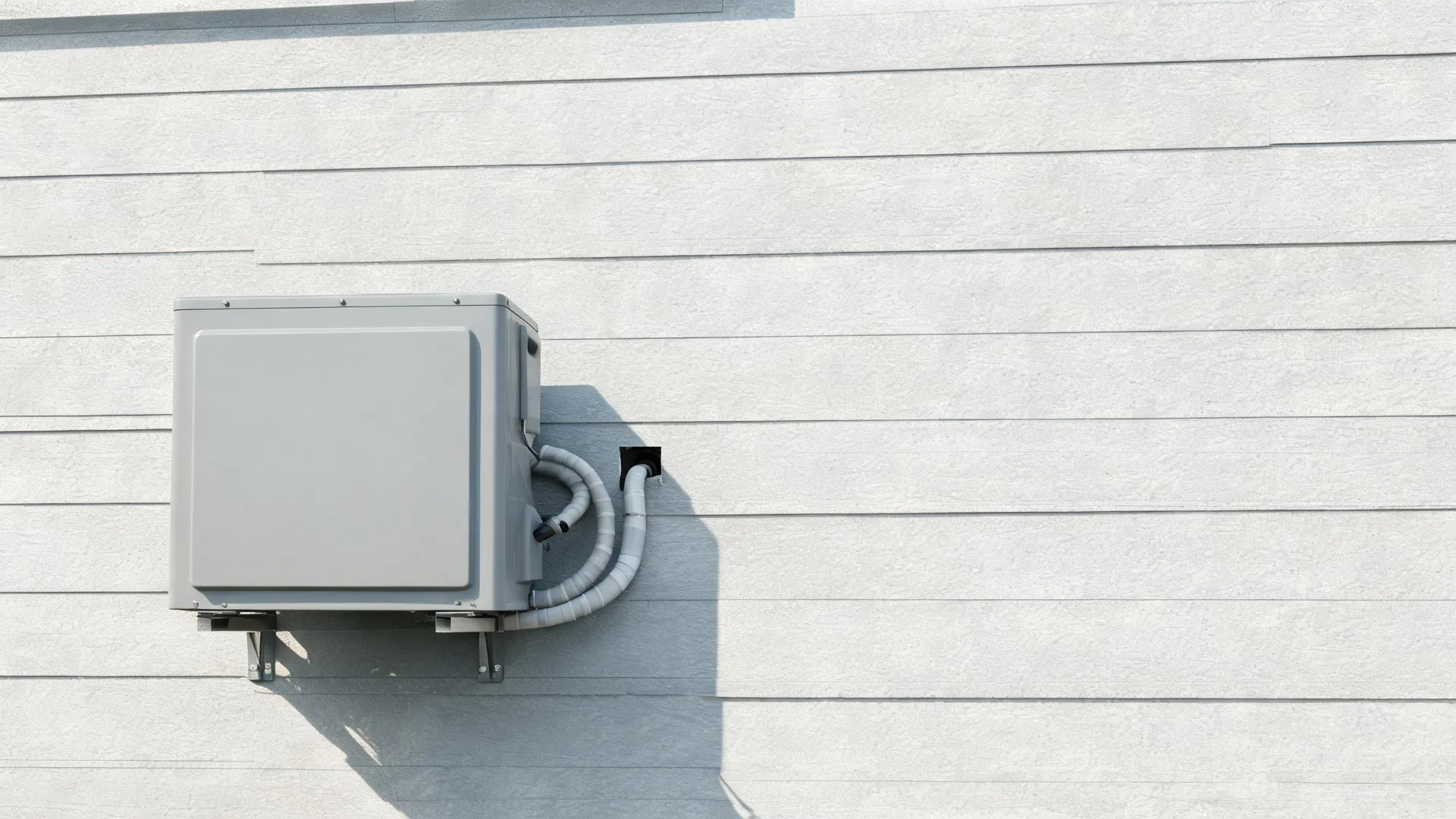
A white outdoor air conditioner condenser unit mounted on metal wall brackets against gray horizontal siding, with a blue sky and white clouds behind it.

Five months of work, every year

Five months of cooling means the unit logs a lot of hours before the season lets up. A load calculation for your home, not a guess based on square footage, is what tells an installer the right size before the first unit goes in. Ask to see the numbers behind it.

The number on the label is tested, not promised

SEER2 and HSPF2 come from a lab test run the same way for every unit, so you can set labels side by side and trust the comparison. What you won't get is that exact figure on your power bill. Ductless runs, how tight the installation is, how you set the thermostat, all of that moves the real result up or down from the rating.
The rating holds for the life of the system, not just year one

A dirty filter, a coil caked with dust, a refrigerant charge that's drifted low. Any one of those pulls a mini split below the number on its label. The rating is what the system can do when it's kept up, not a figure it hits once and keeps on its own.

Ask how many zones the quote covers and why. One outdoor unit can run several indoor heads, each with its own thermostat, so one contractor might size a single zone for the whole place while another splits it into separate rooms. More zones cost more to install but let you cool only the rooms in use. Ask what happens at the coldest and hottest points the system is rated for, since a mini split's heating output drops as the temperature outside does, and a unit that's fine on a mild night can fall short in a real freeze. Ask where the outdoor unit will sit and why that spot, since airflow around it affects how hard it has to work. Ask what's included for line set length and electrical work, since a run longer than standard or a panel that needs more capacity changes the job.

Installation starts outside, with the spot for the outdoor unit. It needs clear air on at least a few sides and some distance from walls and fences so it isn't breathing its own exhaust. Inside, each indoor head goes up high on a wall or ceiling, over a spot with clear airflow into the room, and a small hole gets drilled through the wall for the line set. That line set carries refrigerant lines, a drain line and electrical wiring between the indoor head and the outdoor unit, bundled together and run along the wall or hidden where the wall allows it. Once everything is connected, the line gets evacuated to pull out moisture and air before refrigerant goes in, and the charge gets checked against what the line length calls for. Last comes the test run, checking that every head cools and heats, that the drain line clears condensation, and that the thermostat or remote actually controls what it's supposed to.