An orange cat sleeps on a neatly made bed with dark grey bedding in a minimalist bedroom with wall sconces and a mounted air conditioner.

Mini Split Installation in Greenwood, SC

Tell us about the job

Takes about a minute. No obligation.

New system or replacementMini-splitGreenwood County, SC
Step 1 of 2

What ZIP code is the job in?

Electricity here runs 14.23 cents per kilowatthour

South Carolina households paid that rate in 2024. A mini split that moves heat instead of generating it costs less to run than one that doesn't, and at this rate the gap shows up on the bill every month, not just in summer.

Efficiency is the number to compare

When you're looking at mini splits for Greenwood, the efficiency rating matters as much as the price tag on the unit. Two systems that cost the same to install can cost very different amounts to run at this electric rate.

5 months
November through March, your system heats
5 months
May through September, it cools
35°F
the average winter night it heats against
90°F
the average summer afternoon it cools against
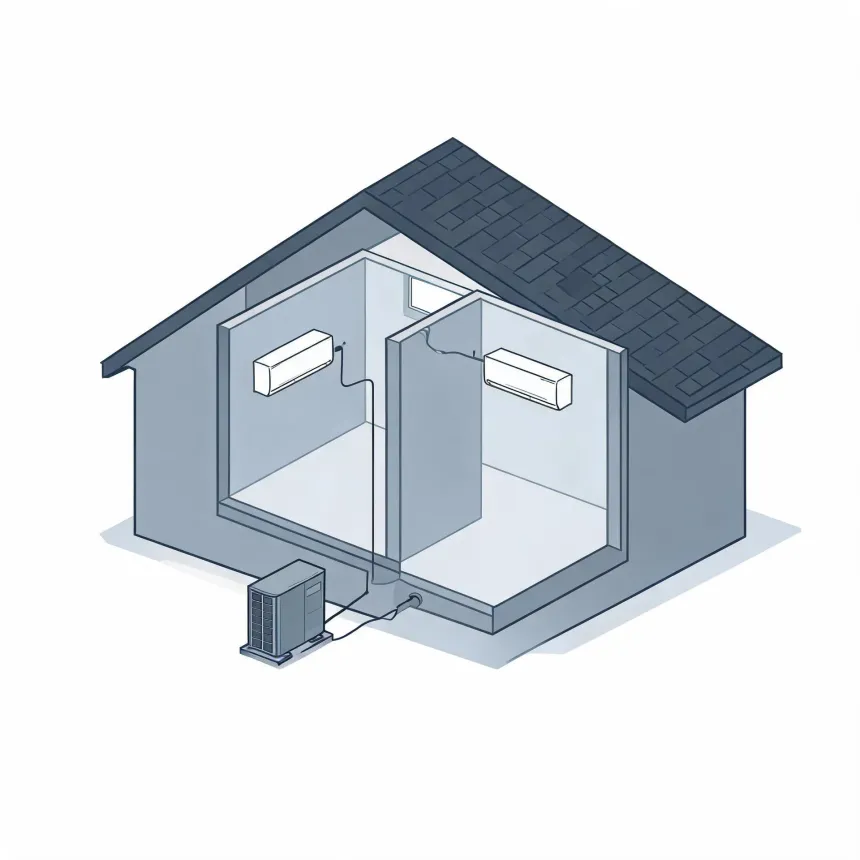
Isometric line illustration of a cutaway house with two rooms, each with a wall-mounted indoor air conditioning unit connected by lines to an outdoor condenser unit on the ground outside.
Your system heats November through March and cools May through September.

NOAA nClimDiv, 1991–2020 normals

Cooling runs May through September here, five months straight.

Get the mini split installed in April and it's already running before the first hot day.

Greenwood sees its share of severe weather, which matters for where the outdoor unit goes

69 severe weather events from 2015 to 2024
45% of homes statewide lost power a day or more in 2024
53 damaging wind events from 2015 to 2024

Electricity already heats most homes in Greenwood County, close to seven in ten. A mini split fits right into that pattern since it runs on electricity too, no gas line to add or plan around. Gas heat is far less common here, just under a third of homes, and bottled or LP gas barely registers. For most homeowners in Greenwood, a mini split means replacing one electric system with another, not switching fuels. That's one less decision to make before the install even starts.

Any system you install here has to meet that standard. The credit helps you go beyond it.

Greenwood falls in climate zone 3A, and any mini split installed here, ductless or not, has to clear 14.3 SEER2 and 7.5 HSPF2 under the federal standard. That floor is already set. The question for your install is what to put in above it, and a federal tax credit is on the table to help make that case.

Find a contractor
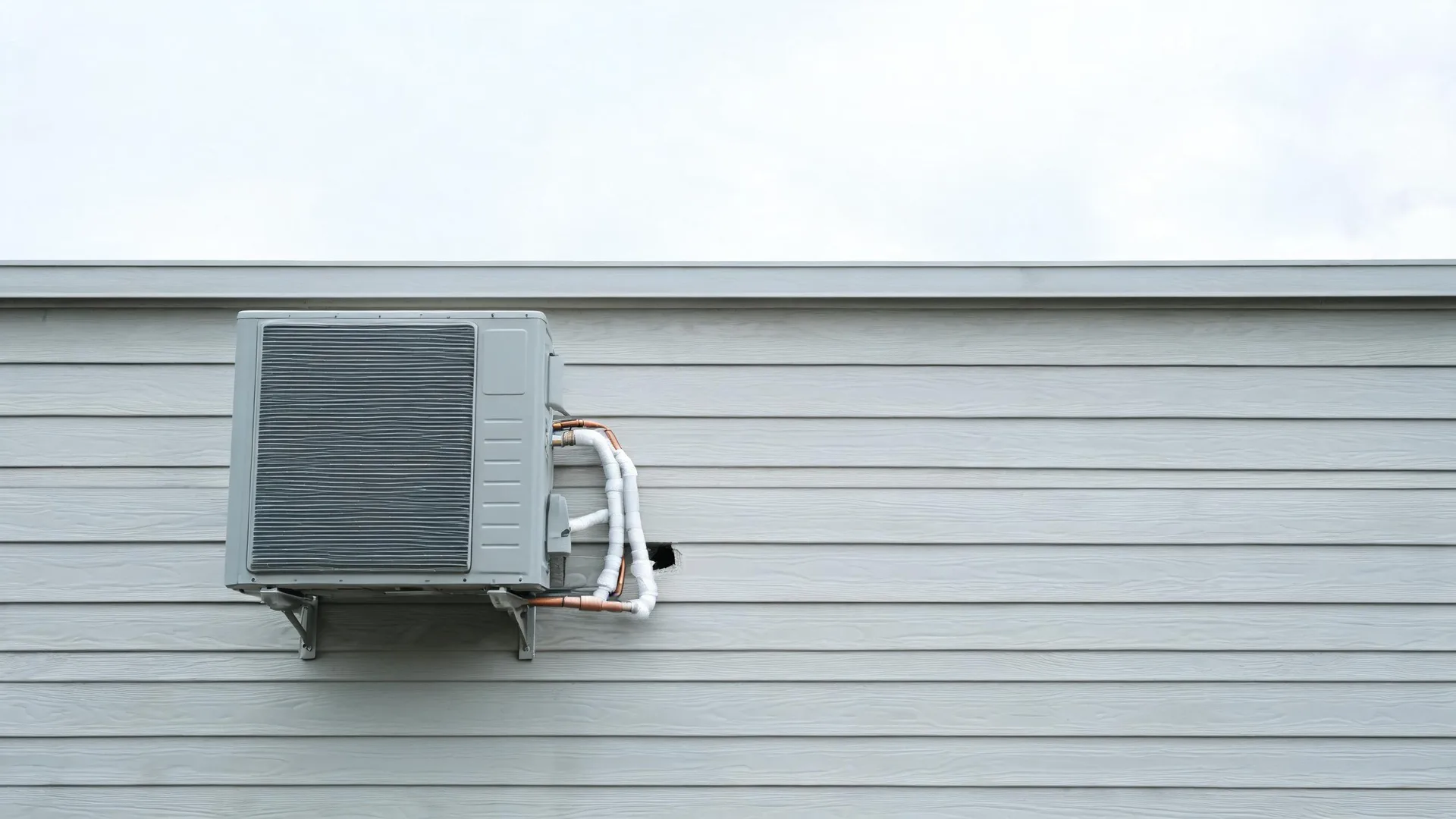
A white mini-split air conditioner outdoor condenser unit mounted on metal brackets against a beige stucco exterior wall, with a blue sky and scattered clouds in the background.

A mini split here runs on an ordinary duty cycle

Half the homes in Greenwood County were built in 1977 or earlier, half in 1977 or later. That mix doesn't point a mini split toward bigger or smaller. What matters is the room it's heating and cooling, not the age of the house around it. A correctly sized system here runs the way it would anywhere in zone 3A. Long steady stretches in summer. Shorter bursts in winter. Nothing about Greenwood pushes the sizing up or down from that.

SEER2 and HSPF2 measure different jobs

SEER2 tells you how much cooling a mini split gets out of the electricity it uses. HSPF2 does the same for heat. A unit can rate well on one and only average on the other, so check both numbers on the label, not just whichever one catches your eye.

The rating is an average, not a guarantee

A mini split's rating comes from testing across mild days and demanding ones, then averaging the result. The system will not hold that exact number every hour it runs. What the rating tells you is how it performs over the long run, which is what actually shows up on a power bill.

The install price covers more than the unit hanging on the wall. Each indoor head needs a line set run to the outdoor unit, carrying refrigerant lines, a condensate drain and electrical wiring, and the distance and path that line set takes changes how much work goes into the job. A straight shot through one wall costs less labor than a run up through an attic or along an exterior wall that needs to be opened and patched. The number of indoor heads matters too, since a multi-zone system means more line sets, more mounting work and more time balancing refrigerant charge across zones. Where the outdoor unit sits counts as well. A pad close to the wall is a simpler job than a mount that has to clear setbacks or get lifted above snow and debris. None of this shows up on the spec sheet, but it's most of what a contractor is pricing when they walk the site.

Installation starts with a walkthrough, not a drill. The contractor looks at where the line set will run, where the condensate drain can fall away to somewhere water can go, and where the outdoor unit can sit with enough clearance to pull air through the coil. Once that's settled, mounting the indoor head is quick work. The line set is where the day goes. A hole gets drilled through the wall, the lines get run and insulated, and every joint gets flared and connected by hand, not glued the way duct connections are. Then the line gets pulled down to a vacuum to clear out moisture and air before refrigerant ever enters it. Skip that step and the system can still run on day one and fail early anyway. The last part is commissioning, where the contractor checks refrigerant charge, confirms the head is level, and runs the system through a full cycle before calling the job done.