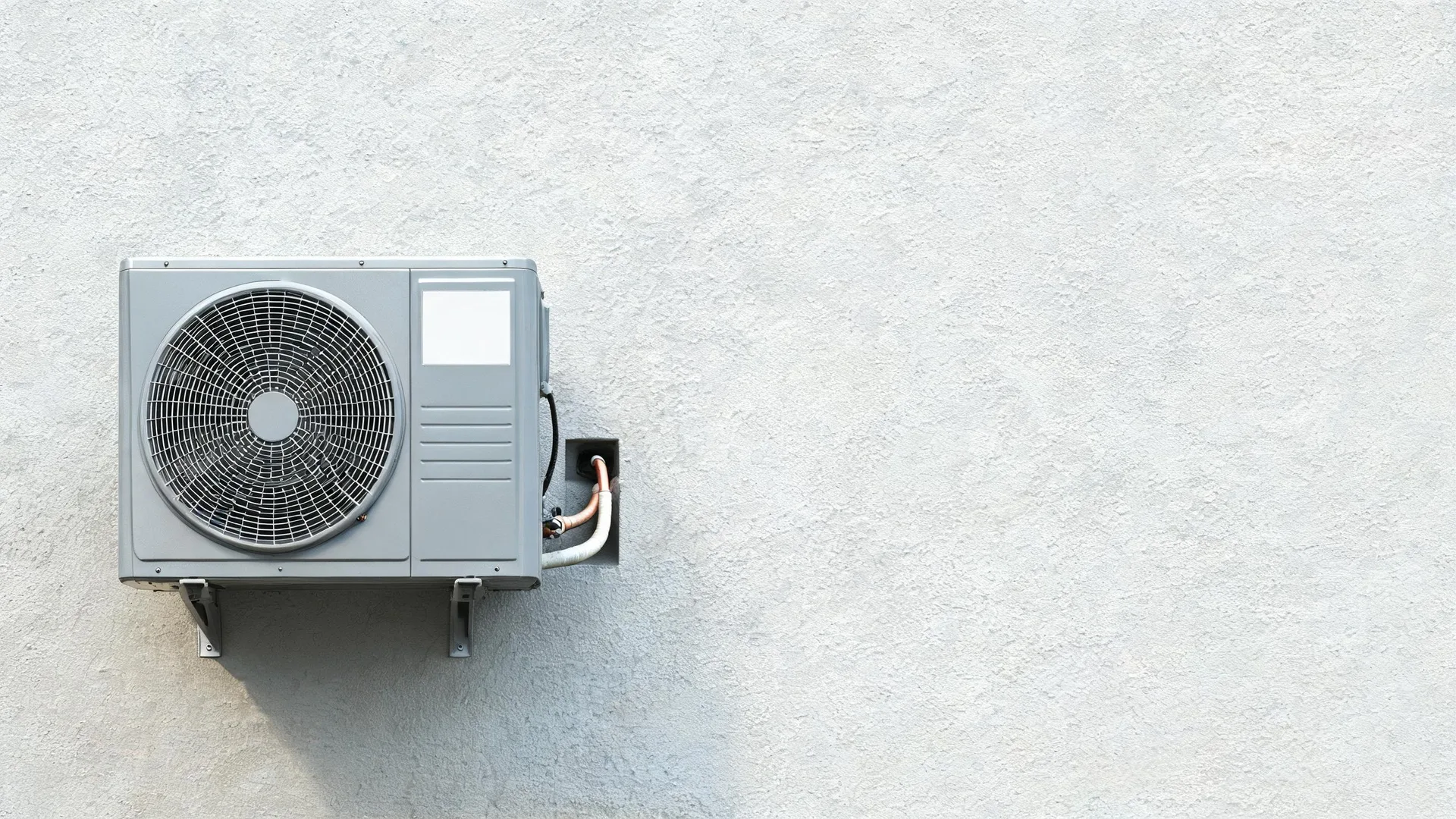
Electricity here runs 14.23 cents per kilowatthour
South Carolina's power costs are a real number you can check against your own bill. A mini split with a low SEER2 rating will show that cost every month it runs, in summer and winter both.

Takes about a minute. No obligation.
South Carolina's power costs are a real number you can check against your own bill. A mini split with a low SEER2 rating will show that cost every month it runs, in summer and winter both.
A mini split sized right for the rooms it heats and cools uses less power to do the job. Get that wrong, with a unit too big or too small or lines run poorly, and it works harder than it should on every bill that follows.
NOAA nClimDiv, 1991–2020 normals
Electricity heats 89.6% of homes in Clarendon County.
A mini split runs on electricity already, so it fits the panel and wiring most houses here already have.



Ask the contractor for the SEER2 rating before you sign anything, and ask what size unit they're putting in and why. That number and that sizing are what you're actually buying. A contractor who has walked the rooms and measured them can tell you why a certain size fits. One who quotes a price over the phone without seeing the space is guessing, and at 14.23 cents a kilowatt hour, a guess that runs too big or too small shows up on your bill for as long as you own the system.
Cooling runs May through September here. April is the month to get this done, while there's time to size the unit right and get the lines run properly. Once the heat sets in, you're running whatever got installed.
Find a contractor
Half the homes in Clarendon County were built in 1990 or earlier, half later. Age alone doesn't change what size mini split a room needs. More than a third of the housing stock here is mobile homes, and that's worth telling the contractor up front, since the unit and line set go in differently than they would on a stick-built house. None of that calls for a bigger system or a higher SEER2 rating than you'd use anywhere else. It calls for someone who sizes the room correctly and runs the lines to fit the house you actually have.
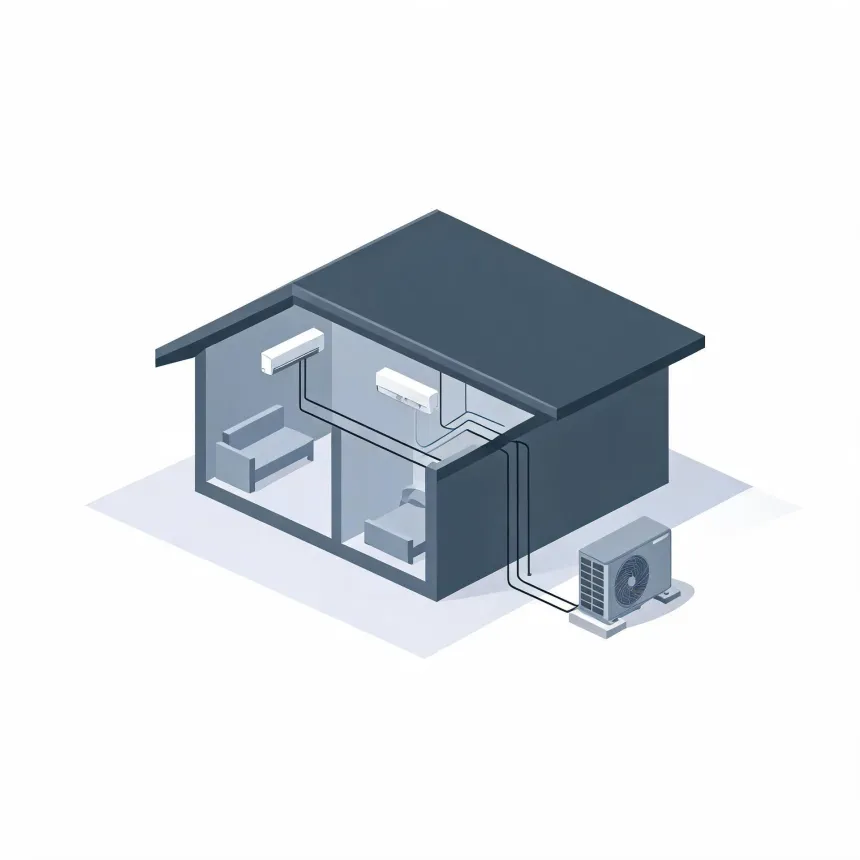
A mini split system can run one indoor head or several off the same outdoor unit, and each head answers for the room it's in. Ask which rooms get their own head and which ones share airflow from a hallway or open doorway. A bedroom with its own head holds temperature on its own. A room sharing air from the next room over will always lag behind it.
Indoor heads and the outdoor unit are matched by the manufacturer to work together. Ask whether the system uses a single matched pair or a multi-zone outdoor unit tied to several heads. If one indoor head fails years from now, a single-zone setup is a simpler swap than a multi-zone one, where the whole system may need to be compatible with whatever replaces it.
SEER2 is the efficiency rating on the label, and it tells you how much cooling or heat the system delivers for the power it draws over a season of use, not just at one moment. A higher rating means the compressor works less to hold the same temperature. That rating is tested and fixed by the manufacturer, so the number itself won't change based on who installs the unit. But a system can run below its rated efficiency for as long as you own it if it's sized wrong for the room or the line set is installed poorly. A unit with a strong rating still depends on a clean install to earn it, because the rating describes the equipment, not the lines running to it or the charge inside them. Ask for the rating before comparing prices between contractors, since a cheaper quote can mean a lower rated unit, and that keeps showing up on the bill for as long as the system runs.
Installation day starts with the outdoor unit placement and the line set path, not the equipment itself. The outdoor unit needs clearance on all sides to pull in air and exhaust it, so it goes on a pad or bracket away from walls and gutters. Inside, the mounting plate for each head goes high on the wall, away from doorways and direct sun, where air can move across the whole room. The line set runs through a single hole drilled from the indoor unit to the outdoor one, carrying refrigerant lines, a drain line and electrical wiring together. Once the lines are connected, the system gets evacuated with a vacuum pump to pull out moisture and air before any refrigerant moves through it. Skip that step or rush it, and moisture left in the lines can damage the compressor long after the crew has packed up.