Single-story houses with a covered porch and a brick building behind a trimmed hedge and lawn, under large oak trees draped with Spanish moss.

Mini Split Installation in Walterboro, SC

Tell us about the job

Takes about a minute. No obligation.

New system or replacementMini-splitColleton County, SC
Step 1 of 2

What ZIP code is the job in?

Wind and storms are the real risk

Colleton County logged 561 damaging wind events over the past decade, plus 14 tornadoes and 18 tropical storms or hurricanes. A mini split's outdoor unit sits exposed to all of it, so where it mounts and what's around it matters more here than in a calmer county.

Plan for the power to go out

Nearly half of South Carolina households lost power for a day or more in 2024. A mini split needs electricity to run, heat or cool, so if that risk concerns you, ask about backup power before you're relying on the system.

5 months
November through March, your system heats
6 months
May through October, it cools
38°F
the average winter night it heats against
90°F
the average summer afternoon it cools against
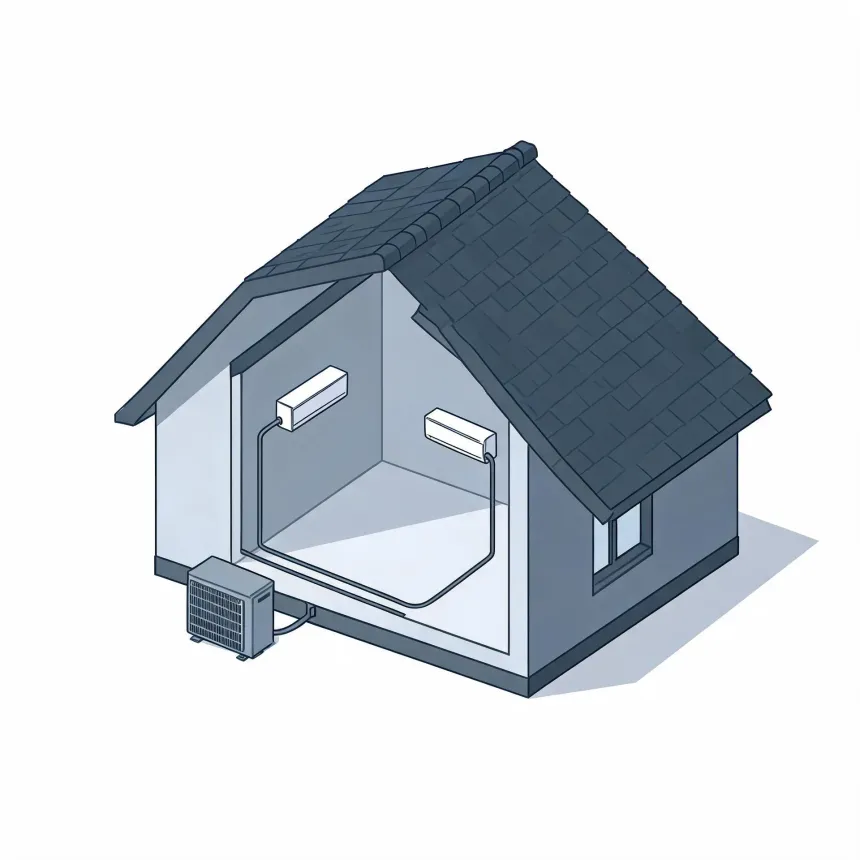
Isometric cutaway illustration of a small house with a shingled gable roof, showing two wall-mounted indoor air conditioning units connected by refrigerant lines to an outdoor condenser unit on the ground outside.
Your system heats November through March and cools May through October.

NOAA nClimDiv, 1991–2020 normals

Cooling runs May through October here.

Get a mini split in before April ends and it's ready the first hot day instead of catching up after one.

A standard mini split, sized and installed right, is all this county needs

Half the homes here were built by 1987
Cooling runs May through October
Summer afternoons average 90°F
Power here costs more than most places paySouth Carolina homes paid 14.23 cents per kilowatthour in 2024, so an efficient system is worth more on every bill.

Electricity heats 78.8% of homes in Colleton County, more than gas and propane combined. A mini split fits that setup without any changes to how your home gets its power. It runs on electricity alone, same as the baseboard heat or central air it's likely replacing. Propane still heats 10.4% of homes here, and if that's your situation, a mini split can work alongside it or take over the job entirely. Either way, you're not fighting the grain of how this county is already built.

This county asks more of a mini split than most places do

Six months of cooling a year, with afternoons averaging 90°F through June, July and August, keeps a mini split running longer than it would almost anywhere else. That's not a reason to size up, it's a reason to size right. Get the sizing wrong either way and the unit pays for it every summer from here on.

Find a contractor
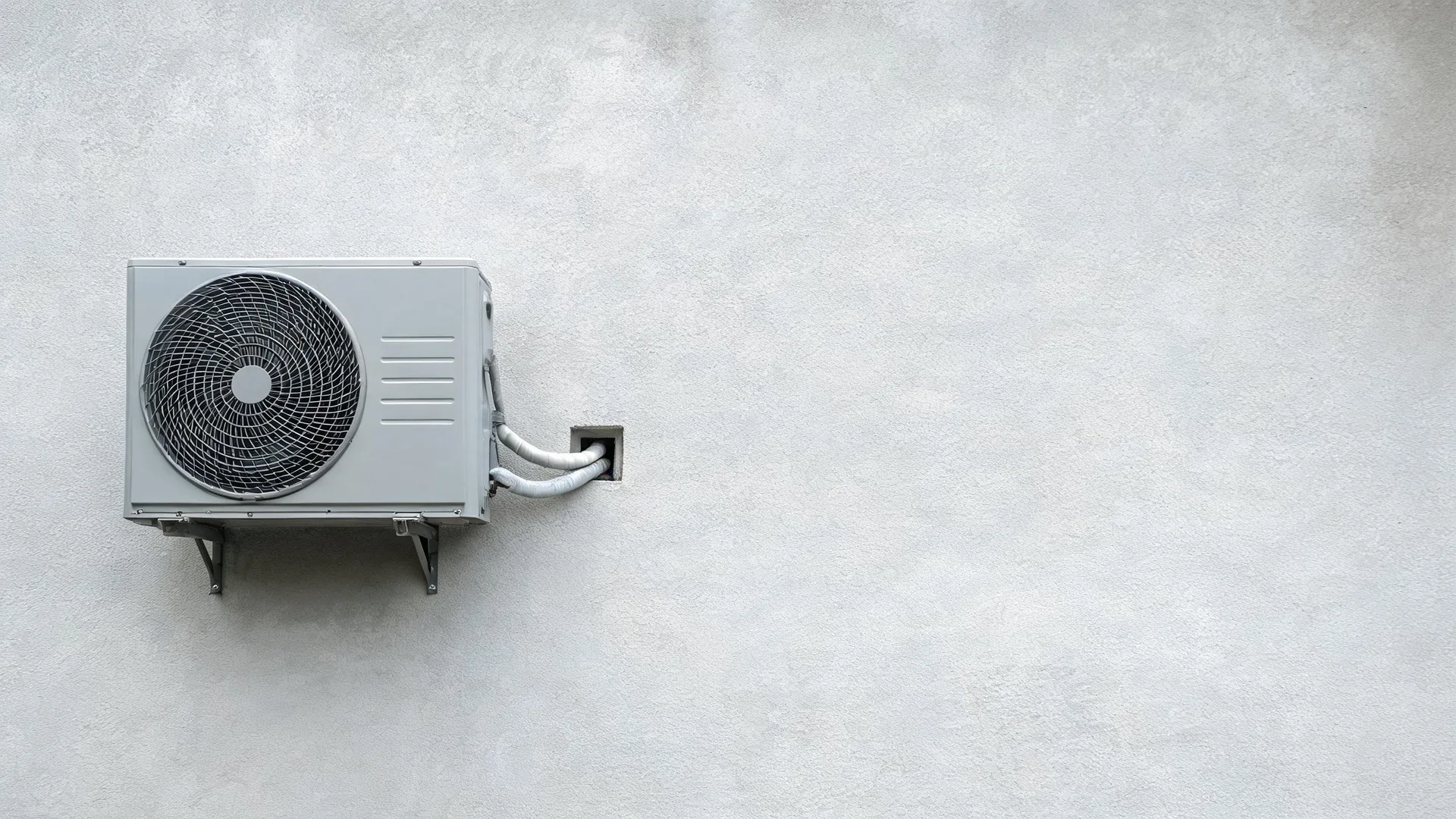
A white outdoor air conditioner condenser unit mounted on metal wall brackets against gray horizontal siding, with a blue sky and white clouds behind it.

Day into night, this unit will be running most days from May to October

Six months of cooling a year adds up to a lot of cycles on the compressor. Ask whoever installs it to run a load calculation for your house instead of guessing off square footage. A unit that's sized right will cycle on and off the way it's supposed to. One that's oversized short cycles and never pulls the humidity down. One that's undersized runs flat out all summer and still falls behind on the hottest afternoons.

The rating tells you the ratio, not the bill

SEER2 measures how much cooling a mini split delivers for the electricity it uses. A higher number means less power per degree of cooling, nothing more. What the unit actually costs to run depends on sizing and how many hours it ends up working.

A mis-sized unit never reaches its rated number

A mini split only hits its efficiency rating when it's sized to the room and runs full cycles the way it's built to. An oversized unit rated high on paper still short cycles, burning extra power every time it starts and stops instead of settling into a steady run.

Installation cost mostly comes down to how many indoor heads the system needs and how far each one sits from the outdoor unit. A single zone running a short line set is the simplest job there is. Add zones for other rooms and you're adding line sets, mounting brackets, and another spot to cut into the wall, so the price climbs with each one. Where the outdoor unit can go matters too. A straightforward wall or pad mount near an exterior wall costs less to run line to than a unit that has to sit far from the house or up on a bracket. Electrical work is its own factor. Some homes already have a circuit that can serve the system, and others need a new line run from the panel, which is labor the installer has to account for before anything gets mounted.

Installation day starts with the outdoor unit going up, mounted to a pad or bracket outside, then a hole gets cut through the wall for the line set. That line set carries refrigerant lines, a power cable, and a condensate drain all together, so the hole only needs to happen once per zone. The indoor head mounts high on the wall, gets connected to the line set, and the whole system gets evacuated with a vacuum pump before any refrigerant moves, which pulls out moisture and air that would otherwise wreck the compressor. Once that's done the lines get charged, the system runs through a test cycle, and whoever installed it checks the temperature split between the air going in and the air coming out. A single zone is usually a one day job. Add zones and you add time, since each indoor head needs its own hole, its own line set, and its own mounting work before the system as a whole gets tested together.