







R-22 phase-out and older AC units in South Carolina

New system or replacementCentral ACSouth Carolina
Step 1 of 2

What ZIP code is the job in?

Can I still use R-22 in my AC in South Carolina?

R-22 is the refrigerant older air conditioners were built to run on, and it has been phased out of production and import since 2020. If your system is old enough to use it, you have probably already noticed that a recharge costs a lot more than it used to, or your contractor has told you supply is tight. You want to know if you are stuck, or breaking a rule, by keeping the system running.

Yes, you can still use R-22, but you can't buy new R-22

Running your system on R-22 is not against any rule. What changed is the supply. No new R-22 has been manufactured or imported into the country since 2020, so what's available now is only what was produced before then or reclaimed from old systems. That makes it scarce, and scarcer every year, which is why a recharge costs far more than it did a decade ago. In South Carolina, where the system runs hard for months at a time, a slow leak that once meant a cheap top-off can now mean a repair bill that rivals putting in a new unit. If your system needs R-22 more than once every couple of years, that's usually the point where a replacement starts making more sense than keeping it alive.

An older man with gray hair and a beard, wearing a dark coat dusted with snow, stands smiling in a doorway of a warmly lit home with a sofa, lamp and window visible behind him.
An older man with grey hair and a beard, wearing a dark coat dusted with snow, stands in a dimly lit entryway with a ceiling lamp, a side table with two shaded lamps, and a lit fireplace visible in a room beyond.
A bearded older man in a dark snow-dusted coat and scarf stands just inside a home's front door, with a lamp-lit room and snowy window visible behind him.
An older man with gray hair and a beard stands in a doorway of a home, wearing a dark coat dusted with snow, with a lit fireplace and lamp visible in the blurred room behind him.
A gray outdoor air conditioning condenser unit on a concrete pad beside a house with horizontal lap siding and a stone veneer base, with a disconnect box and conduit on the wall, mulch bed and shrub to the right, and mowed grass in the foreground.
A system still running on R-22 and holding its charge can keep cooling your house through another South Carolina summer with no trouble.
An outdoor air conditioner condenser unit on a gray composite pad beside a house with horizontal siding, a concrete foundation, a basement window, and a conduit and disconnect box on the wall.
Once a unit like this starts leaking, the refrigerant inside is harder to find and costs more every year it's still made at all.

An R-22 system is sealed at installation with the refrigerant it needs for the life of the unit. Nobody adds to it unless something is wrong. That is why a top-off is never routine. It means a leak has opened somewhere in the copper lines or the coil, and most of those leaks start small. A unit can keep cooling your house through a stretch of hot weather while it loses charge, because the compressor just works harder and longer to make up for it. That extra running time wears the compressor down faster than it would otherwise. Eventually the charge drops low enough that the coil starts icing over, sometimes in the middle of a muggy South Carolina afternoon, which is often the first sign a homeowner actually notices. A technician won't find any of this by looking at the outdoor unit. Checking for R-22 loss means connecting gauges at the service valves and reading the pressures directly, since that is the only way to know how much refrigerant is actually left in the system.

How R-22 Loss Shows Itself

  • R-22 systems cool using a fixed amount of refrigerant sealed in at installation, and that charge is meant to last the life of the unit.
  • A properly sealed system never needs refrigerant added, so any need for a top-off means there is a leak somewhere in the lines or coil.
  • Leaks in older copper lines usually show up slowly, so the unit may still cool fine for months while losing a small amount of charge.
  • Low refrigerant forces the compressor to run longer to reach the same indoor temperature, which adds wear beyond what the leak itself causes.
  • A technician checks for R-22 loss by measuring pressures at the service valves, not by looking at the outdoor unit.
  • Once the refrigerant drops below what the system was designed to hold, the coil can start icing over even on a hot South Carolina afternoon.
A woman wrapped in a cream textured blanket sits in an armchair beside a lit lamp and a dark window, with an open book in the foreground.
A bearded man in a plaid flannel shirt stands indoors looking out a frost-covered window, with a steaming dark blue mug on the wooden sill and snow-covered trees outside.

Why the supply keeps shrinking

R-22 isn't made or imported anymore, so every pound in South Carolina right now is refrigerant that already existed before 2020. None of it is being replaced. Reclaimed R-22, pulled from old systems being scrapped and cleaned up for reuse, is one of the only sources left, and it doesn't come close to matching what used to be produced new each year. As more systems get replaced or break down for good, the pool of available R-22 only gets smaller. That scarcity is what drives the price, not any change in how the refrigerant works or what it costs to produce.

What a new system runs on

Air conditioners built today use R-410A, a refrigerant that holds up without being phased out the way R-22 was. A new system comes with it factory sealed, at the amount engineered for that unit, so there's no sourcing refrigerant or watching a supply that keeps getting tighter. It also means the equipment itself is current, built to the efficiency standards in place now rather than ones from years ago. For a South Carolina summer, that's a system that doesn't depend on a shrinking stockpile of an aging gas to keep running through August.

Power costs 15.12 cents per kilowatt-hour statewide

At 15.12 cents per kilowatt-hour, an R-22 system losing its charge costs you more to run every month, not just more to refill. A unit built for a gas that's gone short cools less efficiently as it leaks, and you pay for that difference on every bill through a South Carolina summer.

EIA-861 2025 statewide residential average

What you'd notice first

The house takes longer to feel cool after the hottest part of the day, and the thermostat seems to run longer to hit the same number it always has. Rooms farthest from the air handler start lagging behind the rest of the house. None of this happens all at once. A system low on R-22 still blows cold air, just not as cold, and not for as little as it used to cost. By the time you notice the house isn't keeping up through a South Carolina afternoon, the leak has usually been losing ground for a while.


What it puts at risk

A compressor run low on refrigerant for months works harder than it was built to and can fail well before it would have otherwise. Replacing a compressor on a system that still needs R-22 is a hard sell once you add up the cost of the part and the refrigerant to recharge it. Most homeowners in that spot end up replacing the whole system anyway, just later and after paying to keep the old one limping through another summer first.

A gray outdoor air conditioner condenser unit on a concrete pad beside a house with beige horizontal siding, with an electrical disconnect box and insulated refrigerant lines on the wall and dry leaves on the ground.
Before you get your air conditioner installation
A gray outdoor air conditioning condenser unit on a concrete pad beside a house with horizontal gray siding, with a wall-mounted electrical disconnect box and insulated refrigerant lines, and blue hydrangeas in a mulched bed to the left.
After you get your air conditioner installation

Matched to your air conditioner job

One request ends the search for an air conditioner installer.

There's no charge for the request.

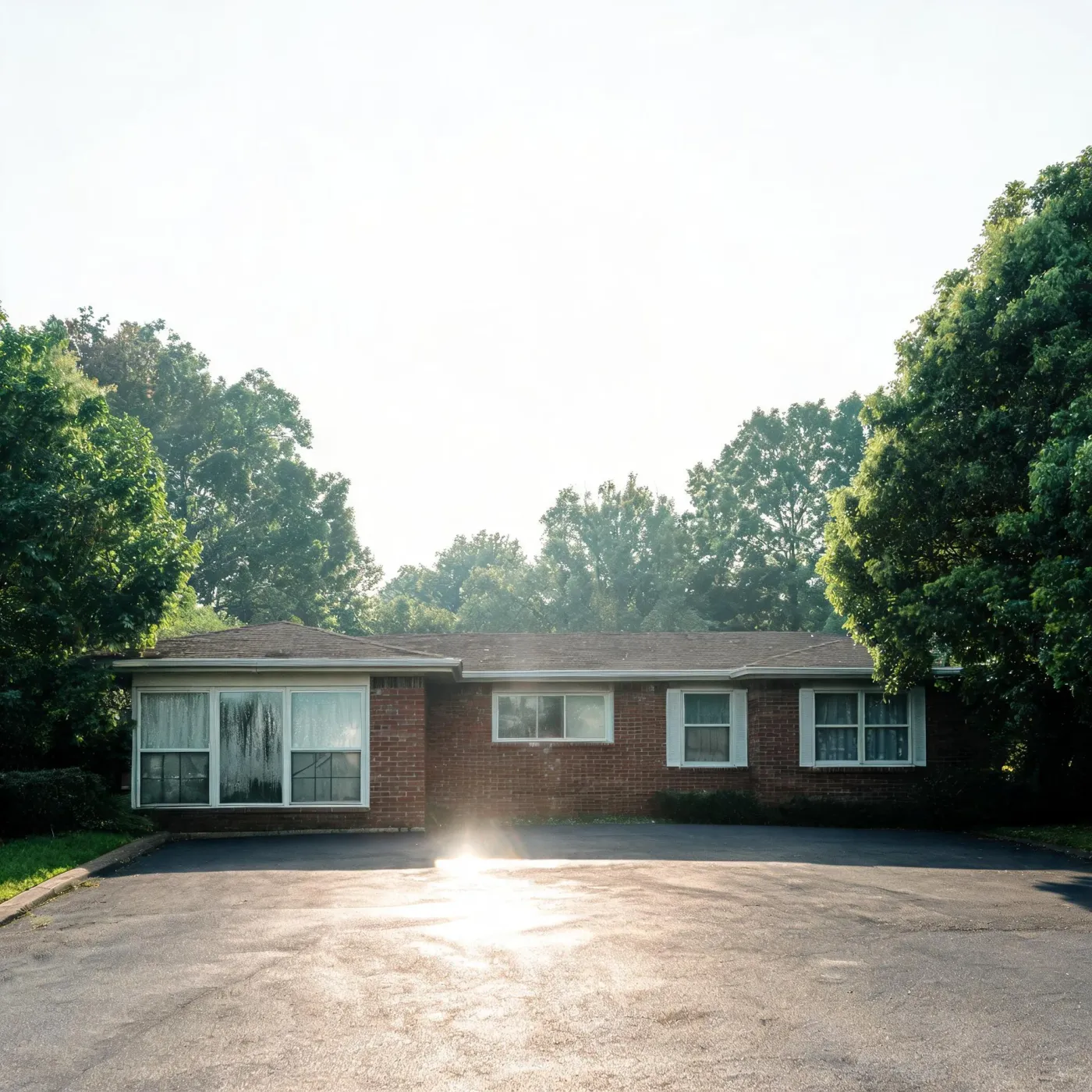
A single-story brick ranch house with white-framed windows behind a large empty asphalt parking lot, surrounded by leafy green trees under a bright hazy sky with sun flare.

A South Carolina summer keeps the dew point at 69°F on average through June, July and August, according to NOAA climate data. That's heavy, sticky air, the kind that makes a shirt stick to your back on the porch. Your air conditioner isn't just cooling that air, it's wringing the moisture out of it, and that job falls harder on a system that no longer holds its full charge of R-22. A unit short on refrigerant pulls less water out of the air it moves, so the house can feel damp and warm at the same time even while the thermostat says it hit the set number. That's the humidity staying behind because the system can't keep up with it anymore.

NASA POWER T2MDEW county cells weighted by homes

Why does your AC seem to be working harder this summer?

You set the thermostat where you always do, but the house takes longer to catch up, especially by late afternoon when the heat's been building for hours. You might hear it running almost nonstop on the worst days, or notice a hiss near the outdoor unit that wasn't there before. Sometimes there's an oily residue on the copper lines or fittings, a sign refrigerant has been escaping slowly. The bedrooms upstairs or at the far end of the house stay a few degrees warmer than the rest, no matter how long the system runs. None of this means the unit is done, but a system that keeps losing refrigerant is working against itself, and the strain adds up across a South Carolina summer.

A gray outdoor air conditioner condenser unit on a concrete pad beside a house with light vinyl siding, with an electrical disconnect box and conduit on the wall and a leafy shrub with dark mulch to the right.

Running clean

This is what a healthy condenser looks like. The grille is clear, the lines running up to the disconnect box are intact, and the unit sits level on its pad doing its job without drawing attention to itself. An R-22 system in this shape can still get through a South Carolina summer.

An outdoor air conditioner condenser unit on a concrete pad beside a house with horizontal lap siding, with a gray electrical disconnect box and conduit on the wall and a green shrub over pine-needle mulch at left.

Showing its age

Dirt and pine needle mulch have built up around this unit, and the grille is weathered down to bare metal in spots. None of that causes a leak by itself, but a unit left to weather like this has usually gone a long time without anyone checking the refrigerant charge underneath.

Keep Repairing or Replace the Unit

Keep it running

  • A sealed R-22 system holding its charge has no reason to stop working just because the refrigerant is old.
  • You can keep having it serviced and recharged as long as reclaimed R-22 is available to buy, though the price per pound keeps climbing.
  • You avoid the cost of a new installation and the work of choosing new equipment right now.
  • If the unit has gone years without needing a recharge, that's a sign the seal is still good and the risk of a sudden breakdown is lower.
  • You're gambling that the next leak doesn't come in the middle of a July heat wave when refrigerant is hardest to find.

Replace it now

  • New systems run on R-410A, which is still in full production, so you're not tied to a shrinking supply or its rising price.
  • You stop paying more each year for a refrigerant that does less work as an aging system leaks.
  • Installation lets you size the new unit properly for your house instead of working around whatever was put in originally.
  • You get a system built to current efficiency standards, which matters most during the months when the dew point sits near 69°F for weeks at a stretch.
  • It costs more up front than another season of repairs, but you're not stuck chasing a refrigerant that nobody makes anymore.
An outdoor air conditioner condenser unit on a concrete pad beside a house with light horizontal siding, with a small electrical disconnect box on the wall, mulch and shrubs at left, and a plain white wall and concrete slab at right.

Repairing an R-22 system

A technician has to track down the leak, patch it, and recharge the system with R-22 bought at whatever the going rate is that month. The unit keeps the same fixed capacity it always had, so rooms that lagged behind before will likely still lag behind after. You're paying to keep an aging system doing what it already did, not to get ahead of the next leak that opens up somewhere else in the lines.

A dark gray outdoor air conditioner condenser unit on a concrete pad beside a house with horizontal siding and a plain light wall, with mulch and grass in the foreground and a conduit and electrical box on the wall.

Installing a new system

A new air conditioner runs on refrigerant that's still being made, so there's no shrinking supply to pay more for every year. Sizing and installation get matched to your house instead of inheriting whatever was put in originally. Through a South Carolina summer, with the dew point sitting near 69°F for months, a system built for today's refrigerant has an easier time keeping up than one stretching old R-22 further than it was meant to go.

An R-22 system that still holds its charge will keep cooling your South Carolina house, but the gas it runs on is only getting scarcer and more expensive, and a leak in that system means paying more each year just to keep it alive. At some point the math stops making sense next to a new system built for the refrigerant that's actually being made now. You don't have to work out that point on your own or spend your weekend calling around for quotes. Once you send in your information, you're done with the search part of this. A contractor who installs air conditioners in South Carolina will reach out and look at what you've got, what shape it's in, and what replacing it would actually involve for your house. That's the whole job in front of you right now: send the form, then let someone who does this for a living take it from there.

A wooden front door with six small glass panes and a narrow sidelight, set in a shingled house entry with white trim, reached by stone steps flanked by a planted urn with purple flowers and leafy branches in the foreground.
Exterior corner of a house with beige horizontal lap siding and a black-framed window, with white hydrangeas, ornamental grasses and low plantings along a flagstone patio.
Corner of a house with tan lap siding and a window, a brick step edge, flowering white hydrangeas and green shrubs beside a flagstone walkway leading to a white picket fence and a tree in backlit sunlight.
House exterior with cream horizontal lap siding, a dark-framed window, a black wall lantern beside a wood door, potted shrubs on stone steps, and white and pink hydrangeas in the foreground garden.
Corner of a cream lap-sided house with a white-framed window and dark shingled roof, beside a white-flowering hydrangea shrub, a clipped hedge, mulched bed and lawn.

An air conditioner pro near you

Send the form and the search for an installer is over.

Hand off my installation

You only hire the pro if you want to.