An outdoor air conditioning condenser unit on a concrete pad beside a house with horizontal siding, with an electrical disconnect box on the wall and shrubs to the right in low evening light.

No phone calls to make

Should you cover your AC unit in a South Carolina winter

A winter cover sounds like it would protect your outdoor unit, but it can trap moisture against the coil and give pests a place to nest. This page gets into what actually needs doing before cold weather sets in, and what to skip. If you'd rather have someone local look at the unit in person, one call covers it, no need to shop around for a contractor yourself.

Skip the calls

No. A full cover on your outdoor AC unit does more harm than good. South Carolina winters don't get cold enough to justify it, and covering the unit traps moisture against the coil and gives mice and other pests a dry, enclosed place to nest over the winter. Both of those cause damage a cover is supposed to prevent. The unit is built to sit outside year round, through rain and the occasional frost, and it doesn't need shielding from that. If you want to protect it, clear leaves and debris off the top and keep the area around it open so air moves through freely. A flat piece of plywood propped over just the top, with the sides left open, can stop debris from falling in during storms, but wrapping the whole cabinet is the thing to avoid.

A bearded man in a dark navy sweater over a collared shirt smiles and looks off to the side while seated at a dinner table with a glass of red wine, a lit candle, and a plate of food in the foreground of a dimly lit room.
A woman in a dark gray sweater reclines on a couch with her eyes closed and a knit blanket over her lap, an open book resting face-down in front of her, with a lit table lamp and shelving blurred in the background.

Why covering it backfires

  • Outdoor units sit outside year round and the coil and fan motor are built to take rain, frost and direct weather.
  • A full cover blocks airflow around the coil, and trapped moisture sits against the metal instead of draining and drying.
  • Mice and other small animals look for a dry, enclosed spot once the weather turns, and a covered unit gives them exactly that.
  • If a rodent gets inside the cabinet, it can chew through the wiring and ruin a contactor or capacitor before spring.
  • A flat piece of plywood or a dedicated top cover over just the fan opening keeps leaves and debris out without sealing the sides.
  • Running the unit a few times in winter for the heat pump or a quick system check matters more than anything you'd put over it.

Your outdoor unit was built to sit outside through every season. The coil, the fan motor, the wiring inside the cabinet are all rated for rain, frost and wind, because that's what they face every day they're installed. A full cover changes that. It blocks the airflow the coil needs and holds moisture against the metal instead of letting it drain and dry the way it would in open air. Over weeks, that damp metal is worse off than it would be exposed.

The bigger problem is what a cover invites. Once the weather turns, mice and other small animals start looking for somewhere dry and enclosed to spend the winter, and a covered unit is close to ideal. If one gets into the cabinet, it can chew through wiring and take out a contactor or capacitor, and you won't know until the unit won't start in spring.

If you want to protect it, cover less, not more. A flat piece of plywood set on top, or a cover made for just the fan opening, keeps leaves and debris from falling into the fan without sealing off the sides or trapping air inside. And if your system is a heat pump, it needs to run through the winter anyway, since it's doing your heating. Running it a few times, or having it checked once before the cold sets in, protects it more than anything you'd lay over it.

A smiling woman with dark shoulder-length hair in a cream V-neck sweater sits at a marble counter with a glass of red wine, with a kitchen and softly lit living room behind her.
A woman in a dark green sweater laughs while seated at a marble kitchen island with a glass of red wine, with open shelving, cabinets and a living room visible behind her.
A woman with long dark hair in a cream knit sweater laughs while looking off to the side, seated at a counter with a glass of red wine, in a dimly lit living room with a sofa, lamp, framed pictures and houseplant behind her.
A smiling woman with long dark hair in a beige sweater sits at a marble kitchen counter with a glass of red wine, with a dimly lit living room behind her.

A unit left uncovered all winter dries out after every rain because the coil sits in open air and water runs off the fins instead of pooling on them.

Covered tight, that same water has nowhere to go, so it sits against the coil until it corrodes the metal the cover was supposed to protect.

Power costs 15.12 cents per kilowatt-hour statewide

At 15.12 cents per kilowatt-hour, you're paying a typical rate for South Carolina, which means the payoff for keeping your AC efficient shows up as a lower bill, not a dramatic one. A clean, uncovered unit that moves air freely earns that back over next summer's cooling months.

EIA-861 2025 statewide residential average

A gray outdoor air conditioner condenser unit on a concrete pad beside a house with horizontal siding and a light stucco wall, with a disconnect box and refrigerant lines on the wall and a shrub and mulch bed at left.

Leave it uncovered

Your unit sits outside through every South Carolina winter whether you touch it or not. Open air around the coil lets rain run off and dry out between storms. The fan motor and coil are built for that. Brushing leaves and debris off the top and keeping a couple feet clear around the sides does more for it than any cover would, and it takes a few minutes.

A gray outdoor air conditioning condenser unit on a concrete pad surrounded by gravel, next to a white horizontal-lap-sided house wall with an electrical box and conduit, against a blank white background on the left.

If you still want cover

A mesh top cover over just the fan opening keeps falling leaves and sticks out without sealing the unit up. It still lets air move through the sides and bottom. What you want to avoid is a full cover that wraps down to the ground, since that's what traps moisture against the coil and gives mice a dry spot to settle in until spring.

What's that cover doing to your AC unit

Pull a winter cover off in March and you'll usually find a damp coil and leaves packed into the fan housing. Some owners find mouse droppings inside, or chewed insulation on the wiring where something nested for a few months undisturbed. The metal fins can look dull or spotted where moisture sat against them instead of draining off. None of that shows up on a unit left uncovered. If a nest gets into the wiring or the coil corrodes enough to leak refrigerant, that's a repair you didn't need before summer, not a problem the cover prevented.

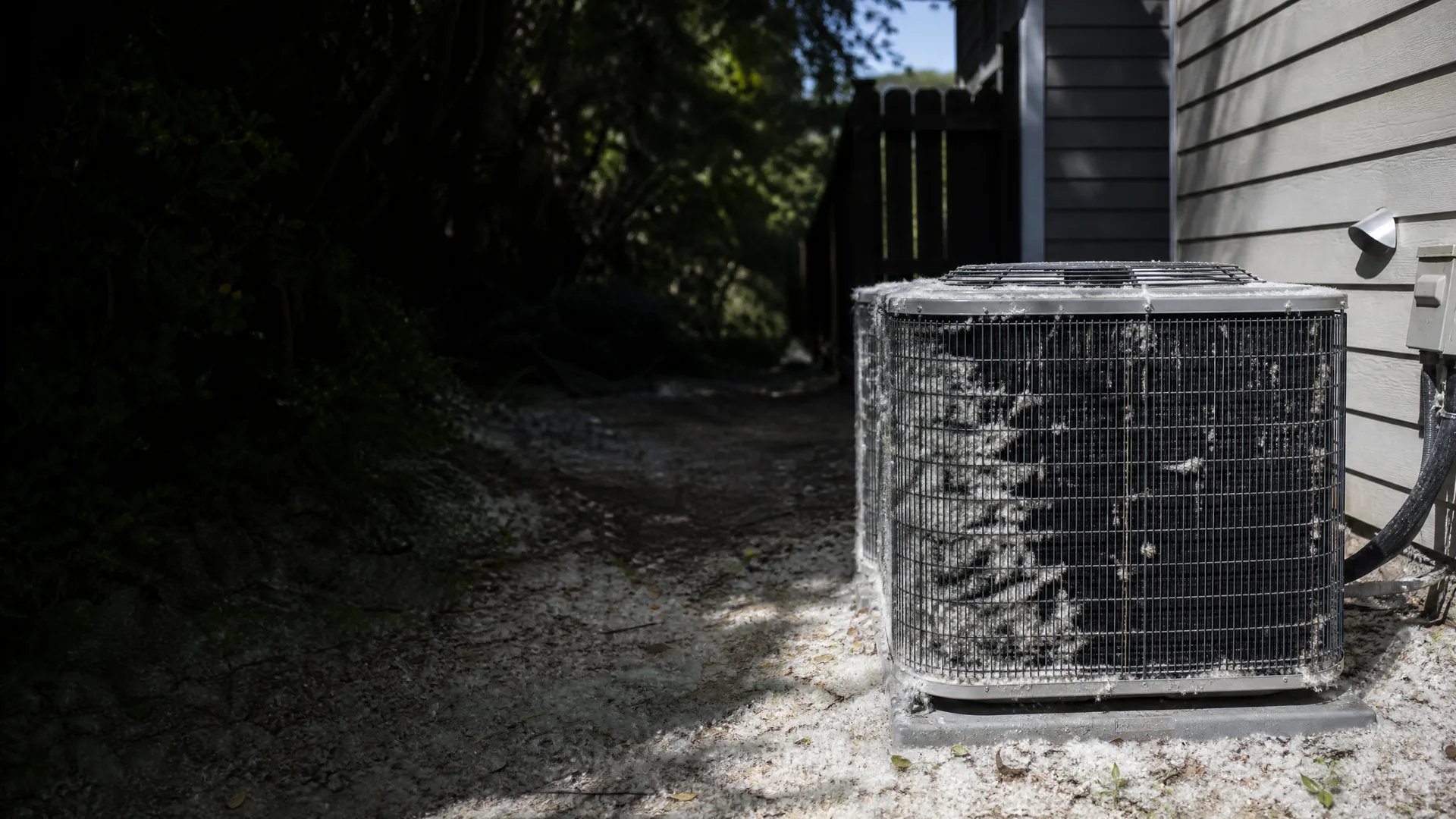
An outdoor air conditioner condenser unit covered in white foam-like debris sits on a concrete pad beside a light-colored lap-sided house, with white flecks scattered on the ground and dark trees and a wooden fence behind.

The cottonwood fluff comes through your side yard in late May, catching on everything low to the ground. You notice it on the condenser first, a white mat packed into the fins where the fan pulls air through. You left the cover off all winter like you'd read somewhere you should, and the unit handled every frost fine. It's this stuff that's actually blocking the coil now. You crouch down and see it's thick enough that you can't see metal through it in spots, and you make a note to hose it out before the heat really sets in and the unit has to work through it to cool the house.


One form, no calling around

You've read why the cover stays off. What's left is the part that actually matters before next summer: getting someone out to pull leaves and debris from the fan housing, check the coil for the kind of buildup that cuts airflow, and look at what winter weather did to the wiring and connections while the unit sat outside. That's a different visit than deciding on a cover, and it's the one that keeps the unit running efficiently when you need it in July. Finding someone for that usually means calling a few places, describing the same thing each time, then sitting with quotes that are hard to compare because no two contractors price it the same way. A local contractor who services AC units through every South Carolina winter has already seen what a season outside does to a coil and a fan motor, and knows what to check first. One request puts this in front of a contractor who works on exactly this, instead of you doing the legwork to find them.

A gray outdoor air conditioner condenser unit on a concrete pad beside a house with white horizontal siding and a brick foundation, with a wall-mounted disconnect box and conduit, and a green shrub with mulch at left.
Clear housing, clean coil, nothing blocking the fan: this is what lets the unit run efficiently once summer comes back.
An outdoor air conditioning condenser unit on a concrete pad beside a house with white horizontal vinyl siding, with a gray electrical disconnect box and refrigerant lines on the wall behind it.
Grime caked on the grille and top cover like this holds moisture against the coil and narrows the airflow the fan depends on.
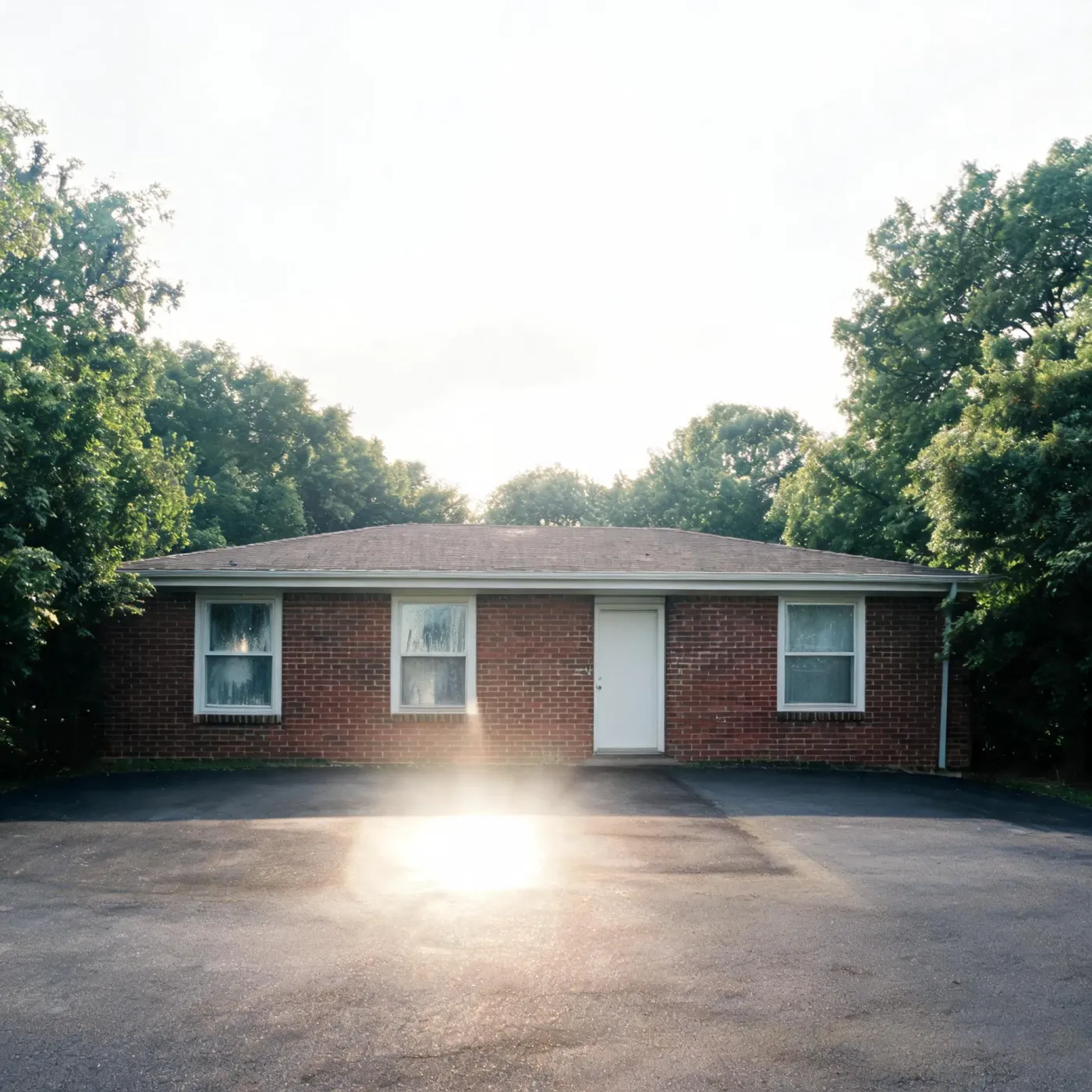
A single-story red brick house with a white door and three white-framed windows, fronted by an asphalt parking area with sun flare, surrounded by green deciduous trees under a bright hazy sky.

South Carolina summer air carries a dew point that averages 69°F across June, July and August, according to NOAA climate data. That's heavy, sticky air, and your AC has to pull real moisture out of it before the house feels dry, not just cool. A coil that's still carrying grime or leaf debris from winter can't shed that moisture as well, so the unit runs longer to get the same result. You'll notice it as a house that feels cool but still clammy, or a system that seems to run most of the afternoon without catching up.

NASA POWER T2MDEW county cells weighted by homes

Full Cover vs. Leave It Uncovered

Full cover

  • A full cover traps whatever moisture is already on the coil when you put it on, since nothing can evaporate once the unit is sealed up.
  • Mice and other small animals look for a dry, enclosed spot once it turns cold, and a covered unit gives them exactly that.
  • You lose the chance to spot a cracked line or a loose panel over the winter, because you're not looking at the unit at all.
  • Pulling the cover off in spring often means finding a mess first, chewed wiring or nesting material, before you can even check the coil.
  • A cover that fits loosely can flap in wind and rub against the cabinet, which wears at the paint and the metal underneath.

Leave it uncovered

  • Rain runs off the coil and the unit dries out between storms, the way it's built to handle all year.
  • You can walk past it on a cold day and see right away if leaves or debris have piled up against the fan housing.
  • Nothing is sealed against the cabinet, so there's no dry pocket for mice or other pests to settle into over the winter.
  • The fan motor and coil are outdoor parts, made to sit through frost and wind without a cover protecting them.
  • A quick check before summer, clearing debris and looking over the coil, is easier on a unit that's been open to the air all along.
A gray outdoor air conditioner condenser unit on a concrete pad beside a house with horizontal siding and a stucco foundation, with a disconnect box and conduit on the wall, decorative gravel, mulch, and a shrub nearby.

Working through winter

This is a unit left alone. The pad is clear, the gravel bed around it is undisturbed, and the disconnect box on the wall is reachable if anyone ever needs it. Rain hits the coil and drains off. Nothing is stacked against it, nothing is sealed over it.

An outdoor air conditioning condenser unit on a concrete pad beside a house with horizontal lap siding, with an electrical disconnect box and conduit on the wall, mulch and a green shrub to the right, and a concrete walkway in the foreground.

Buildup under a cover

Dirt and debris have packed into the coil grilles here, the kind of grime that collects when airflow gets blocked. A sealed cover does this faster than open air ever would, holding moisture and dust against the metal instead of letting it dry and blow clear.

An outdoor air conditioner condenser unit on a concrete pad beside a house with light horizontal vinyl siding, surrounded by bare dirt, gravel and dry leaves, with refrigerant lines and conduit running along the wall.
Before you get your air conditioner maintenance
A gray outdoor air conditioner condenser unit on a concrete pad beside a house with horizontal lap siding, with a flowering shrub at left and a disconnect box with conduit on the wall at right.
After you get your air conditioner maintenance
  1. Cold outside coil meets warm indoor air and sweats like a glass of ice water.

  2. Moisture beads on the fins instead of running off the way rain does.

  3. Trapped under a cover, that water has nowhere to go and stays put.

  4. Standing moisture starts corroding the coil and the metal housing around it.

A closed dark laptop and a ceramic mug of coffee on a wooden dining table, with wooden chairs, a dark kitchen cabinet with cutting boards and a potted plant, and a leafy plant by a window in the background.

Leave it uncovered, and check on it before summer

Skip the cover. Walk out there sometime this winter, clear anything that's blown up against the housing, and leave the rest to the weather it was built for.

What's worth your evening isn't finding someone to look at it. It's getting it done without the usual run-around: searching around, calling a few places, explaining the same thing twice, and sorting through quotes that don't match up. One call connects you with a local contractor who works on units like yours all season and already knows what a South Carolina winter does to a coil left alone. No crew of strangers calling back, just one person who shows up knowing the job.

A living room corner with a beige sofa and cushion, a round wooden coffee table holding a pale ceramic vase of eucalyptus stems and a wooden bowl, and a curtained window with a potted plant above a latticed radiator cover in the background.
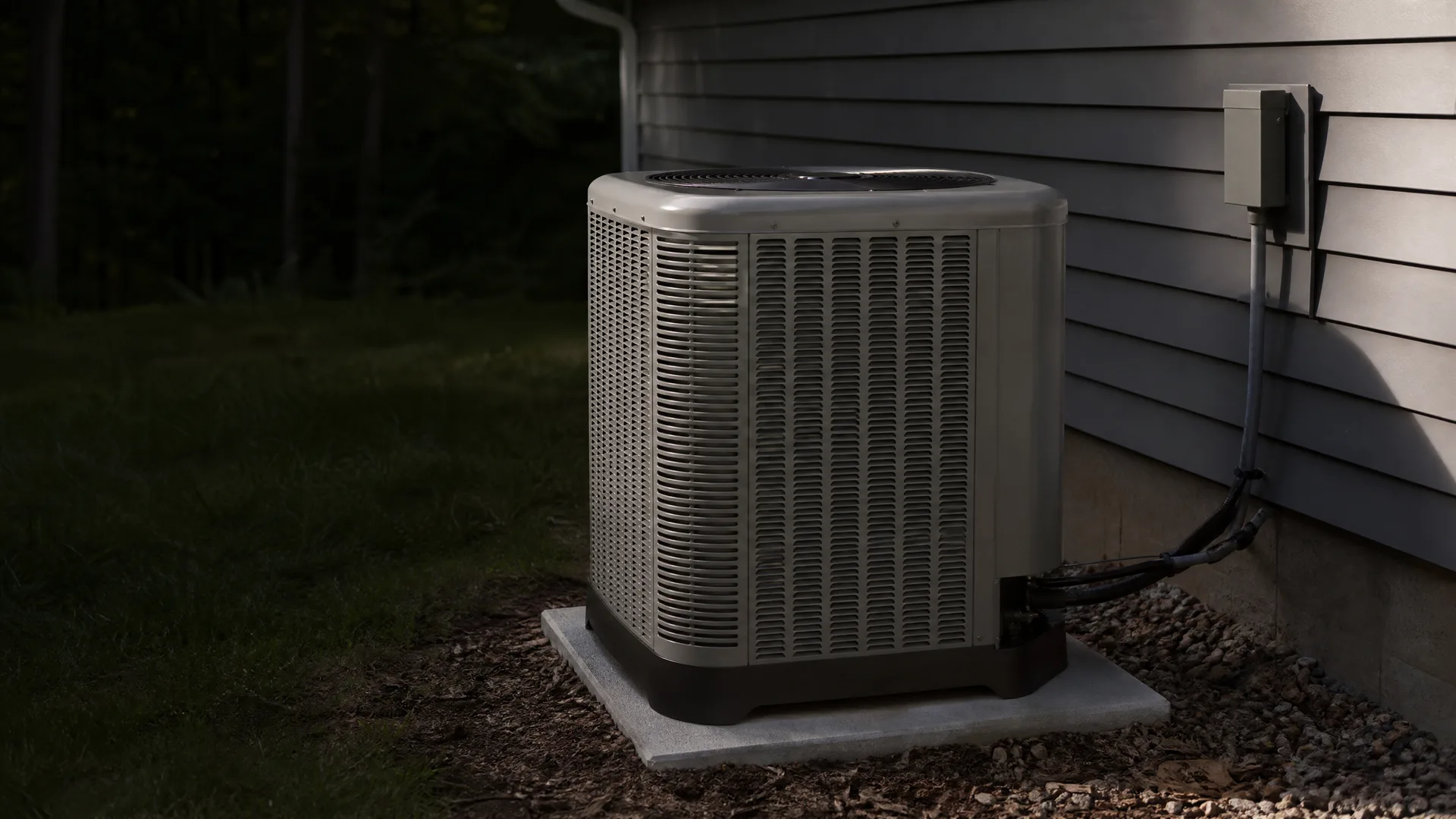
An outdoor air conditioning condenser unit sits on a concrete pad beside a house with horizontal lap siding, with a wall-mounted disconnect box and refrigerant lines entering the wall, gravel and grass around it and dark trees behind.

Skip the search

Tune-up, service, or cleaningCentral ACSouth Carolina
Step 1 of 2

What ZIP code is the job in?