
Why mini splits drip inside in muggy South Carolina summers
Why is my mini split dripping water inside in the summer?
With the humidity South Carolina summers bring, you've probably got the mini split running most of the day to keep everyone comfortable. Water showing up inside, around the unit or dripping onto the wall or floor, is the kind of thing you notice fast because it means something's wrong, not just that the system is working hard.
It's a clogged or disconnected condensate line, or a dirty filter freezing the coil
A mini split pulls a lot of water out of the air on a humid day, and that water is supposed to leave through a drain line and run outside. When that line clogs with algae or dust, or slips loose, the water backs up and finds its way out of the unit instead. A dirty air filter can cause the same mess a different way: it blocks airflow over the indoor coil, the coil ices up, and then melts faster than the drain pan can handle. Either way the dripping is a sign something downstream of the coil needs attention, not something you can fix by just wiping it up.
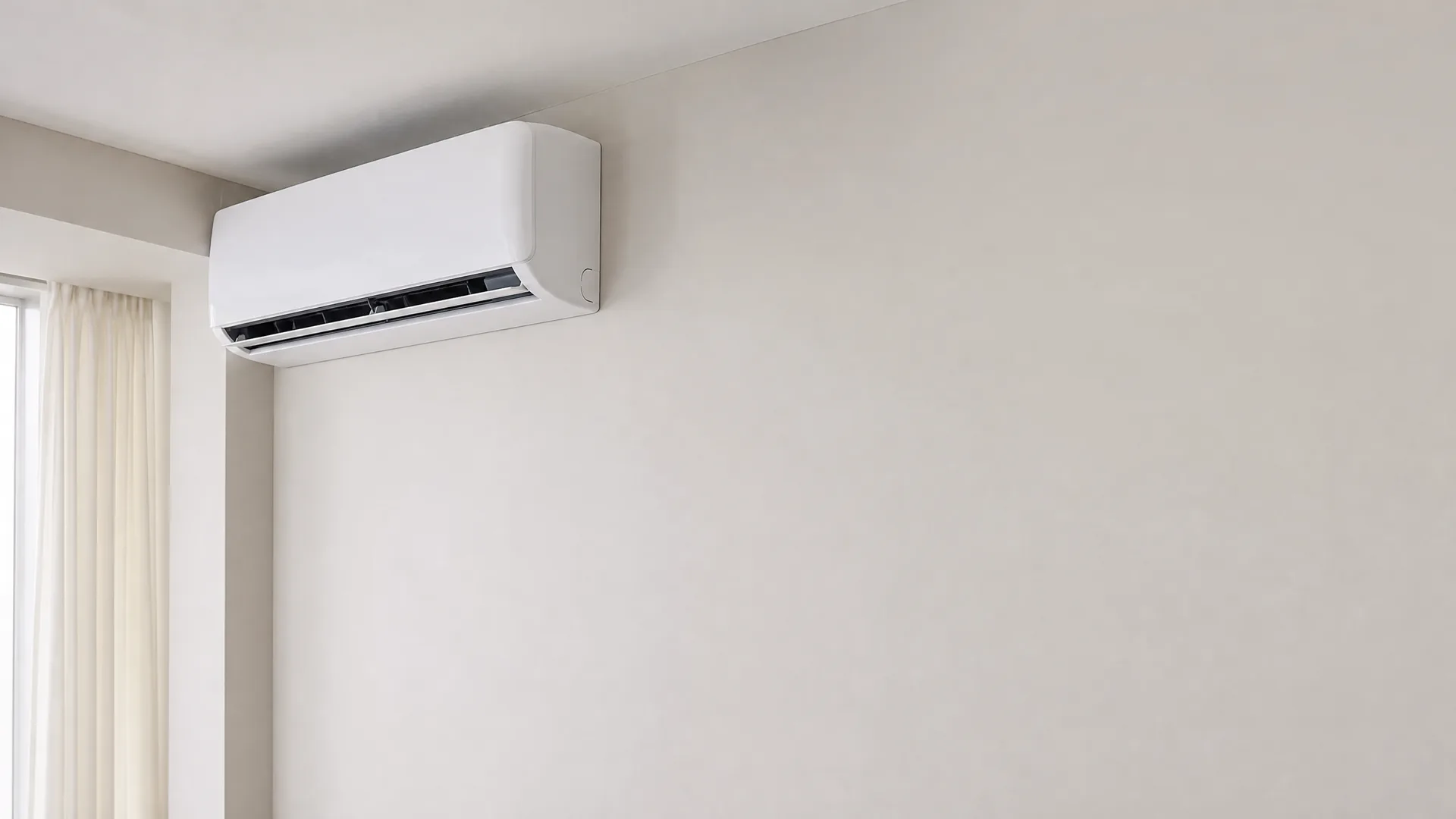
Where the water is supposed to go
Every mini split pulls moisture out of the air as it cools, and that water collects in a drain pan under the indoor unit before running out through a condensate line. When that line is clear, you never see any of it. When it's clogged with algae or dust, or sits at the wrong pitch, the pan overflows and water finds its way out the front of the unit instead of down the drain.
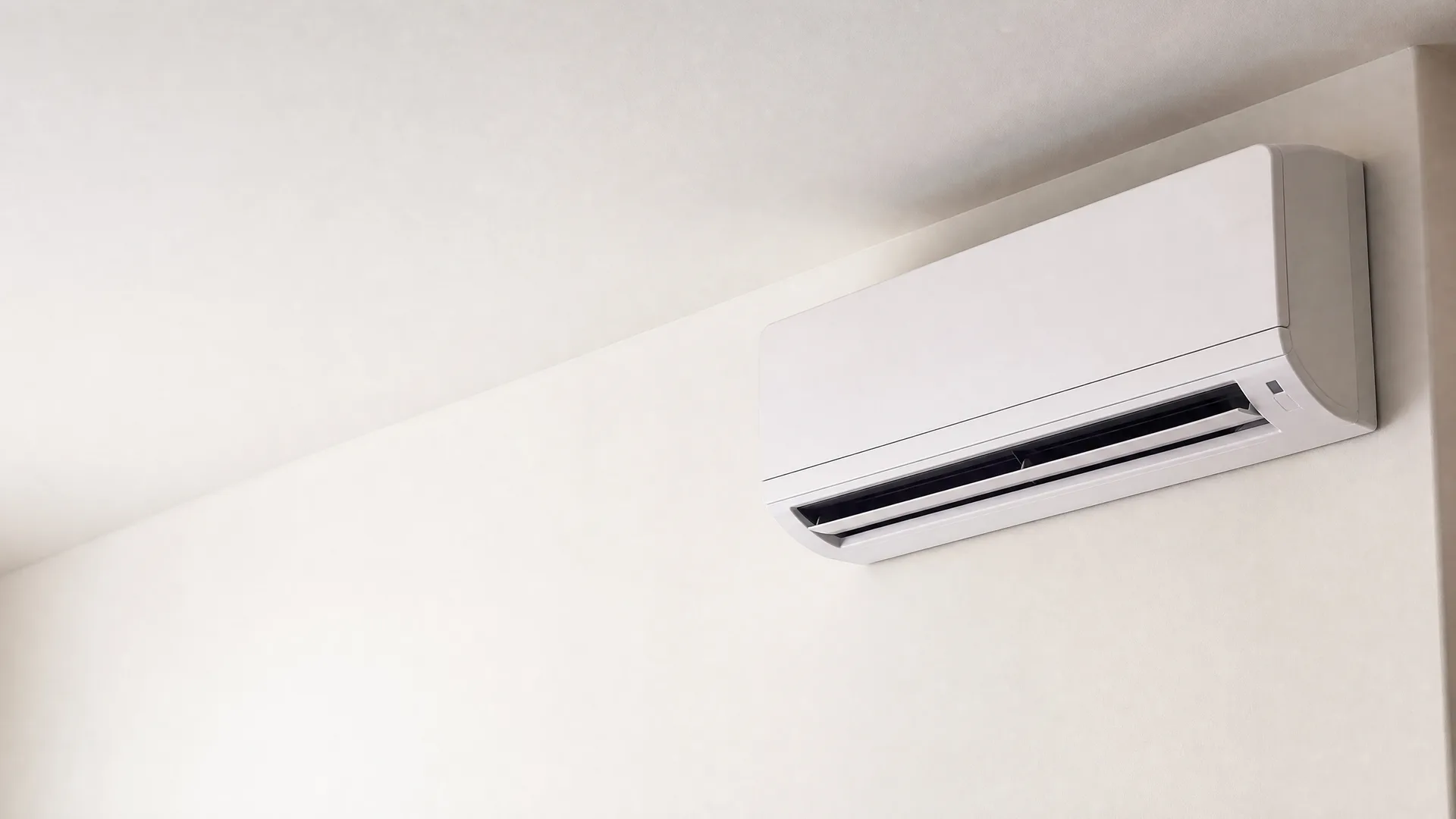
Why a dirty filter makes it worse
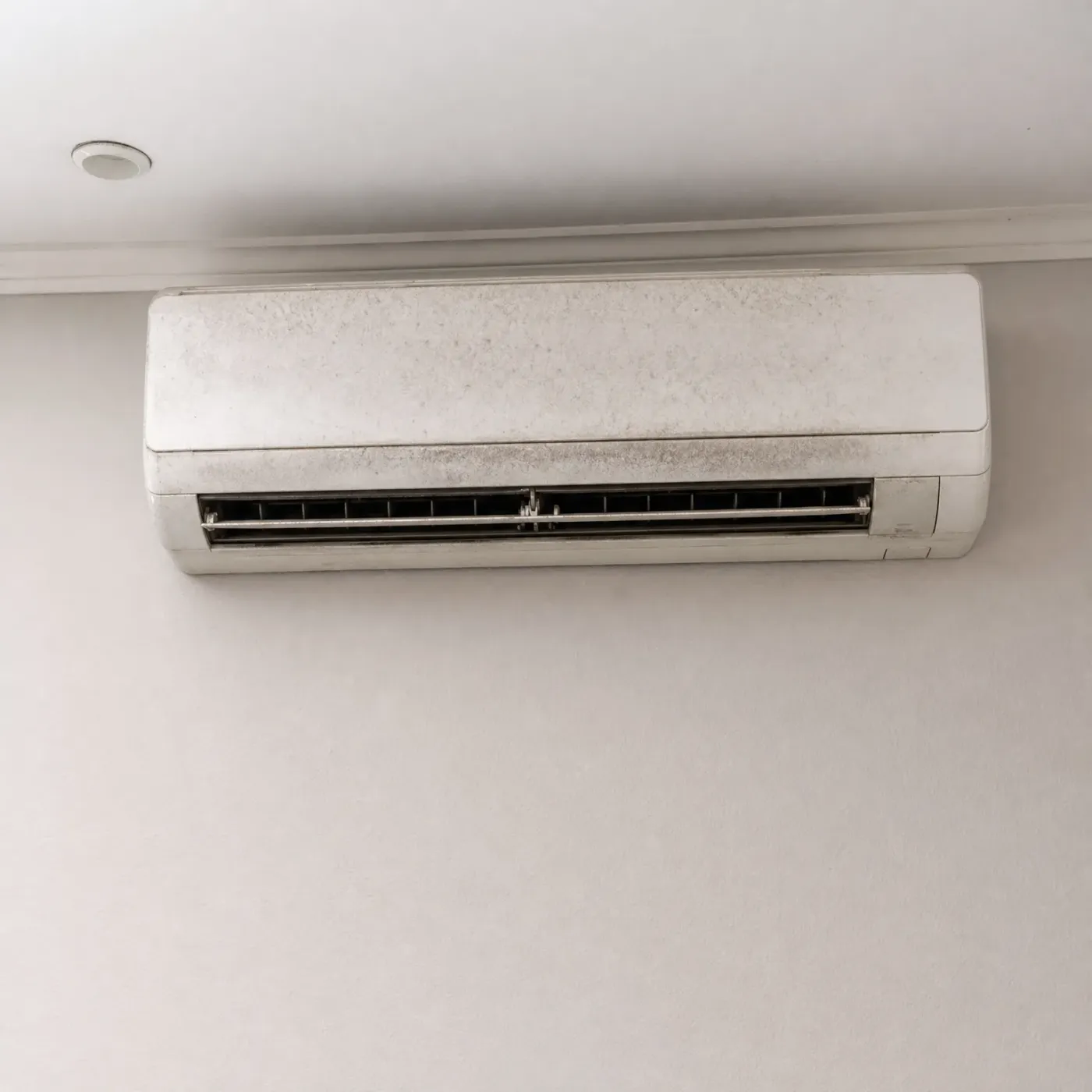
A filter clogged with dust and pet hair blocks airflow across the indoor coil. With less air moving across it, the coil runs colder than it should and can ice over. When the system cycles off or you turn up the temperature, that ice melts all at once, faster than the drain line can carry it away, and the overflow shows up as water on the wall or floor below the unit.
Where the Water Problem Starts
Clogged drain line
- Algae and dust build up inside the condensate line over a summer of steady running, narrowing the path the water has to take.
- Water backs up into the drain pan and spills over the side instead of draining outside, which is what you see dripping from the indoor unit.
- A contractor can usually clear this with a wet vacuum at the outdoor end or a flush through the line itself.
- This tends to show up gradually, a little more water each week, rather than all at once.
- Where the drain line runs and how it is routed affects how often this happens, so it is worth having it checked if this isn't the first time.
Dirty air filter or coil
- A filter clogged with dust slows the air moving across the indoor coil, and the coil can ice over instead of just collecting condensation.
- When that ice melts, it melts faster than the drain pan and line were built to handle, and water overflows.
- This shows up most on the days you're running the mini split longest, which in South Carolina is most of the summer.
- A dirty coil holds onto moisture rather than shedding it into the pan the way it should.
- Cleaning the filter on a regular basis is routine, but a coil that has iced over needs a contractor to confirm what caused it before it happens again.




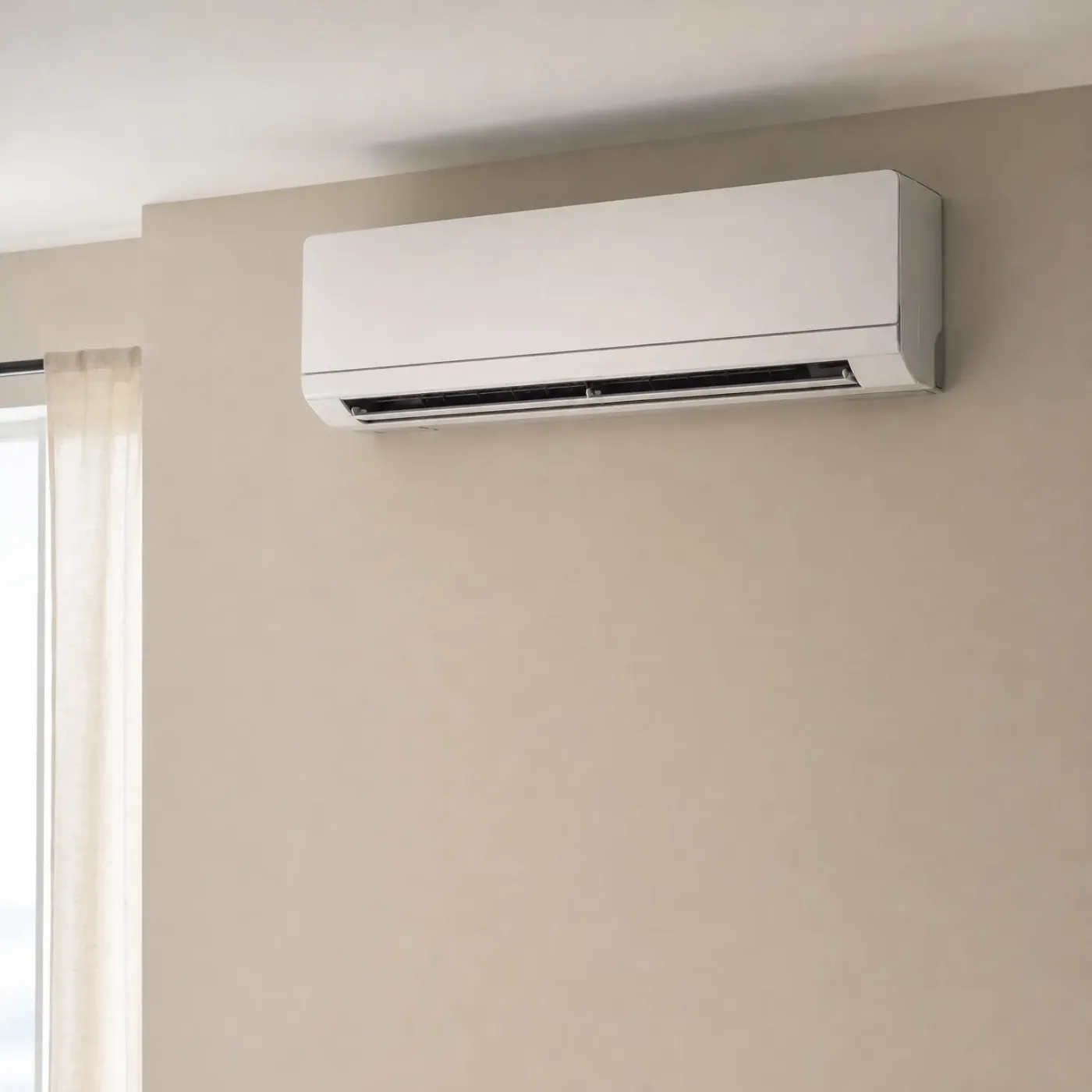
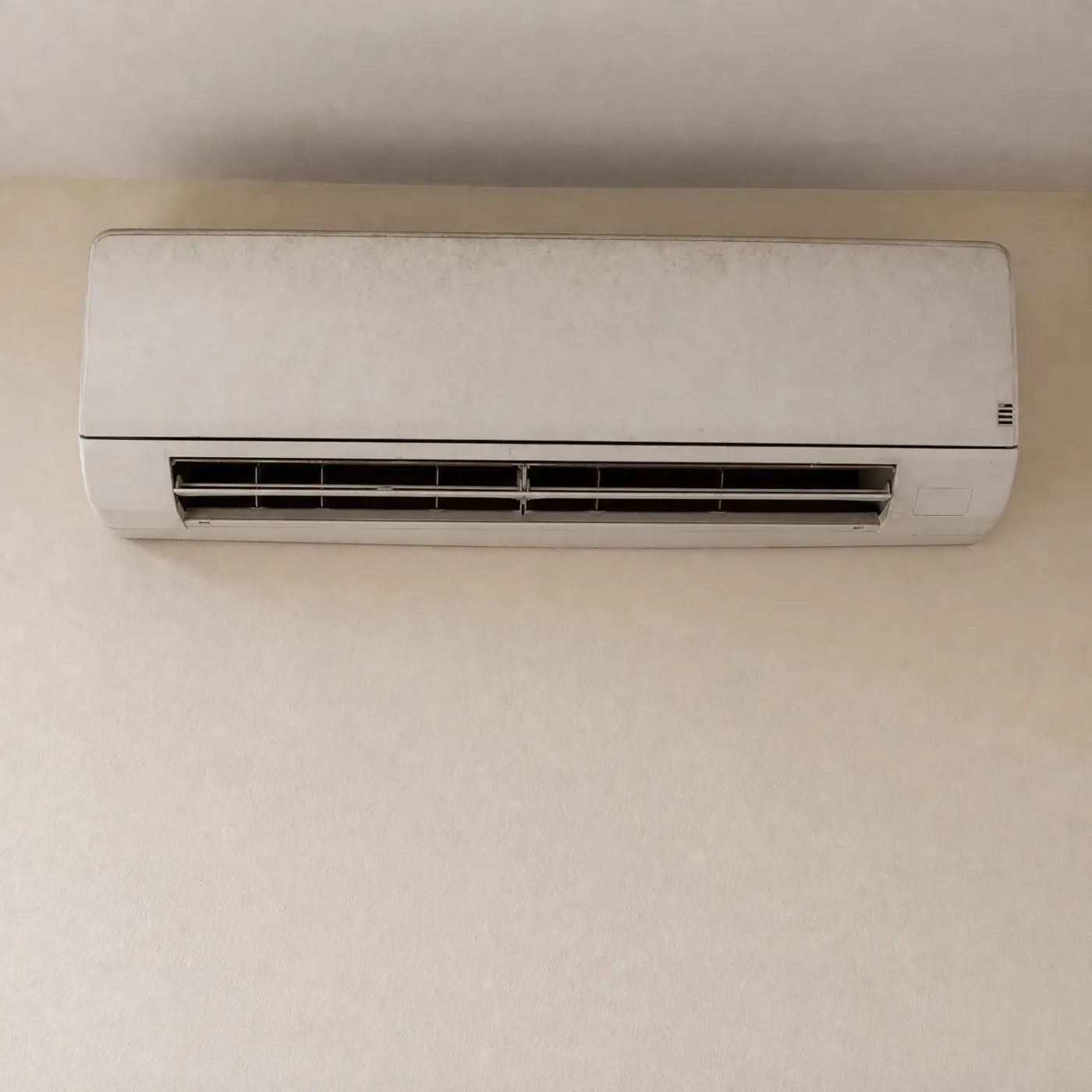
A clogged line isn't the only way water ends up where it shouldn't. Airflow matters too. If the blower wheel or vent is caked with dust, it can scatter air across the drain pan and knock droplets out before they ever reach the line. The refrigerant line running to the indoor unit is wrapped in insulation for a reason, and if that wrap is cracked or missing anywhere along its length, that spot sweats and drips on its own. The drain line itself has to pitch downward the whole way out. A sag or a flat stretch gives water a place to sit and back up instead of draining. If the unit uses a condensate pump to push water out, a failed pump means the pan just fills up with nowhere to go. Ice is another one. A dirty filter or weak airflow can let ice build on the coil, and when the unit shuts off, that ice melts fast, faster than the pan is built to handle. And sometimes it's simpler than any of that, a fitting on the drain line has come loose and water is falling straight down inside the wall.
Other ways the water gets in
- A dirty blower wheel or vent can throw air across the drain pan and send droplets past the line instead of into it.
- A refrigerant line with cracked or missing insulation sweats along its length and drips wherever that bare spot sits.
- A drain line installed without steady downward pitch leaves low spots where water sits and backs up instead of flowing out.
- A condensate pump, if the unit uses one, stops moving water out once it fails, and the pan fills until it spills.
- Ice built up on the coil from a dirty filter or low airflow melts fast once the unit cycles off, more than the pan can hold.
- A loose or disconnected drain line fitting lets water fall straight down inside the wall instead of reaching the outside.
Matched to your mini split job

Describe what your mini split is doing once, in one form.
You're not committing to anything by asking.
A mini split that's been dripping for a while isn't just a drip anymore. Water tracking down the wall or soaking into the carpet below the indoor unit will leave a stain or a soft spot that's still there after the leak itself is fixed.
Catch it before that happens and the fix is the drain line and maybe a cleaning. Wait through a few more muggy weeks of running and you're also looking at drywall or flooring on top of it.



What a dripping mini split does to your house
A drip on its own is just water. Left running, it finds the drywall below the indoor unit, and drywall holds moisture longer than you'd think. By the time you see a stain, the wall behind it has usually been wet for a while. If the unit sits above a closet, a hallway, or a bedroom where someone sleeps, that's where the damage shows up first, not where the unit is mounted.
It also tells you the mini split is working harder than it should to keep the house comfortable through a South Carolina summer. A clogged line or a dirty coil doesn't fix itself with more runtime. Finding someone licensed to look at it means you're not the one calling around and describing the same drip to three different companies. Answer a few questions about your unit and what you're seeing, and a contractor who handles mini splits in your area will reach out to you directly.


South Carolina summers run a dew point of 69°F from June through August, according to NOAA climate data. Air that heavy means your mini split is pulling more moisture out of the air to keep rooms comfortable, hour after hour, all summer. That's more water moving through the drain pan and condensate line than a drier summer would ever send through, and more chances for a clogged line or a bad drain slope to show up as water on your wall or floor instead of outside where it belongs.
NASA POWER T2MDEW county cells weighted by homes
What's that stain spreading under your mini split?
Check the wall below the indoor unit and the floor underneath it. A dripping mini split usually leaves a mark before anyone notices the drip itself: a dark patch on the drywall, a soft spot in the carpet, a musty smell that wasn't there before. You might hear it too, a tick or a plink hitting the floor during the part of the day the unit runs hardest. If the drip has been going on for a while, the paint near the stain may bubble or peel. None of that goes away by itself, and the longer water sits in one spot, the more of the wall or floor it ruins before the leak gets fixed.

The indoor coil pulls moisture out of the air as it cools.
Water collects in the drain pan under the coil.
Condensate runs from the pan into the drain line.
The line carries water out through the wall to the exterior.
Power costs 15.12 cents per kilowatt-hour statewide
At 15.12 cents per kilowatt-hour, running your mini split long hours to keep up with the humidity doesn't carry the sting it might elsewhere. That's worth knowing before you put off a repair over what it might cost to keep the unit on while you sort out the leak.
EIA-861 2025 statewide residential average
Where this leaves you
- A dripping mini split almost always traces back to a clogged drain line, a tilted unit, a dirty coil, or bare refrigerant line insulation.
- Dew points in the high 60s all summer mean your system is pulling steady moisture out of the air for months, not just on the worst days.
- The drip itself is cheap to ignore and expensive to leave: the wall and floor underneath keep absorbing water after you first notice it.
- A licensed contractor can trace the water to its source and clear or repair it rather than you guessing at which part is to blame.
- Finding that contractor is the part you can skip: no searching review sites, calling around for quotes, or explaining the same drip story twice.
A mini split dripping indoors during a South Carolina summer almost never means something is broken beyond use. It means water that should be running outside through the drain line is finding another way out, through a clog, a tilt, a dirty coil, or bare refrigerant line insulation sweating in the heat. Your system runs long hours all summer because the air it's pulling moisture from stays heavy for months, not just on a few bad weeks. That steady workload is exactly why small problems like a half-clogged line show up as real drips instead of staying invisible. The part that costs you is waiting. The wall or floor under the indoor unit keeps soaking up water for as long as the drip continues, and that damage doesn't stop or reverse itself once you finally notice the stain. Getting a contractor to trace the water to its actual source, rather than guessing which part failed, is the only way to stop it and know it's stopped. What you don't have to do is find that contractor yourself. You can skip searching review sites, calling two or three companies to compare quotes, and explaining the same drip, the same stain, the same unit over and over to whoever picks up. Matching you with a licensed contractor who handles this work means telling the story once, to someone already set up to fix it.

A mini split pro near you
It costs nothing to send, and you don't have to hire anyone.
You could trace the drip yourself, or hand someone the details once and let a contractor who knows mini splits take it from there. That saves you the calls, the repeat explanations, and sorting through quotes on your own while the leak keeps marking up the wall underneath the unit.