
Heat pump frozen over in Lexington, SC

RepairHeat PumpLexington County, SC
Step 1 of 2

What ZIP code is the job in?

A heat pump ices over when frost builds up on the outdoor coil faster than the unit's normal defrost cycle can clear it. Some frost in winter is normal. A solid sheet of ice across the coil or the fan is not. Mild as winters are in Lexington, a cold snap with damp air is enough to overwhelm a unit that's low on refrigerant, has a weak defrost control board, or has a fan motor that's not pulling air through the coil the way it should. When the coil ices over, the system can't pull heat from the outside air anymore, so it either keeps running without actually heating your house or it shuts itself down. Either way, since most homes here heat with electricity, a heat pump stuck in this state means you're paying for power you're not getting warmth from. It needs a qualified look before it's run again.

A gray outdoor condenser unit on a concrete pad beside a house with gray lap siding, connected by conduit and refrigerant lines to a wall-mounted disconnect box, with a green shrub and mulch bed at left.

Normal operation

A light frost can form on the outdoor coil during a cold snap, and the unit clears it on its own through a defrost cycle. You'll see the fan running, the coil clear or lightly coated, and warm air still coming from your vents inside. No ice on the base, no ice blocking the fan blades.


A weathered gray outdoor condenser unit sits on a concrete pad beside a house with horizontal siding, with refrigerant lines entering the wall at left and a mulched shrub bed at right.

Frozen and in trouble

A hard sheet of ice covers the coil and base, and it doesn't melt off between cycles. The fan may be iced in place or struggling to turn. Airflow inside the house drops or stops, and the unit might be running constantly without actually heating the home.

Why does a Lexington County heat pump freeze up in weather that barely dips below freezing?

  • Winter nights average 36°F

    Overnight lows here average 36°F in December, January and February, so the coil sits right at the edge where frost forms easily and defrost cycles run often.

  • Heat runs November through March

    Your heat pump runs from November through March, which is five months of defrost cycles working against mild, damp cold rather than a hard freeze.

  • Cooling runs May through September

    The same unit runs cooling from May through September, so it works nearly year round with only a short break to show any wear before the next freeze risk.

NOAA nClimDiv 1991-2020

The defrost cycle runs on a timer and a sensor, not on how cold it feels outside. When the coil sensor reads a set temperature, the system reverses itself for a few minutes to melt what's built up, then switches back to heating.

If that sensor is off or the reversing valve won't shift, the cycle never starts, and frost keeps building with nothing to stop it until the coil is solid.

A gray-haired man in a dark green sweater sits on a sofa in a sunlit living room, looking off to the side, with a framed landscape painting, dining table and shelving behind him.
A gray-haired bearded man in a dark green collared sweater sits on a sofa in a living room with a window, houseplant, floor lamp and bookshelves, looking off to the side.
A middle-aged man in a dark green sweater sits on a light grey sofa looking toward a sunlit window, with a wooden shelving unit, lamp and potted plants in the background.
A gray-haired bearded man in a dark knit sweater sits on a light gray sofa in a sunlit living room, looking to his left, with a framed artwork, a potted palm, and a curtained glass door behind him.

What you'll notice inside

The vents blow cool or room-temperature air instead of warm. The outdoor unit may run longer than usual, or you'll hear it click off and on as it tries to defrost and can't catch up. Some homes notice the system switching to backup electric heat strip, which costs more to run. If ice has built up enough to stop the fan blade from turning, you may hear a grinding or humming sound outside instead of the normal fan noise.

What it costs you to ignore

A heat pump that can't finish its defrost cycle leans harder on backup heat strips to keep your house warm, and those draw a lot more power than the compressor alone. With electricity rates in Lexington County already high, a stuck defrost cycle running for days adds up on the bill fast. Left alone long enough, the ice can also bend the fan blade or strain the compressor, turning a defrost problem into a repair that costs a lot more to put right.

An outdoor air conditioning condenser unit sits on a concrete pad beside a white horizontal-siding house, with a gray electrical disconnect box and insulated refrigerant lines on the wall, mulch and green shrubs to the right, and a concrete slab in the foreground.
Before you get your heat pump repair
A gray outdoor air conditioner or heat pump unit on a concrete pad beside a house with horizontal lap siding, with conduit and refrigerant lines running up the wall and green shrubs and mulch at left.
After you get your heat pump repair

Get matched with a heat pump pro in Lexington County

A licensed pro who repairs heat pumps in Lexington County gets your request.

You're not committing to anything by asking.

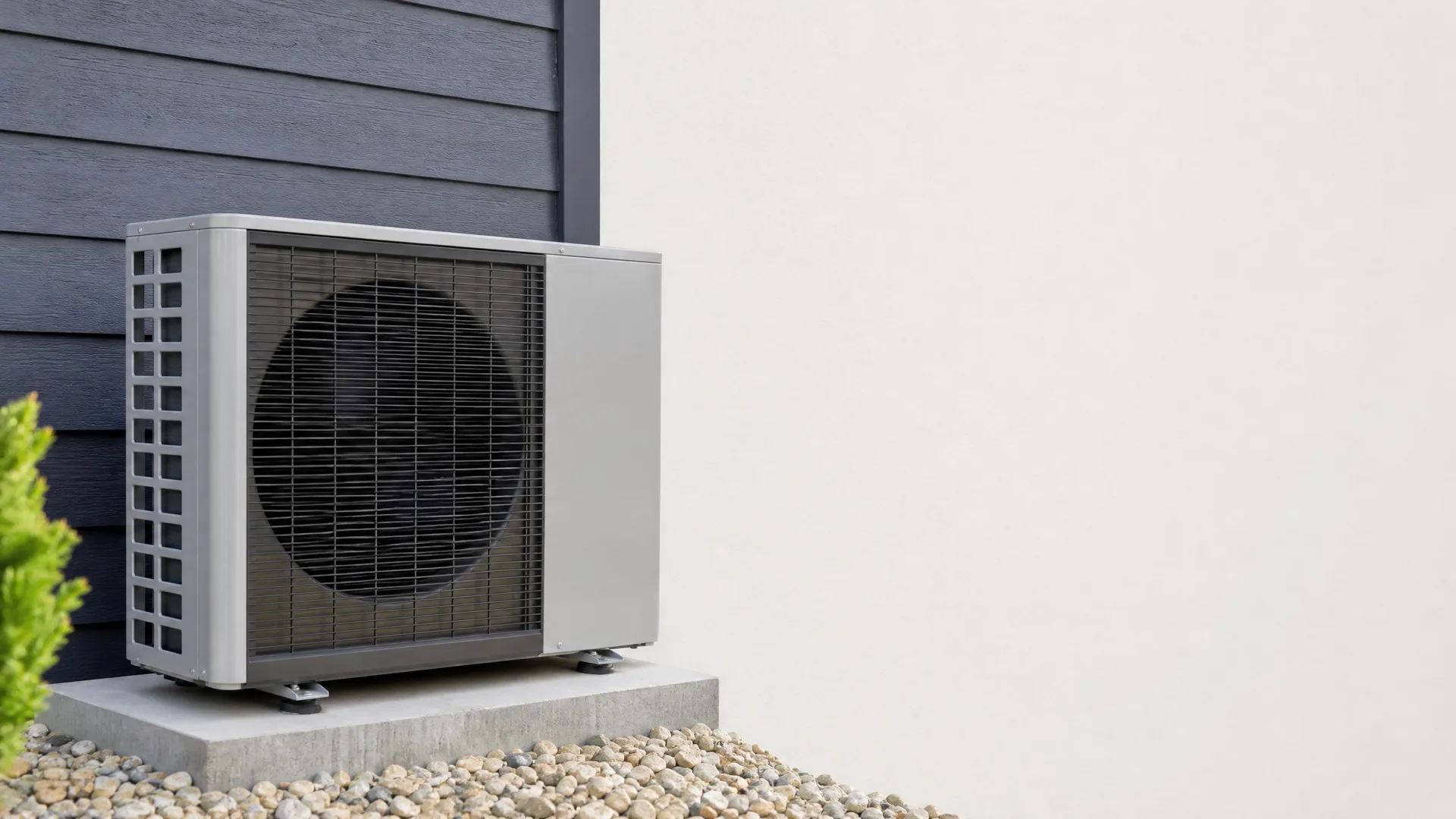
An outdoor air-source heat pump unit on a concrete pad beside a dark horizontal-board wall and a plain light-coloured wall, with gravel and a small green shrub in the foreground.

Running it on the thermostat

Switching the system off or down at the thermostat does not touch the ice already on the coil. The unit sits there iced over until something melts it, and in the meantime a heat pump that can't finish a defrost cycle will often drop into backup electric heat to keep the house warm, which costs more to run. Nothing gets diagnosed, and if the cause is a bad sensor or a stuck reversing valve, it ices over again the next cold night.

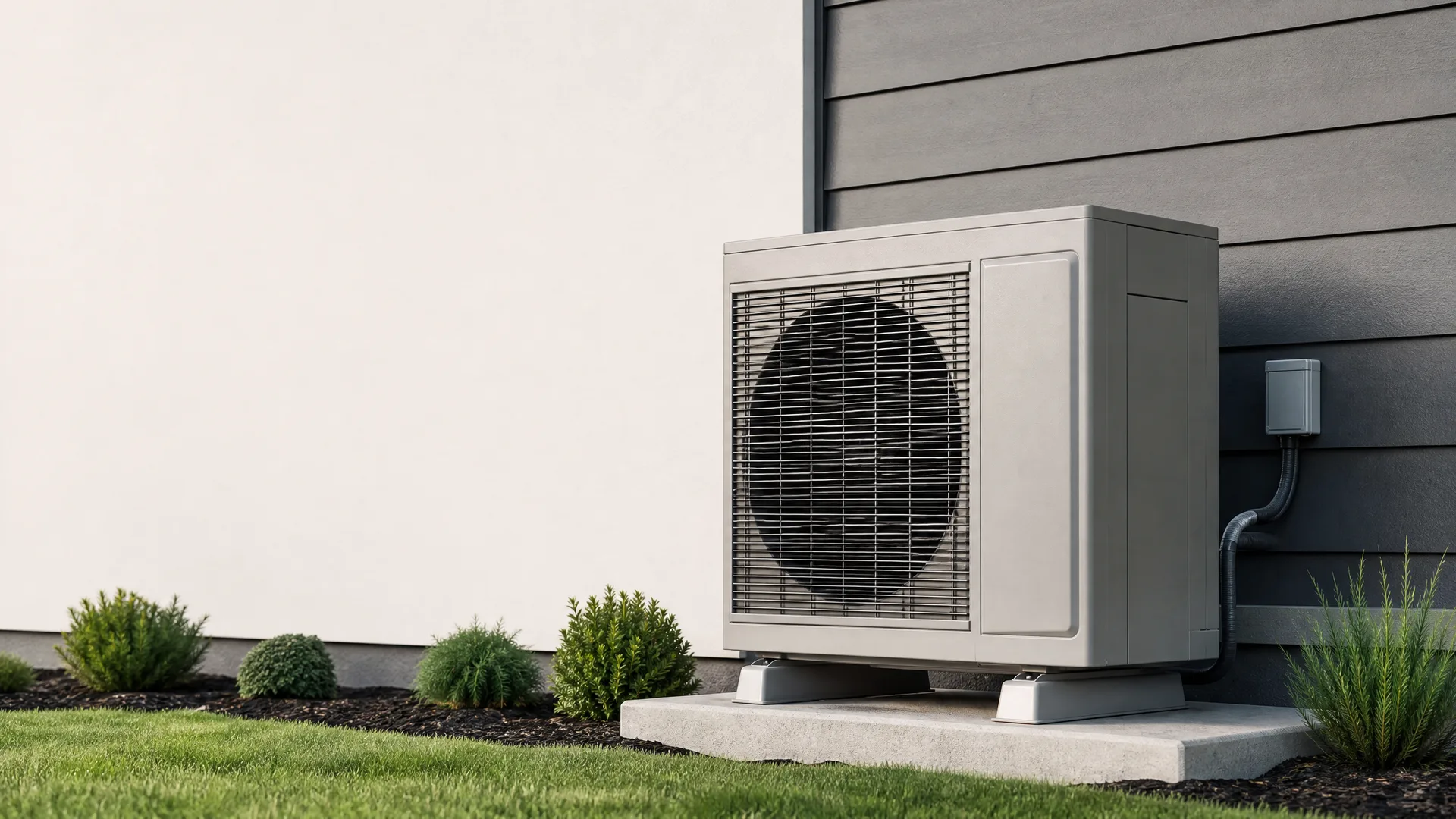
A light gray outdoor heat pump unit on a concrete pad beside a house with white stucco and dark horizontal siding, with a conduit running to a wall-mounted electrical box and small shrubs and lawn in front.

Having it looked at

A technician checks whether the defrost sensor, the control board or the reversing valve is the reason the coil iced over instead of clearing itself. Low refrigerant charge and a fan that's slowed down or stopped are two other common causes, and each one shows up differently on a service check. Once the actual cause is found and fixed, the unit goes back to clearing normal frost on its own, the way it's supposed to through the winter.

A woman in a cream sweater and jeans pushes open a wooden front door of a white stucco house with a tile roof, with a second person visible inside and lantern wall sconces on either side of the arched entry.

Why the reversing valve matters here

Defrost only works if the reversing valve actually shifts the system into cooling mode for those few minutes. That valve sends hot refrigerant out to the coil backward, which is what melts the ice from the inside. If the valve sticks, or the coil sensor never tells it to fire, the unit keeps running heat mode straight through a buildup it should have cleared hours ago. From outside, it looks the same either way: a fan spinning under a shell of ice. The difference is inside the valve body, and that's not something to find by looking at the unit.

A contractor who services heat pumps through a Lexington winter checks the valve, the sensor and the defrost board in that order, because a reversing valve that's failing partway shows the same symptoms as a bad sensor for the first day or two. Matching you with someone who already knows which of the three usually goes first on the equipment common around here means less time spent guessing and more time actually clearing what's frozen.

A light-colored ceramic vase holding green leafy branches sits on a round wooden table, with a wooden-framed armchair draped in a cream throw, a tripod floor lamp, and sheer curtains blurred in the background.

Power here costs 16.52 cents per kilowatt-hour

A heat pump that's icing over and leaning on backup electric heat gets expensive fast at 16.52 cents a kilowatt-hour, the average across Lexington County homes in 2025. A unit stuck defrosting runs longer to make the same heat, and electric backup costs more than the heat pump itself. Getting the defrost problem fixed keeps your bill from climbing with it.

EIA-861 2025

Getting your heat pump running right

  • Ice on the coil or fan means the defrost cycle can't keep up, and running the system longer only adds to the electric bill.
  • A frozen heat pump needs a technician to check the sensor, the reversing valve and the defrost control, not just time or a thermostat setting.
  • A local contractor who services heat pumps through Lexington County winters has seen this same freeze-up pattern many times before.
  • Working with one licensed, local contractor means a single technician looking at your system, not a string of calls from different companies.
  • Catching a stuck defrost cycle early keeps you off backup electric heat longer than you need to be on it.
  • Once the coil is clear and the real cause is fixed, your heat pump goes back to running the way it should through the rest of the winter.

A frozen coil is a symptom, not the problem itself. Something is keeping the defrost cycle from doing its job, whether that's a sensor reading wrong, a reversing valve that won't shift, or a control board that isn't timing things the way it should. None of that clears on its own, and none of it clears from the thermostat. It takes someone who can get to the coil, run the system through a defrost cycle, and watch what actually happens versus what's supposed to happen.

That's where a local contractor earns the call. Someone who works on heat pumps across Lexington County winters has already seen this same ice buildup more times than they can count, on the same kinds of systems, in the same cold snaps. They know what tends to fail first and what to check before they even get the panel off. You're matched with one licensed contractor, not a handful of companies competing for the job, so it's a single technician who looks at your system, figures out what's going on, and tells you straight what it needs.

Left alone, a stuck defrost cycle means more hours leaning on backup electric heat, and at Lexington County's rates that adds up fast. Fixed, your heat pump goes back to clearing frost the way it's supposed to and heating the way it did before the cold snap hit. The sooner the actual cause gets found, the sooner you're off backup heat and back to normal.

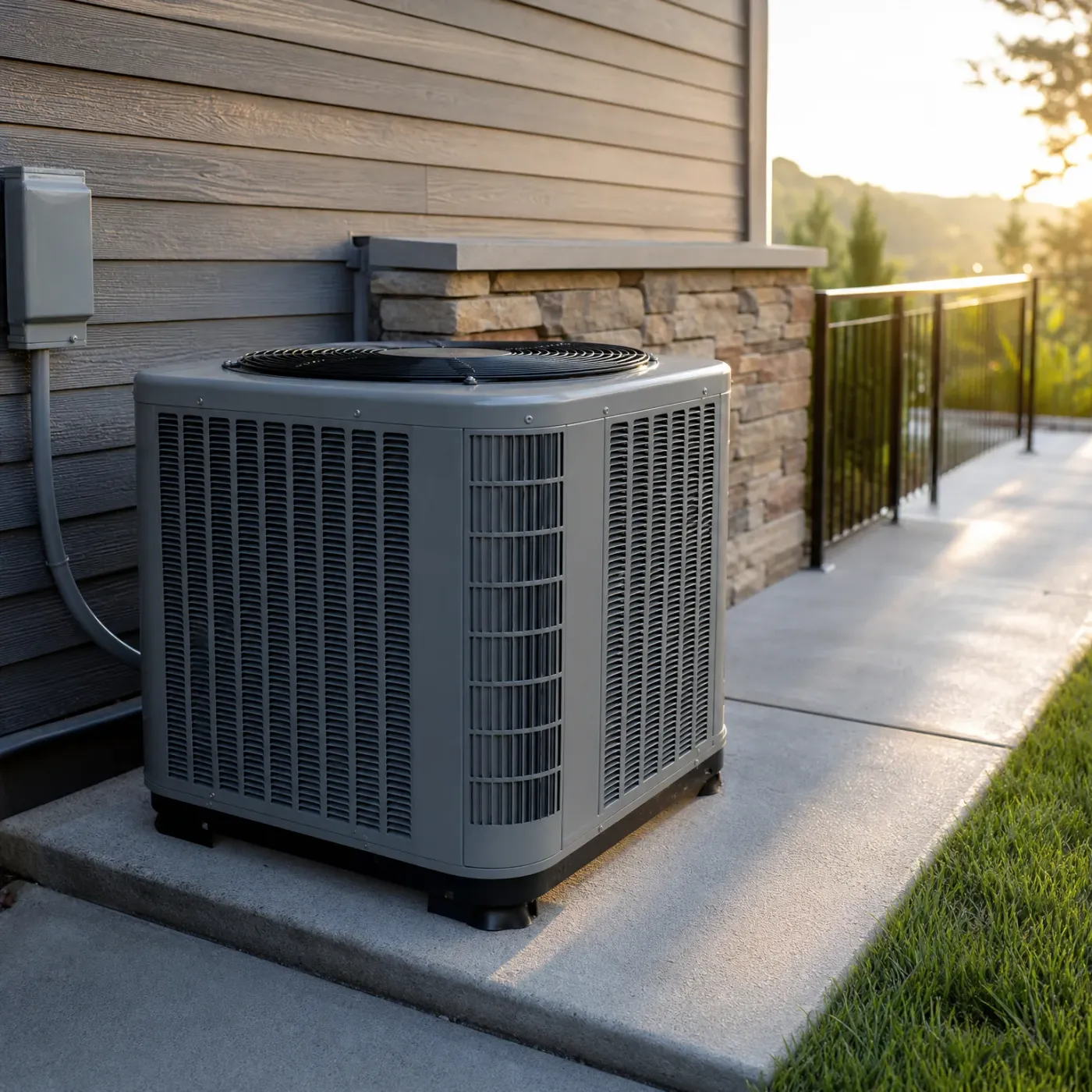
A gray outdoor air conditioner or heat pump condenser unit on a concrete pad beside a house with horizontal lap siding and a stone-faced wall, with a metal railing, lawn, and hills lit by low sun in the background.

Find a heat pump repair pro in Lexington County

Find a licensed heat pump pro

A licensed pro who works in Lexington County gets your request.

It costs nothing to send, and you don't have to hire anyone.