




White two-story houses with wraparound porches and Spanish moss-draped oak trees photographed along a residential street at night.

Heat Pump Repair in Chester, SC

Tell us about the job

Takes about a minute. No obligation.

RepairHeat PumpChester County, SC
Step 1 of 2

What ZIP code is the job in?

Most heat pump failures trace back to a handful of usual suspects. The reversing valve sticks and the system gets stuck in one mode, blowing cold air when it should be heating. A low refrigerant charge, from a slow leak, makes the unit run long and still fall short of the set temperature. Outside, the defrost control board can fail, so frost builds up on the outdoor coil and chokes off airflow until the unit can't pull heat from the air at all. Capacitors wear out and weaken the start on the compressor or the fan motor, and you'll hear it struggling or humming instead of kicking on clean. A dirty outdoor coil does the same kind of damage over time, just slower, forcing the system to work harder for less heat.

5 months
November through March, your system heats
5 months
May through September, it cools
33°F
the average winter night it heats against
89°F
the average summer afternoon it cools against
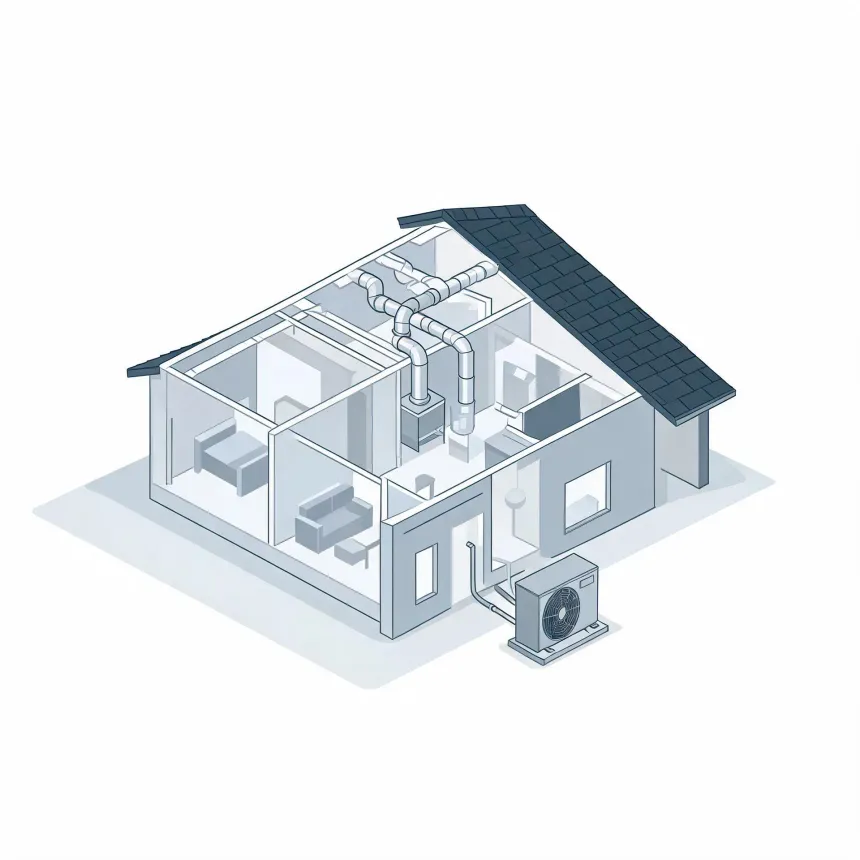
Isometric line illustration of a cutaway house showing interior rooms with furniture, ceiling ductwork connected to an indoor air handler, and an outdoor condenser unit linked by refrigerant lines.
Your system heats November through March and cools May through September.

NOAA nClimDiv, 1991–2020 normals

Half the homes in Chester County were built in 1980 or earlier.

A heat pump doesn't last as long as the house does, so the one in an older home has likely been swapped out at least once already, parts and all.

November here finds the weak part of the system first

Cooling runs May through September
Heat runs November through March
Power costs 14.23 cents a kWh statewide

A tech who knows this climate knows which parts to check first. The system isn't working against heavy strain here, so a failure is less likely to come from the compressor being run into the ground and more likely from a part that wore out on its own or a service that got skipped somewhere along the way. That's the kind of thing worth finding out before anyone talks about a new system. Get the actual diagnosis first. Most of the time it's one part, not the whole unit.

Get the usual fix

Nothing about this area is especially hard on it. It's most likely the usual problem with the usual fix.

Find a contractor
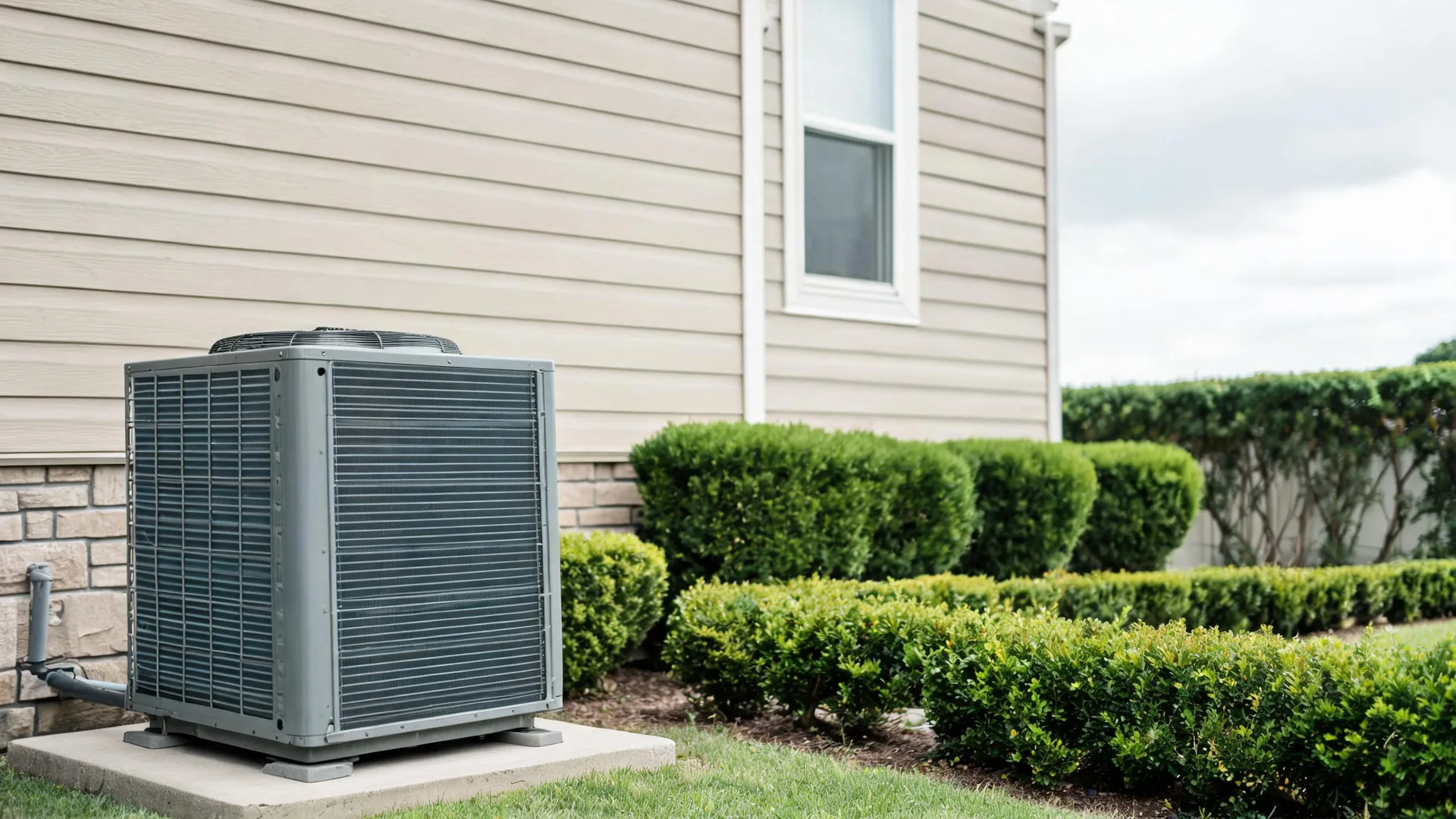
A gray heat pump outdoor unit mounted on a concrete pad next to the stone-accented exterior wall of a house.

The hours on this unit are mostly easy ones

Watch this one across a full day and most of what you see is the outdoor fan working the heat of the air, not a defrost cycle fighting ice. That's the job here most of the year. A system that's logged time this way instead of grinding through hard freezes is usually still sound underneath, which is worth knowing before you decide a repair isn't worth the call.

What you can check at the thermostat

Set it to heat and raise the target above room temperature. The outdoor unit should start up and run, and the air from the vents should turn warm once it's been going a while. If the indoor blower runs but the air stays cool, or the outdoor unit never starts at all, that's a sign for a tech to look at rather than something to chase down yourself.
What's safe to look at outside

Walk out to the outdoor unit and clear anything blocking it, leaves, mulch, a shrub grown in close, anything closing off airflow around the sides. Look at the coil fins for a heavy coat of dirt or ice. A light frost in cold weather can be normal, but if the coil is caked in ice or the fan isn't turning, shut the system off at the thermostat and call someone instead of trying to clear the ice yourself.

Most of the time the heat pump tells you something's wrong before it quits outright. The air coming from the vents turns lukewarm instead of warm, or the system runs a long time without the house ever feeling caught up. You might hear it short cycling, kicking on and off every few minutes instead of running a steady stretch. A hissing or bubbling sound near the lines usually points to refrigerant escaping somewhere it shouldn't. Ice on the outdoor coil that doesn't melt off on its own, or a fan out there that's not spinning while the unit is running, both mean airflow or the defrost cycle has stopped doing its job. Any of these is worth a call rather than waiting to see if it clears up on its own, since a heat pump rarely fixes itself and usually just works harder until something else gives out.

A diagnostic starts outside at the unit itself. A tech checks refrigerant pressures on both the high and low side. That reading alone points toward a leak, a bad valve, or a compressor losing its ability to pump. Capacitors get tested under load, not just looked at, since a capacitor can look fine and still be too weak to start a motor. The reversing valve gets checked in both heating and cooling to see if it's actually switching or just stuck. Airflow gets measured too, indoors and out, because a dirty coil or a weak blower can mimic a refrigerant problem and send a repair down the wrong path. The goal by the end isn't just naming what failed. It's making sure nothing else is about to fail right behind it.