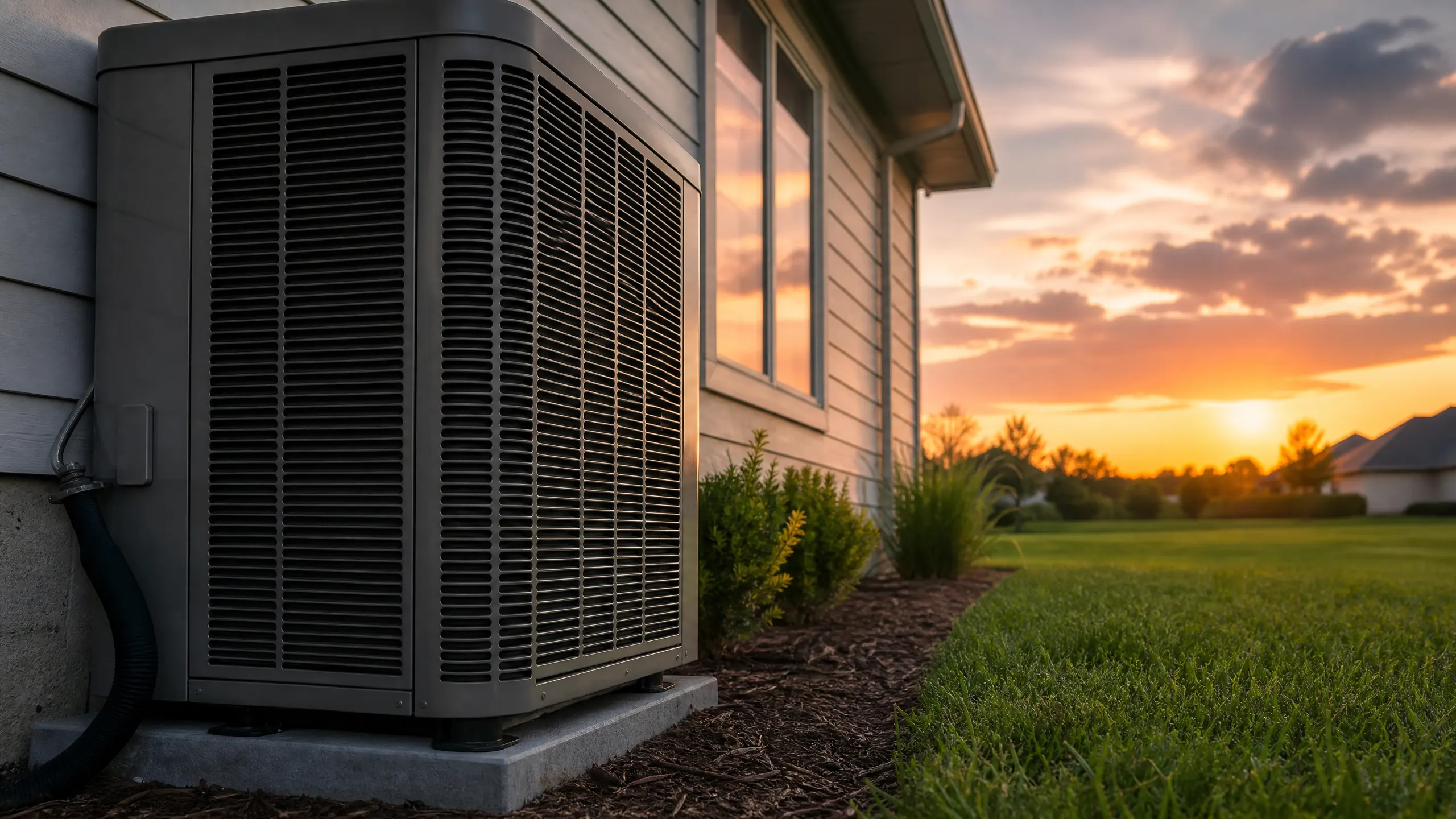
An outdoor air conditioning condenser unit mounted on a concrete pad beside a house at sunset.

Heat Pump Repair in Easley, SC

Tell us about the job

Takes about a minute. No obligation.

RepairHeat PumpPickens County, SC
Step 1 of 2

What ZIP code is the job in?

A small fault can take out a bigger part

A refrigerant leak starves the compressor of the flow it needs to cool itself, and a compressor that overheats can seize for good. A failing run capacitor makes the compressor or fan motor strain to start, and that strain wears the motor down. The heat pump keeps running while this happens, so the damage spreads to parts that were fine when the trouble started.

Ice is a sign something downstream needs attention

A little frost on the outdoor coil during a defrost cycle is normal. A coil that stays covered in ice means airflow or refrigerant charge is off, and running the unit this way packs the ice in thicker. Thick ice blocks the coil from doing its job at all, and it can bend the fins or crack the lines around it as it builds.

7 months
October through April, your system heats
5 months
May through September, it cools
33°F
the average winter night it heats against
87°F
the average summer afternoon it cools against
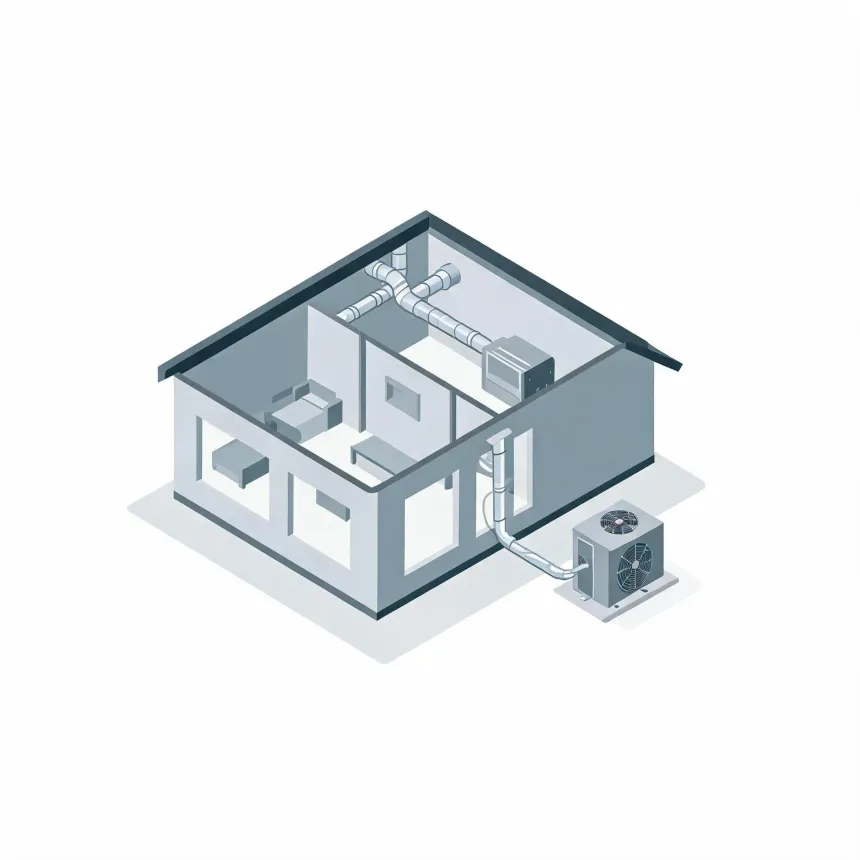
Isometric illustration of a cutaway house showing interior rooms, ceiling ductwork and an air handler, connected by lines to an outdoor condenser unit on a pad beside the building.
Your system heats October through April and cools May through September.

NOAA nClimDiv, 1991–2020 normals

Easley winters are short and mild, so a heat pump here is not working hard most of the year.

A heat pump that hasn't been under heavy strain is usually a good candidate for repair instead of replacement.

October is when a weak part finally gets tested

Cooling runs May through September
Heat runs October through April
69 damaging wind events from 2015 to 2024
Easley's homes are newer than mostHalf the homes in Pickens County were built in 1989 or later.

Before anyone comes out, check the thermostat is set to heat and the temperature is actually above room temperature. Walk over to the outdoor unit and look at it. The fan should be spinning, and the coil shouldn't be caked in ice. Check the circuit breaker, since a tripped breaker will shut the whole system down and won't always announce itself. Look at the air filter too. A filter clogged with dust chokes airflow, and a heat pump starved of airflow will struggle to heat the house even if nothing else is wrong. If the system is running but blowing air that doesn't feel warm, that's worth mentioning to whoever comes out, since it points toward the refrigerant side rather than something simple.

Light duty most of the year means repair is usually the right call

A heat pump that's had an easy life is usually worth repairing rather than replacing. If yours is heating poorly or acting up, get it looked at and get a straight answer on what it needs.

Find a contractor
A white mini-split heat pump outdoor unit mounted on a concrete pad beside a gray-sided house, surrounded by gravel and green shrubs.

A newer system is worth fixing

If your heat pump came with the house and the house is newer, repair is the right place to start. Ask whoever comes out how much life the system has left before you consider anything bigger. A unit that still has years ahead of it is worth fixing when something goes wrong.

The visit starts with gauges, not guesses

Whoever comes out connects gauges to the system and checks refrigerant pressure on both sides, along with the temperature of the air coming off the indoor coil. That tells them whether the charge is right, whether the compressor is pulling its weight, and whether the reversing valve is actually switching when it's told to. Guessing from the sound a unit makes only goes so far. The gauges show what's really happening inside the lines.

Electrical checks come before anything gets taken apart

A multimeter on the capacitor, the contactor and the motor windings rules out or confirms the electrical side before any panel comes off. A capacitor can test weak long before it fails outright, and a motor can draw more current than it should while still spinning fine. Catching that early means a part gets replaced before it takes something bigger down with it.

Most calls start with the house not getting warm or the system making a noise it didn't used to make. A heat pump that runs constantly but never quite gets the house to temperature is often low on refrigerant or losing the fight against a dirty outdoor coil. A clicking sound when it switches between heating and cooling points at the reversing valve. A hard clunk or rattle at startup usually means a motor mount or a fan blade, not the part the sound seems to come from. A unit that shuts off a few minutes after it starts is often a sensor or control board problem rather than anything mechanical. None of these get better by waiting. A heat pump that's struggling still runs, so the strain keeps building on whatever's already weak.

Age and strain matter more than how something sounds to the ear. A heat pump that trips a breaker or blows a fuse isn't automatically in trouble. That's often just a part failing cleanly, the way it's supposed to when it fails. What's harder to come back from is a compressor that's been run low on charge for a long stretch, or a motor that's been allowed to strain against a failing capacitor for weeks. Those failures build on themselves. Someone looking at the system can tell you which kind of problem you have once they've got it open, and that's the point where repair or replacement actually gets decided, not before.