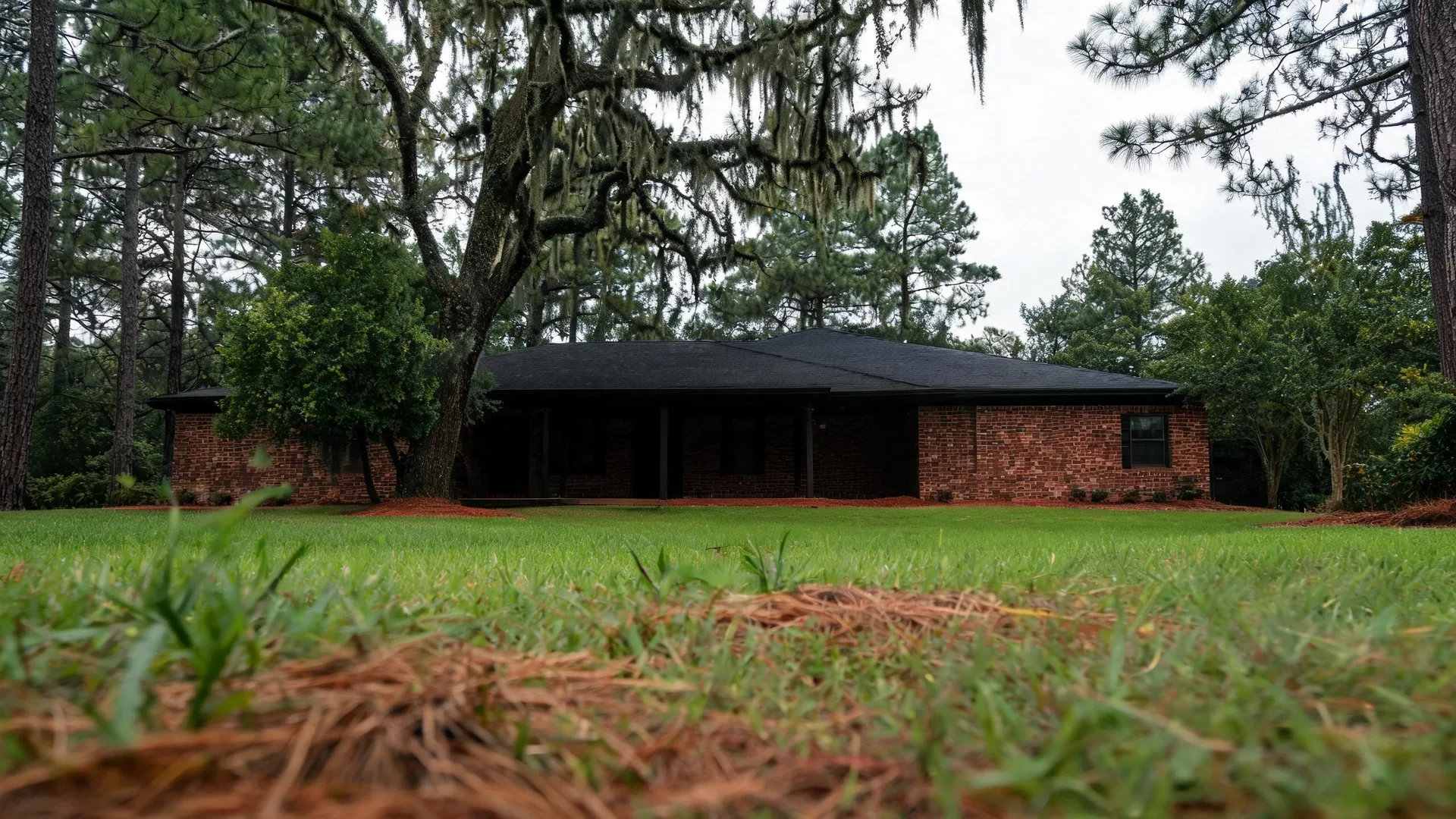
Single-story brick house with a dark shingled roof set behind a lawn and tall pine and moss-draped trees, photographed low to the ground with pine straw in the foreground.

Heat Pump Repair in Laurens, SC

Tell us about the job

Takes about a minute. No obligation.

RepairHeat PumpLaurens County, SC
Step 1 of 2

What ZIP code is the job in?

Blowing air that isn't warm or isn't cold

A heat pump that runs but puts out air close to room temperature often means the reversing valve is stuck or the refrigerant charge is low. The system isn't dead, but it's not moving heat the way it should, and it won't fix itself by running longer.


Ice building up on the outdoor unit

Some frost in defrost cycles is normal, but a coil caked in ice means the defrost control or a sensor has failed. Running it in that state stresses the compressor, so this one is worth getting looked at before it's run any longer.

5 months
November through March, your system heats
5 months
May through September, it cools
34°F
the average winter night it heats against
89°F
the average summer afternoon it cools against
Isometric grayscale illustration of a cutaway single-story house showing interior rooms, ductwork and an air handler, an exterior condenser unit connected by lines, and dark solar panels on the roof.
Your system heats November through March and cools May through September.

NOAA nClimDiv, 1991–2020 normals

A heat pump compressor costs more than most other repairs on the system.

If the compressor is still good, fixing what's around it is almost always worth doing.

Your heat pump earns its keep in October, and November is when a weak one gets found out

Cooling runs May through September
Heat runs November through March
59 damaging wind events from 2015 to 2024
Laurens heat pumps don't need anything unusual, just a timely fixZone 3A means long cooling months and a short mild winter, nothing this system wasn't built for

Laurens County logged 84 severe weather events between 2015 and 2024, and most of that was damaging wind. An outdoor heat pump unit sits outside through all of it, and wind-driven debris can bend the fins or crack a fan blade without stopping the unit from running. Hail dents a cabinet in ways you can see, but it can mark up a coil in ways you can't, not until it starts costing you capacity. If your unit took a hit and still seems to run fine, that's not proof it's fine. Have it checked anyway.

Get it looked at early

Problems tend to show up in the first weeks of the season, when the load hits a part that was already weak.

Find a contractor
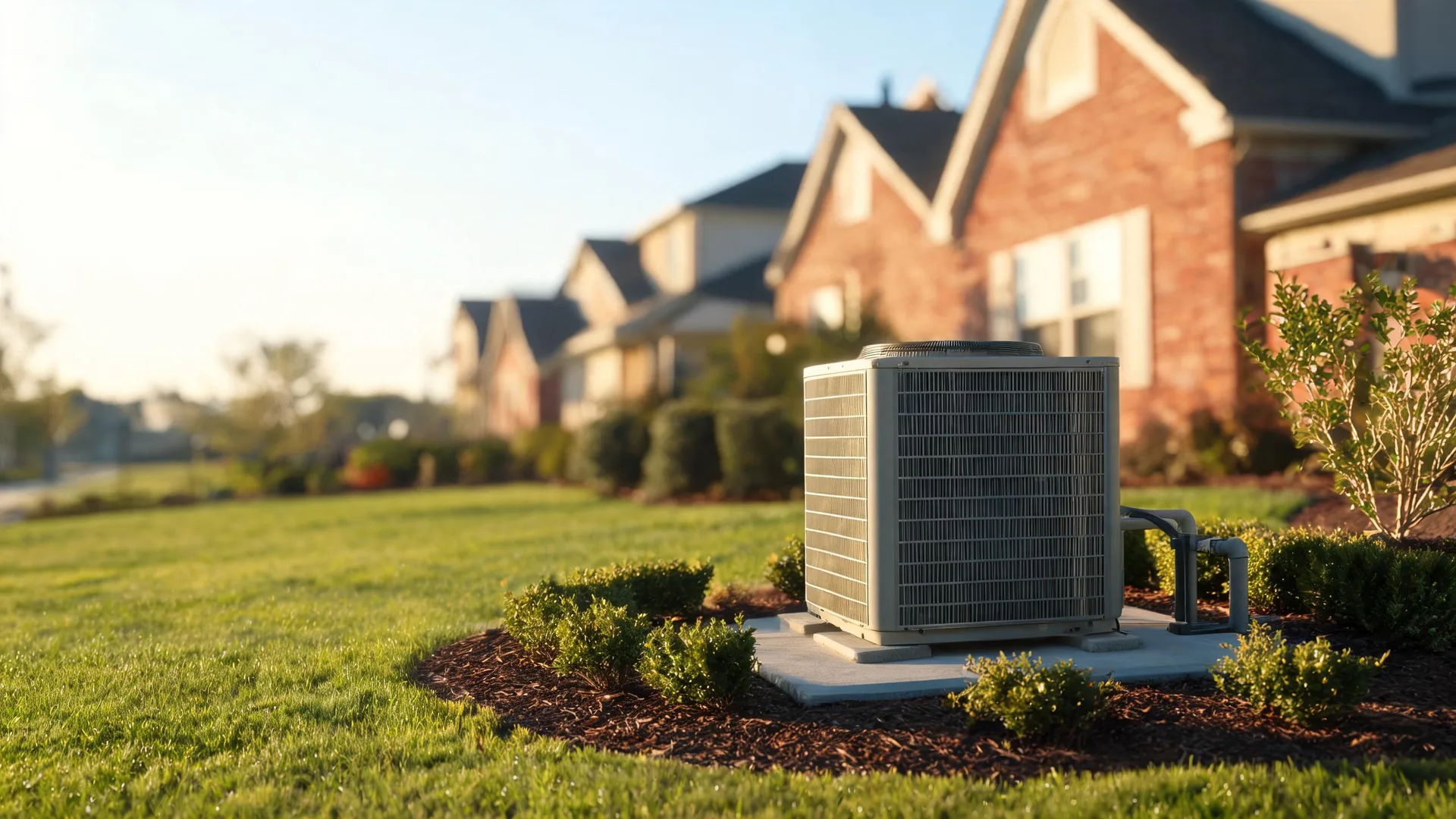
A gray heat pump outdoor unit mounted on a concrete pad next to a residential house with lap siding and stone accents.

It runs both directions, all year, and that's what wears it

A heat pump runs in both directions all year, so its parts wear differently than a furnace or an AC that only works part of the year. The reversing valve is usually the first thing to go, since it switches every time the system changes between heating and cooling and the seals inside it wear with every cycle. Contactors and capacitors wear from the sheer number of times the system starts and stops. Outdoors, the fan motor bearings and the coil take the long-term punishment, since that unit never gets a season to just sit still. Defrost board failures show up as ice that won't clear, and a failing sensor can send the system into defrost too often or not often enough. None of this means the unit is near the end. It means a heat pump has more hours on its moving parts than most other systems in the house, and the parts that switch it between modes are usually the first to complain.

A struggling compressor still has to run

If the reversing valve is stuck or the charge is low, the compressor keeps working to move heat it can't deliver. It draws the same power, runs the same cycles, and gets none of the relief a properly charged system gives it. Leave it running long enough in that state and the compressor is the part that fails next.

Ice does not stay put

A coil that's icing over because the defrost control failed only gets worse the longer the system runs. Ice blocks airflow across the coil, so the system pulls harder to do the same job, and that strain lands on the fan motor and the compressor both. What starts as a bad sensor can end as a seized motor if nobody shuts it off and calls it in.

Before anyone comes out, check the simple things. Look at the thermostat and make sure it's set to the mode and temperature you expect, since a setting bumped by accident looks exactly like a broken system. Check the breaker for both the indoor and outdoor unit, since a tripped breaker will stop the whole thing cold with no warning. Pull the filter and hold it up to a light. If you can't see through it, swap it, because a clogged filter starves the system of airflow and can look like all sorts of other problems. Walk outside and look at the unit itself. If the outdoor fan isn't spinning, or the coil is buried in ice outside of a normal defrost cycle, turn the system off at the thermostat and let it sit rather than running it that way.

A diagnostic visit starts with questions, not tools. A tech wants to know what the system is doing, when it started, and whether it happens in heating mode, cooling mode, or both. Then comes the gauges, checking refrigerant pressures on the high side and the low side, because that shows whether the charge is right and whether the compressor is moving refrigerant the way it should. The reversing valve gets checked directly, since a valve stuck partway can look like all sorts of other problems. Electrical readings come next. Amp draw on the compressor and fan motor, voltage at the contactor, resistance on the capacitor. Each reading rules something in or out. By the time the tech is done, they can point to the one part that's actually failing instead of swapping parts and hoping.