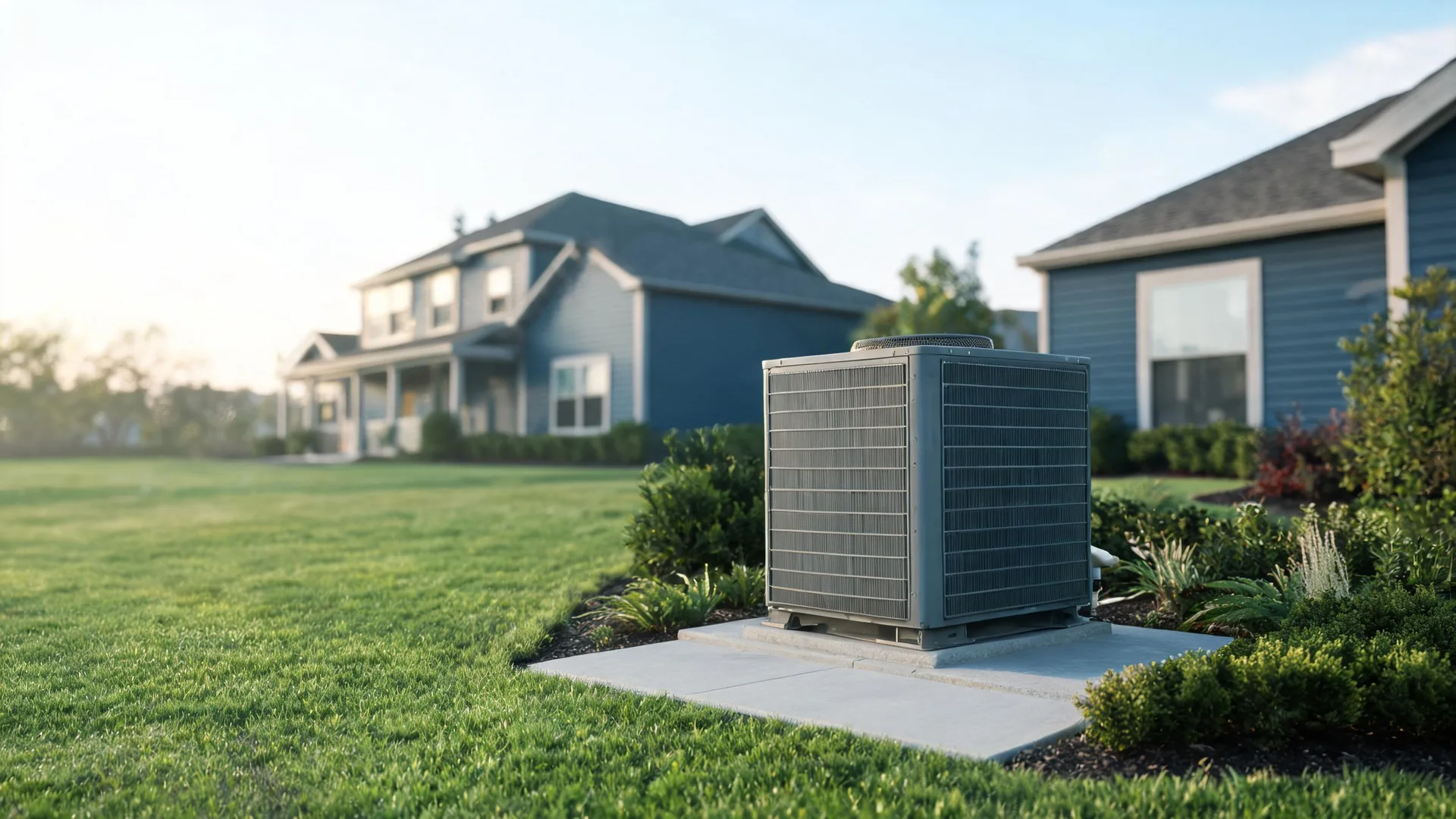
Weather here is hard on outdoor units
Newberry County recorded 231 severe weather events between 2015 and 2024, with damaging wind the most common. A heat pump's outdoor unit sits outside through all of it, exposed to wind-blown debris and hail.
Takes about a minute. No obligation.
Newberry County recorded 231 severe weather events between 2015 and 2024, with damaging wind the most common. A heat pump's outdoor unit sits outside through all of it, exposed to wind-blown debris and hail.
A bent fin or a cracked fan blade can run for weeks before the unit fails outright. If your outdoor unit has taken a direct hit from hail or flying debris in the last few years, it's worth having someone look at the coil and the fan before it stops working on its own.
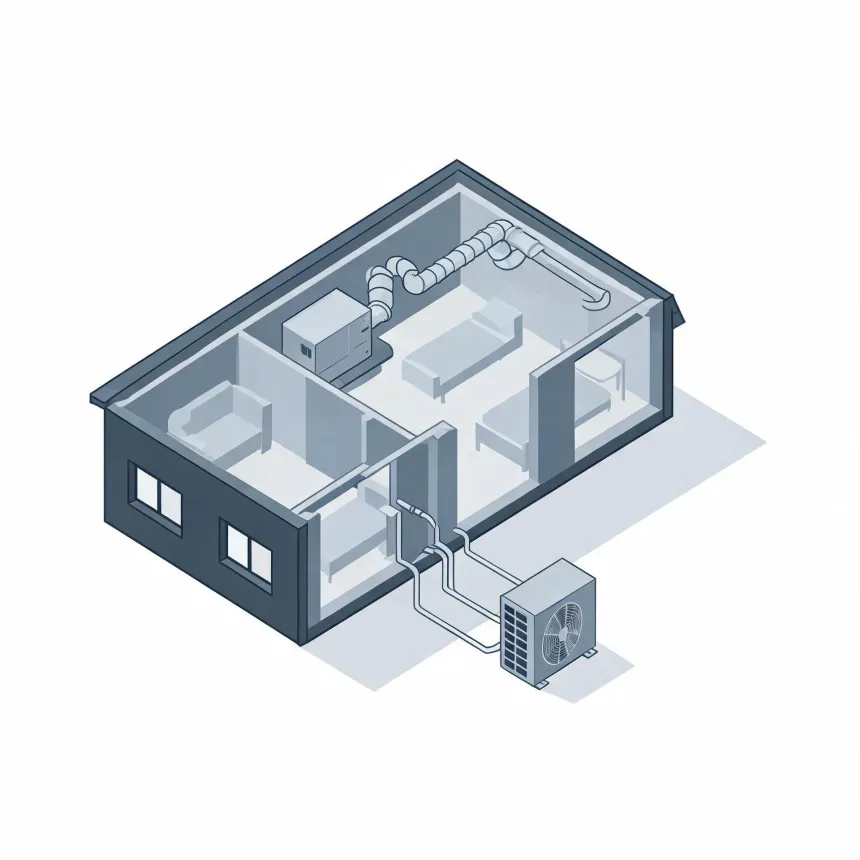
NOAA nClimDiv, 1991–2020 normals
Heat pumps in Newberry County switch over to heat in November, after sitting idle all summer.
A weak part often makes it through five idle months, then gives out in the first cold snap of November.



Newberry County saw damaging wind 189 times between 2015 and 2024, out of all the severe weather that hit the area. That's a lot of gusts and flying debris for an outdoor unit to sit through, year after year. The strain adds up slower than a single storm would, wearing down a fan motor or a coil bit by bit instead of all at once. When a heat pump starts short cycling or the air coming out isn't quite warm enough, that kind of slow wear is often part of what's going on. It's worth having someone trace the actual cause instead of just resetting the system, so the fix holds.
If your outdoor unit took a hit from hail or debris at some point and seems fine now, that's worth confirming, not assuming. A bent fin or cracked blade can keep running for weeks before it fails outright. Get the coil and fan checked before that happens.
Find a contractor
A heat pump here runs for most of the year, with the outdoor unit sitting outside through all of it. Wind hit Newberry County 189 times between 2015 and 2024, and the unit took every one of those straight on. A bent fin or a stressed fan mount from any one of those gusts won't stop the system right away. It just wears it down a little further each time. If yours is cycling oddly or not keeping up, ask whoever comes out to check the coil and the fan mount for wind damage, not just reset the thermostat.
A heat pump low on refrigerant makes the compressor work harder to move the same amount of heat. Run it like that for weeks and the compressor overheats, and a compressor is the one part worth replacing the whole unit over.
A heat pump defrosts itself on a timer, melting off any frost that builds up in the cold. If that defrost cycle isn't working right, ice keeps building instead of clearing, and a thick layer blocks the airflow the coil needs to work at all. The longer it runs iced up, the harder the fan motor works to push air through it.
Before calling anyone, look at the outdoor unit itself. Check that it's not caked in ice, that leaves or grass clippings aren't packed against the coil fins, and that nothing is sitting on top of it blocking airflow. Inside, swap the air filter if it's dirty, a clogged filter chokes the system and can mimic a much bigger problem. Check your thermostat is set to heat and the batteries aren't dead. At the breaker panel, look for a tripped breaker on either the indoor air handler or the outdoor unit, and reset it once if it's thrown. If the system is running but blowing air that feels cool rather than warm, that can be normal for a heat pump during defrost, so watch it for a few minutes before assuming the worst. None of this fixes a bad compressor or a refrigerant leak, but it rules out the simple stuff first, and it gives whoever comes out a clearer picture of what you've already tried.
A diagnostic visit starts outside at the unit itself, not on the phone. Whoever comes out will check refrigerant pressure, test the capacitor and contactor, and look at the compressor's amp draw against what it should be pulling. They'll pull the access panel on the air handler and check the coil for ice or dirt, since either one chokes airflow the same way. They'll run the system in both directions, heat and defrost, because a heat pump that heats fine but won't defrost has a different problem than one that won't switch over at all. Most of this gets done with gauges and a multimeter, not guesswork. By the end they can usually point to the one part that's actually failing, rather than guessing from the symptoms alone.