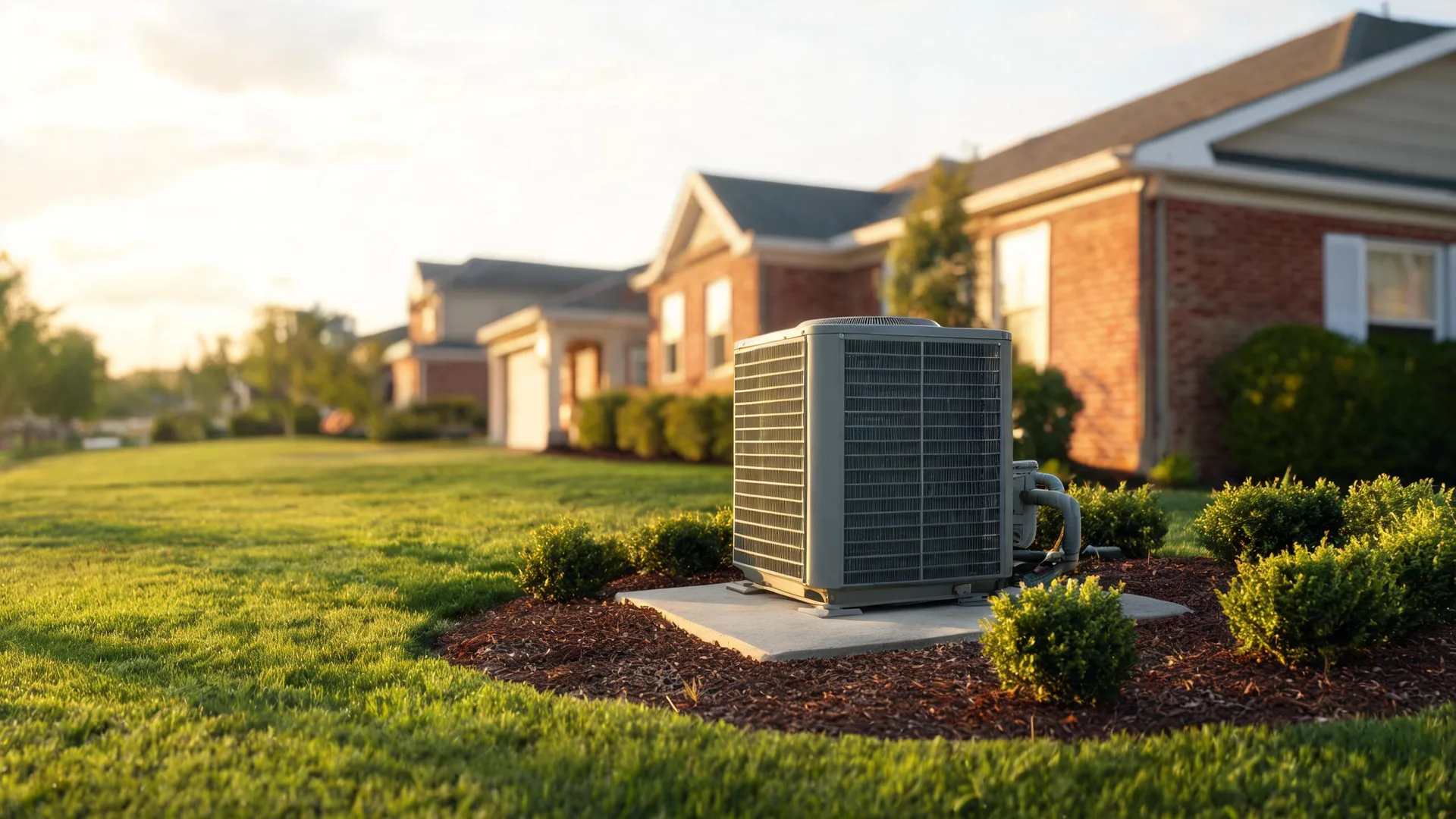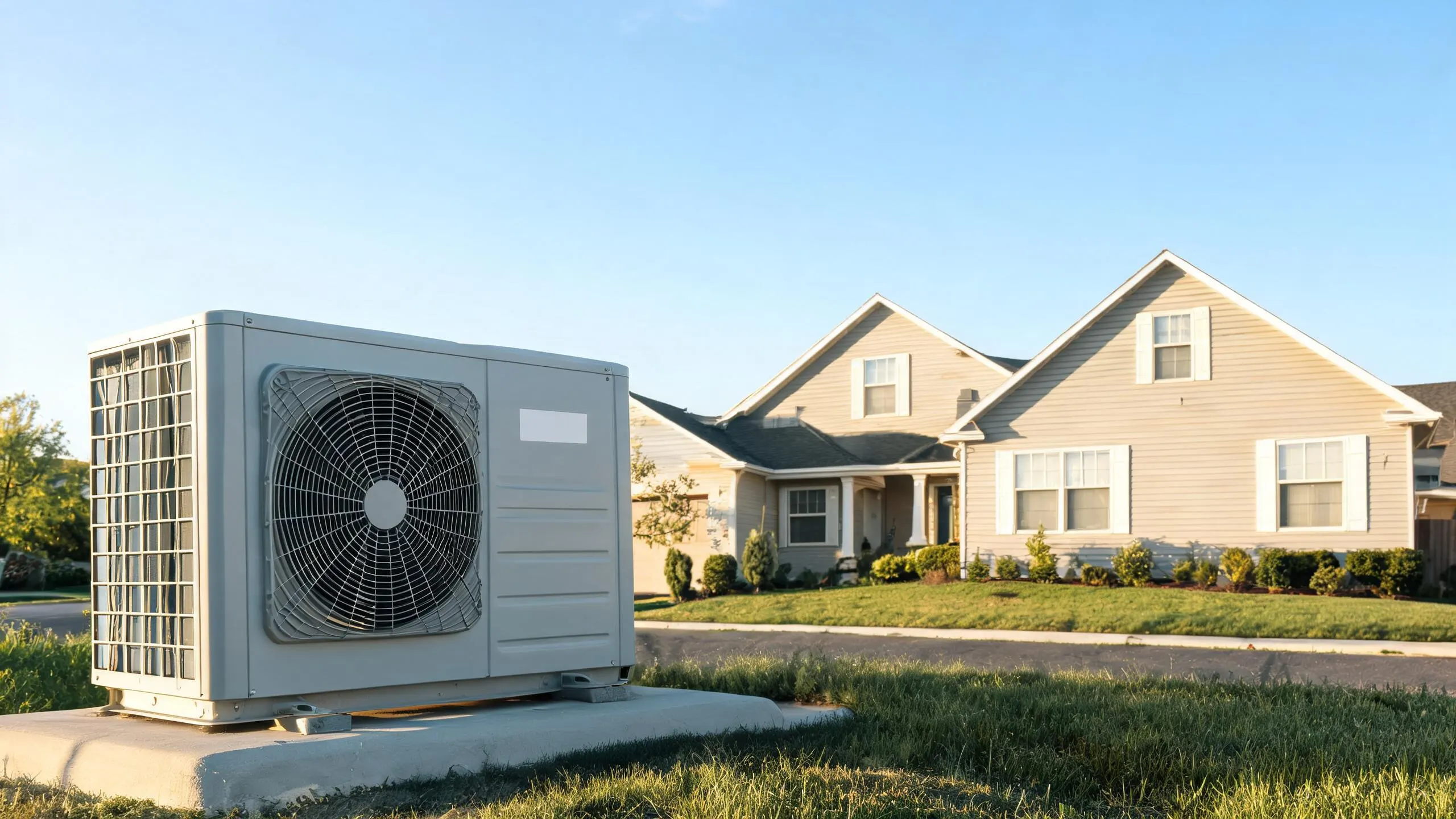
An outdoor heat pump unit mounted on a concrete pad in front of a two-story suburban house.

Heat Pump Repair in Summerville, SC

Tell us about the job

Takes about a minute. No obligation.

RepairHeat PumpDorchester County, SC
Step 1 of 2

What ZIP code is the job in?

Air that isn't warm or isn't cold

A heat pump blowing air that feels barely different from room temperature usually means the reversing valve is stuck or the refrigerant charge is low. It won't fix itself, and running it this way can push the compressor toward failure.


Ice building up on the outdoor unit

Some frost in defrost mode is normal. A thick coat of ice that doesn't clear, or ice showing up outside of a defrost cycle, points to a failed defrost control or a fan motor that's stopped pulling air across the coil. Get it looked at before the compressor takes the damage.

5 months
November through March, your system heats
6 months
May through October, it cools
38°F
the average winter night it heats against
91°F
the average summer afternoon it cools against
Isometric illustration of a cutaway single-family house showing interior ductwork and an air handler, with an outdoor condenser unit connected by lines along the exterior wall.
Your system heats November through March and cools May through October.

NOAA nClimDiv, 1991–2020 normals

Heat pumps in Dorchester County switch over and start heating in November.

October is when a weak part gets found, before the first cold night asks the system to work.

Half the homes here were built since 2000, and most heat pumps still have years left in them

Half the homes here were built by 2000
227 damaging wind events from 2015 to 2024
44 hail events from 2015 to 2024

A heat pump works harder than a regular AC system because it runs both directions, and a few parts take the brunt of that. The reversing valve switches the system between heating and cooling, and every switch asks it to move and seal again. Over time the seals wear and it starts sticking halfway, which is why you'll feel air that's neither one nor the other. The compressor rarely fails on its own. Usually it's been running low on charge or fighting a weak capacitor for a long stretch before it finally gives out. The outdoor fan motor sits outside all year, and when its bearings wear down the coil stops getting the airflow it needs, which pushes heat and pressure up on everything behind it. A dirty outdoor coil causes the same problem from a different angle, starving the system of air until some other part takes the strain. None of this fails on a schedule. It fails from being asked to cover for whatever already went wrong.

Get it looked at early

Problems tend to show up in the first weeks of the season, when the load hits a part that was already weak.

Find a contractor
A residential heat pump outdoor unit mounted on a concrete pad next to a house with gray vinyl siding.

A newer system is still worth fixing

If your heat pump came with a newer build here, repair is the right call before replacement. A stuck reversing valve, a weak capacitor, a fan motor on worn bearings, these get fixed on their own. None of them mean the system is at the end of its life. Get the part diagnosed and let that drive the decision, not the sound the system is making.

A weak part passes its load to the next one

The compressor was built to move heat, not to cover for a stuck reversing valve or a low charge. When another part falls short, the compressor runs longer and harder to make up the difference. That extra strain shows up as heat, and heat wears down a compressor faster than normal running ever would.

Waiting turns a repair into a replacement

A failing fan motor or a dirty coil starves the system of airflow, and the compressor behind it takes the hit. Caught early, these are a part swap. Left alone, the compressor can go, and a heat pump doesn't run without one.

Before anyone comes out, check the thermostat first. Make sure it's set to heat or cool as needed and the temperature is actually set past room temperature, not sitting right at it. Next, look at the outdoor unit. Clear away leaves, mulch or anything else blocking the sides, and check whether ice or snow has built up on the coil. Inside, pull the air filter and hold it up to the light. If you can't see through it, it's choking off airflow and that alone can make a heat pump struggle to heat or cool properly. Walk around the house and check that the supply vents are open and nothing is sitting in front of them. If the system is running but the air just feels off, these checks won't fix a stuck reversing valve or a failing capacitor, but they rule out the simple stuff first.

A part that can be swapped out is worth swapping, and most of what fails in a heat pump falls in that category. A reversing valve, a capacitor, a defrost control board, a contactor, these are standalone parts with a standalone fix, and replacing one doesn't touch the rest of the system. What changes the math is the compressor. It's sealed into the system in a way the other parts aren't, and swapping it costs enough that it gets weighed against starting over with new equipment. Age matters here too, but not on its own. An older system that needs a capacitor is still worth fixing. The harder call comes when an older system needs the compressor, because now you're paying a large repair bill on equipment that was already closer to the end than the beginning. A tech can tell you which kind of problem you have. What you want to avoid is guessing, because a stuck valve and a dying compressor can sound almost the same from inside the house.