Left on a reset loop
Every time you reset it and it trips again, the compressor takes another hard hit. Keep it up through a hot stretch and you're looking at a bigger repair, or a dead compressor.
 Let a pro reach out
Get the air conditioner repair search off your mind today.
A breaker that trips every time your AC kicks on is telling you something is wrong, not asking you to flip it back and hope. In a South Carolina summer, that's not a small inconvenience. The air gets thick fast once the unit quits, and it keeps quitting until the real problem gets found.
A few things cause this. A capacitor that can't start the compressor anymore. A compressor drawing more current than it should because it's wearing out. A dirty condenser coil making the whole system work harder than the circuit can handle. Loose or damaged wiring at the disconnect. Some of these are quick fixes. Some mean the compressor itself is on its way out. You won't know which until someone who works on these systems every day takes a look.
Figuring that out yourself means guessing, and guessing with a breaker that keeps tripping risks more damage to a system that's already struggling. Finding the right person usually means searching around, calling a few places, explaining what the unit is doing each time, then doing it again for the next contractor until someone can actually come out. That's hours you don't have when the house is heating up room by room.
Send the request here and that search is done. You stop being the one who has to track down a contractor, compare who's available, and repeat the story of what your AC is doing every time you pick up the phone. That part is off your plate once the form goes in.
What's left is the part that actually matters: someone licensed in South Carolina looking at your specific unit, your specific breaker, and telling you what's actually wrong with it.
A breaker that trips when the AC starts is usually the compressor drawing more current than the circuit can handle. That happens when the compressor is working harder than it should, often because of a capacitor that's weak, a contactor with pitted contacts, or a refrigerant charge that's off. Dirt packed into the outdoor coil makes the compressor strain too, since it can't shed heat the way it needs to. Any of these can pull enough extra amperage to trip the breaker, and running the system over and over against that strain is how a compressor burns out for good. In South Carolina, where the AC is running hard for months at a stretch, a unit in that state doesn't get a break to recover on its own. A breaker that keeps tripping needs a licensed contractor to find which part is pulling the extra load before the compressor itself fails.






A breaker that keeps tripping doesn't fix itself, and leaving it alone in a South Carolina summer means your AC is off for longer stretches each time. You can reset it once or twice, but if it trips again as soon as the compressor kicks on, that's the same problem repeating, not a fluke. Finding out which part is causing it means someone has to open the unit up and test the capacitor, the contactor, the wiring, maybe the compressor itself. That's not a guess you make from the thermostat. Instead of spending your afternoon calling around for an HVAC contractor, checking who answers, who's licensed, who can actually come out this week, you can send the request once and let that search be someone else's job. You still have a breaker that won't hold and a house getting warmer while you wait on it. Handing off the part where you track down who can look at it is the part you don't have to do yourself.
A breaker is sized to the circuit, not to the AC unit, and it trips at its rated amperage no matter how many times you reset it. If the compressor is pulling more current than that rating, the trip will happen again the next time it starts.
That's why resetting it a third or fourth time doesn't change the outcome. The compressor is still drawing the same high current, so the breaker does the same job it's built to do.


Every time you reset it and it trips again, the compressor takes another hard hit. Keep it up through a hot stretch and you're looking at a bigger repair, or a dead compressor.
Instead of spending your evening on hold with contractors or waiting on callbacks, a licensed tech finds the part causing the trip and fixes it.


At 15.12 cents per kilowatt-hour, a compressor pulling extra current to fight a bad capacitor or a dirty condenser shows up on your bill as well as your breaker box. Fixing what's making it strain stops both problems at once.
EIA-861 2025 statewide residential average

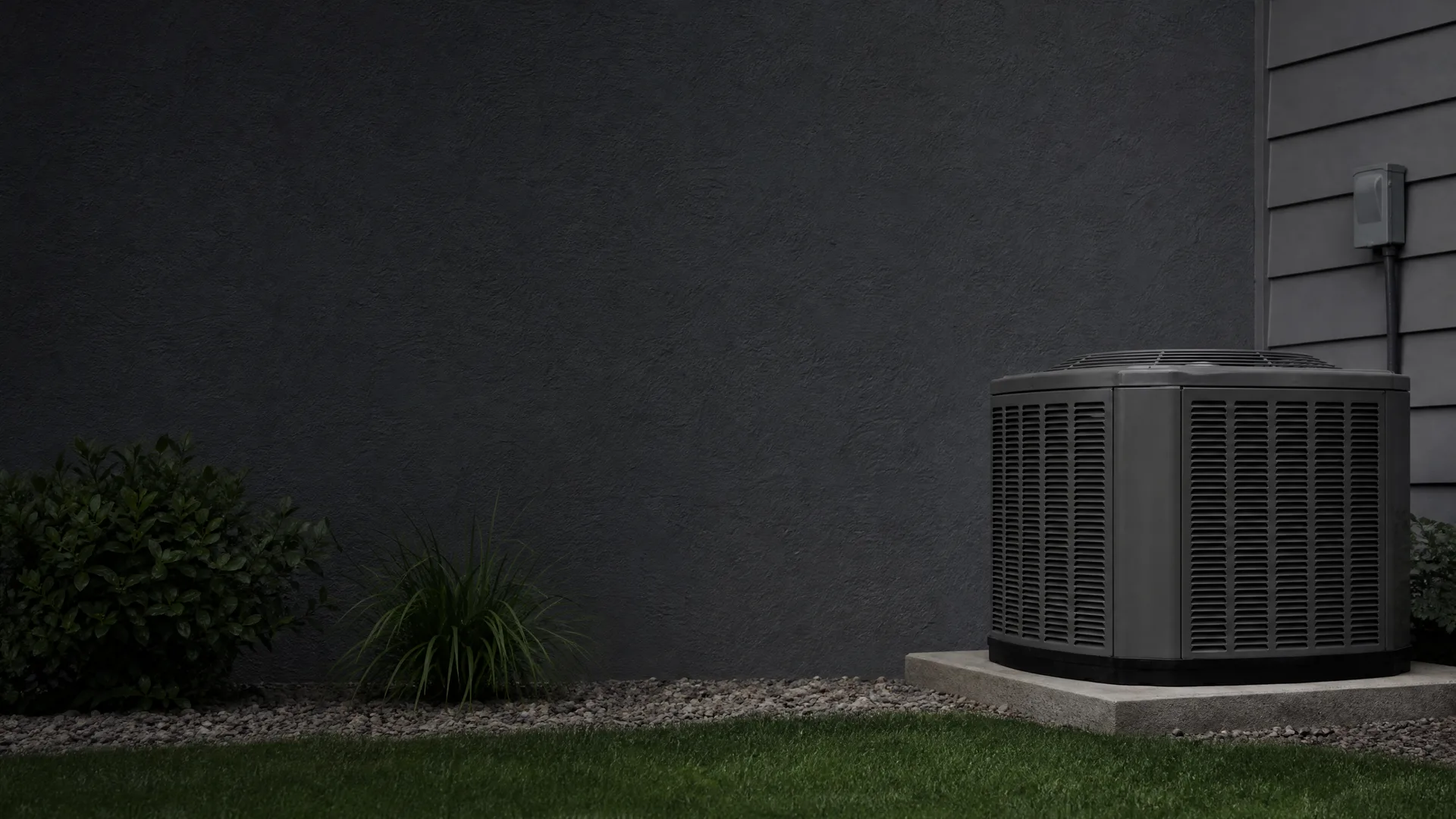
This is what a condenser looks like when it isn't fighting anything. The coil fins are clear, the lines run straight to the disconnect, and the compressor starts without pulling extra current to force its way through a cycle.

Caked fins like these trap heat the unit has to shed before the compressor can rest. Every start works harder than it should, and on a hot South Carolina afternoon that extra draw is what sends the breaker tripping.

A tripping breaker means the compressor is pulling more current than the circuit is rated for, and that almost always traces back to a weak capacitor, a bad contactor, or a condenser caked with grime. Resetting it buys you nothing if the cause is still there. The trip happens again the next time the compressor tries to start, and each hard start wears on it a little more.
Instead of working through a list of local contractors, waiting on callbacks, and explaining the same breaker problem to every one of them, you can send the details once. A licensed contractor takes it from there, checks the capacitor, the contactor, and the condenser coil, and tells you which one is making your compressor work too hard. You're left knowing what's wrong and who's handling it, instead of guessing in a hot house.

One form replaces the calls you'd make to find an air conditioner pro.