Why your AC won't turn on in South Carolina
Why won't my AC turn on at all?
It's summer in South Carolina, the house is already warm, and nothing happens when you bump the thermostat down. No hum, no click, no air. You want to know what's keeping it from starting before you decide what to do next.
Most likely a tripped breaker, a blown fuse, or a bad capacitor
A unit that does nothing, no click, no hum, no fan, is usually losing power before it ever gets the chance to start. That can be a tripped breaker at the panel, a blown fuse at the outdoor disconnect, or a capacitor that's worn out and can't give the compressor and fan motor the jolt they need. A thermostat with dead batteries or a setting that's off will look the same from where you sit. With South Carolina summers running hot for months at a stretch, the outdoor unit works hard, and components like capacitors wear out from that steady load. A licensed contractor can check the panel, the disconnect and the capacitor in one visit and find which one quit.
Check the breaker first
Your outdoor unit and your indoor air handler usually run on separate breakers in the panel. A tripped breaker will stop the whole system cold with no hum and no click. It can trip from a lightning strike, a surge, or a failing part pulling too much current. Flip it fully off before switching it back on. If it trips again right away, something inside the system is drawing too much power, and that's a job for someone to find and fix, not reset again.
The thermostat may be the problem
If the screen is blank, dead batteries or a tripped low-voltage fuse are common causes, and neither one means the outdoor unit itself has failed. Some thermostats run on batteries alone, others pull a small amount of power from the system's wiring. A thermostat that's lost its settings or won't respond to touch can leave a perfectly working AC with no command to turn on at all, which looks the same from the living room as a dead compressor.
Troubleshoot It or Call for Help
Call a contractor
- A licensed contractor who works on AC systems all summer in South Carolina knows which failures show up most in this heat.
- You explain the problem once, and the person who shows up already knows what you told them.
- One contractor comes out, so you aren't fielding calls from three or four companies at once.
- A thermostat with dead batteries, a tripped breaker, or a failed capacitor all look the same from your side, no hum and no air, but they need different fixes.
- If the problem is the capacitor, the contactor, or the condenser fan motor, those get tested and swapped with the right part on the truck.
- You skip the searching, the calling around, and the sorting through quotes, and go straight to someone who can diagnose it.
Keep troubleshooting yourself
- Checking the breaker panel and the thermostat batteries costs you nothing and takes a few minutes.
- If the breaker keeps tripping after you reset it, that points to something failing in the system, not the panel.
- Without a multimeter and some background in how the compressor, the capacitor, and the contactor work together, you're guessing at what's wrong.
- Opening the outdoor unit yourself means working around high voltage and a capacitor that can hold a charge even with the power off.
- Guessing wrong and swapping a part that wasn't the problem leaves you out money and still without cool air.
- A unit that won't start can mean a seized compressor, and running it repeatedly in that state can cause more damage.








Describe it once
Your request goes to one pro, not a list of companies.
Describe what your air conditioner is doing once, in one form.
No charge to send it. You decide if you hire them.

What a dead AC means in a South Carolina house
A house in South Carolina heats up fast once the AC stops. Within an hour or two the rooms upstairs are noticeably warmer than the thermostat setting, and if anyone in the house is sensitive to heat, that matters before the afternoon is over. Humidity climbs too, since the AC isn't pulling moisture out of the air anymore. Left alone overnight in July or August, a house can get uncomfortable enough that sleeping in it is hard.
None of that tells you whether the fix is a breaker, a capacitor, or something in the outdoor unit. Figuring that out means getting the right person in front of the unit, not guessing from the thermostat. Instead of calling a few companies, describing the no-start problem to each one, and weighing quotes against each other, you get matched with one licensed contractor local to South Carolina who shows up already knowing what you told them, and gets to work instead of making you explain it twice.

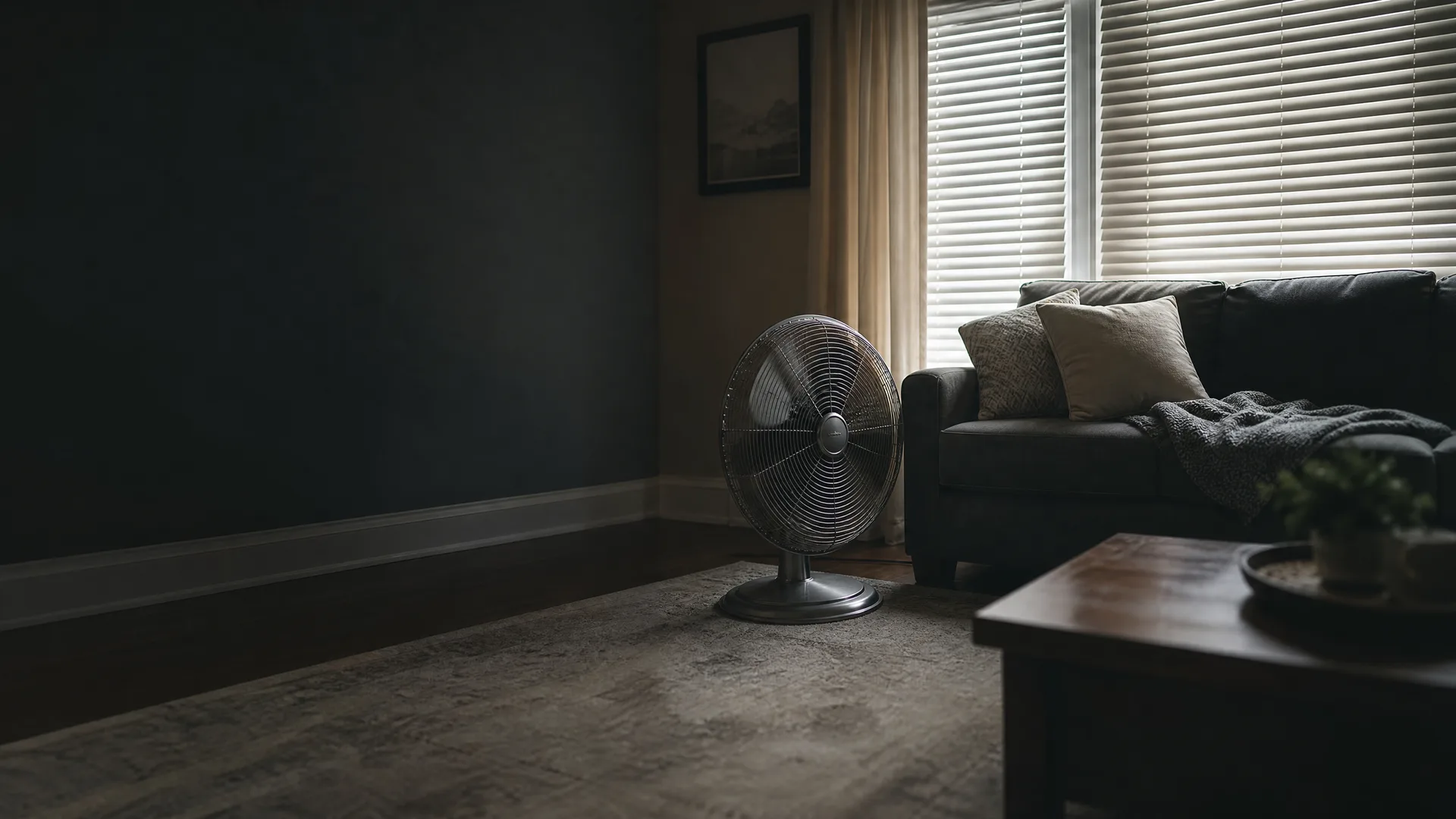
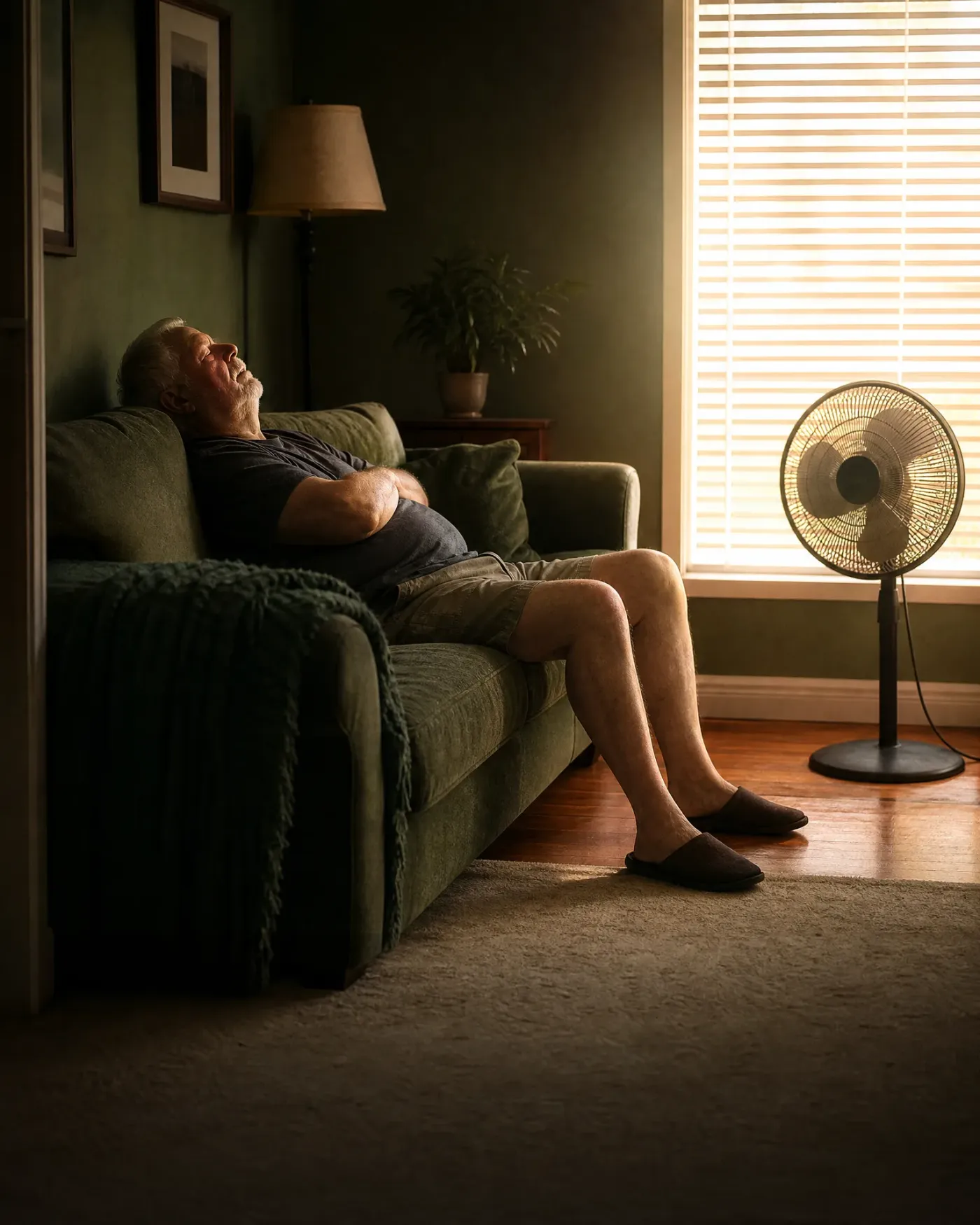
By two in the afternoon the blinds are already drawn against the sun, but the living room is still warm enough that you've pulled the floor fan over next to the couch. It pushes the same warm air around instead of cooling anything. You've checked the thermostat twice now, like it might read different the second time. Outside, the heat sits heavy the way it does every July in South Carolina, and the house is just holding onto it with nowhere for it to go. The fan hums along. Somewhere past the window a cicada is going. You sit close enough to it to feel the air move, waiting to hear the outdoor unit kick on, and it doesn't.
Power costs 15.12 cents per kilowatt-hour statewide
At 15.12 cents per kilowatt-hour, running your AC in South Carolina costs about what it does for most people in the state, nothing unusual either way. That matters here because once a repair is made, the bill shouldn't be the thing that surprises you. A unit that short cycles or runs constantly trying to cool a warm house will cost more to run than one that starts and stops the way it should.
EIA-861 2025 statewide residential average
Where this leaves you
- A dead AC with no hum and no click is almost always the breaker, the disconnect, or a failed part, not something you have to guess at forever.
- A contractor licensed in South Carolina who works on AC systems all summer already knows which of those three shows up most in this heat.
- You explain the problem once, to the one contractor who's coming, instead of repeating it to several companies while you compare quotes.
- Checking the breaker and the outdoor disconnect yourself costs you nothing and rules out the two simplest causes before anyone drives out.
- If the unit still won't start once those are confirmed on, the failure is inside the system and needs someone qualified to open it up.
A dead AC always comes down to one of three things: the breaker, the disconnect, or a part that's failed inside the system. You can check the first two yourself in a couple of minutes. If the unit still won't start once those are confirmed on, it's past the point of a homeowner fix, and it's time for someone who does this for a living to open the unit up and find out what quit.
That's where a licensed South Carolina contractor earns the call. Someone who works on AC systems all summer here has already seen most of what causes a no-start in this heat and humidity, often more than once in a season. You describe the symptoms once, to the one person who's actually coming out, and they're walking in with a short list of likely causes instead of starting from zero.
That matters more than it sounds like. You're not fielding calls from three or four companies, repeating the same description each time, trying to figure out who actually knows what they're talking about. One contractor, local, licensed to work on these systems in this state, comes to look at your unit specifically. The breaker and the disconnect take care of themselves if that's all it is. If it's not, you've already done the part you could do, and the rest is in the hands of someone qualified to finish it.
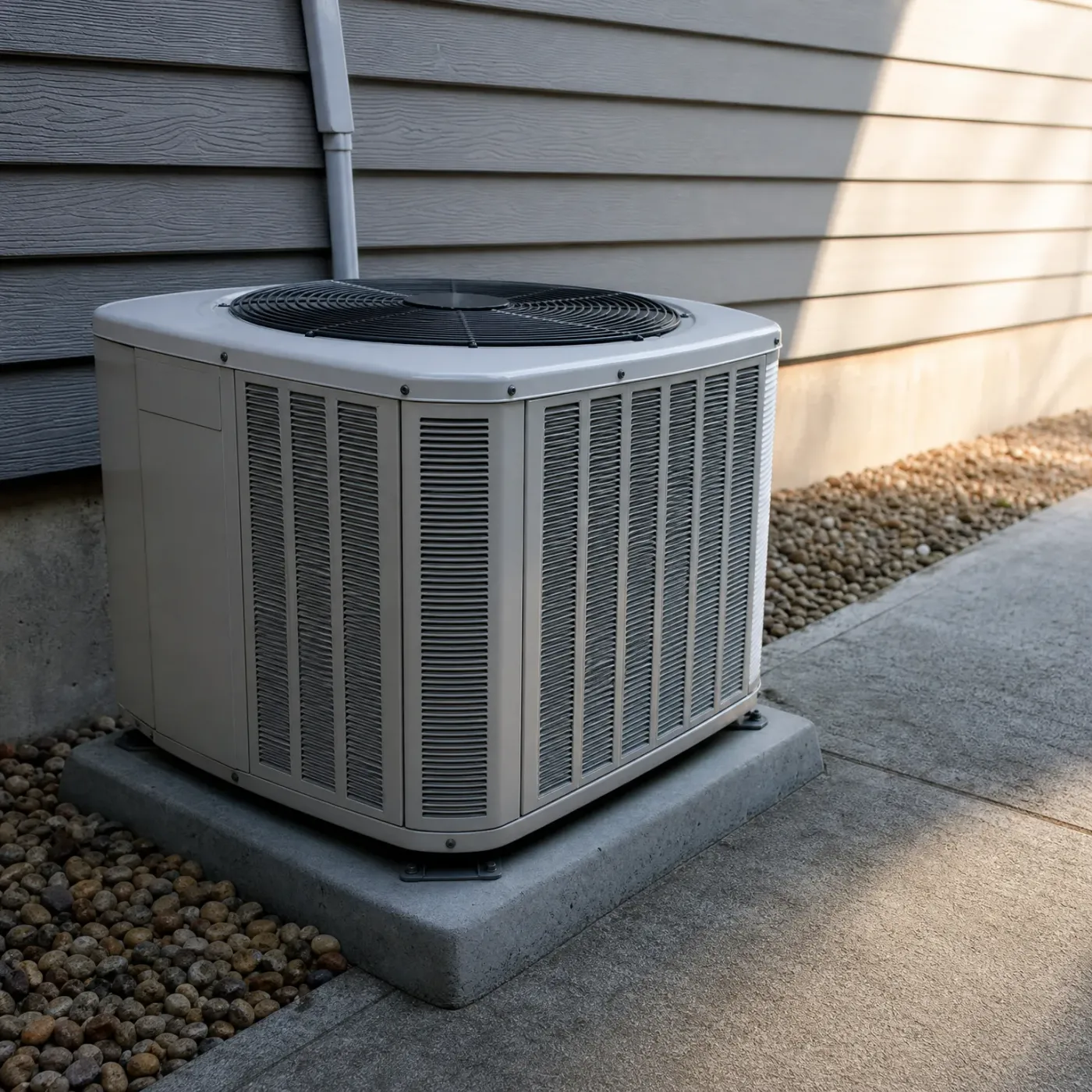
No phone calls to make
The pro who reaches out is licensed in South Carolina.
There's no charge for the request.